4th Grade Oklahoma Math Worksheets
Oklahoma's 4th grade standards extend place value to a million, build fluency with facts to 12, and move on to multi-digit multiplication and division with multi-step problems. Students compare fractions, add and subtract like denominators, and connect tenths and hundredths to decimals, while also measuring angles, converting units, finding elapsed time, and organizing data in tables and line plots. Every worksheet below is free, prints as a PDF with an answer key, and can be assigned online.
By Standard
Oklahoma
Numbers & Operations (N)
Geometry & Measurement (GM)
By Topic
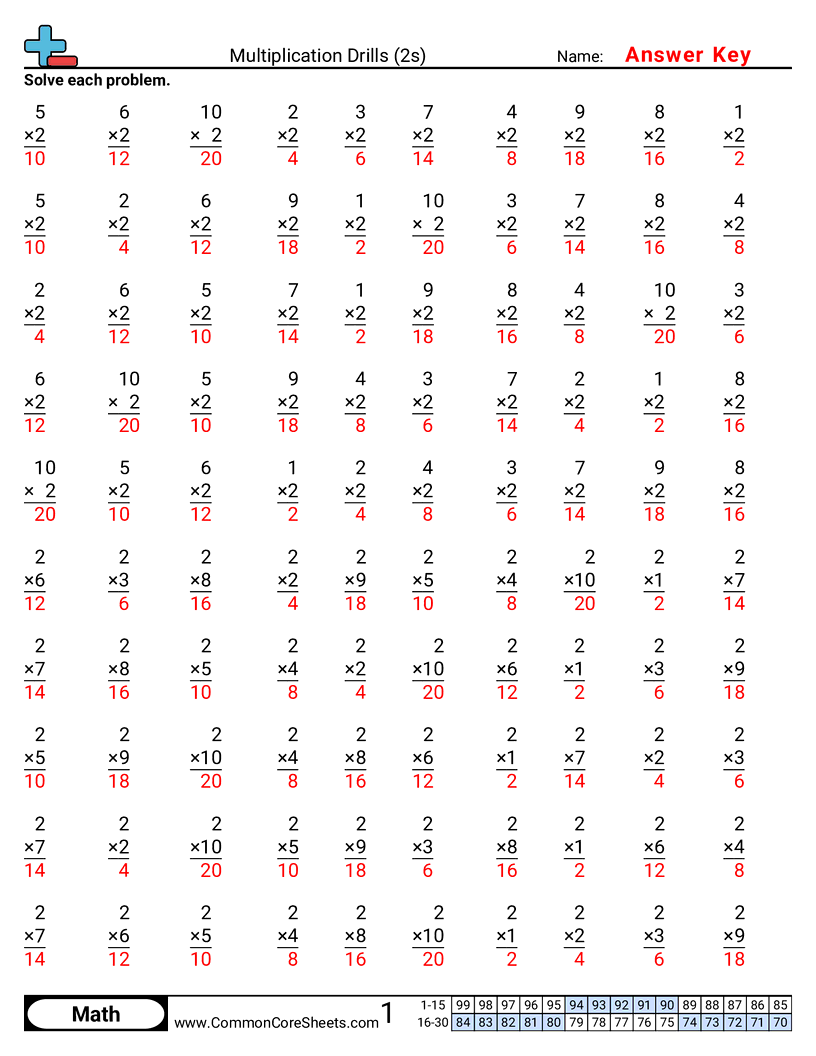
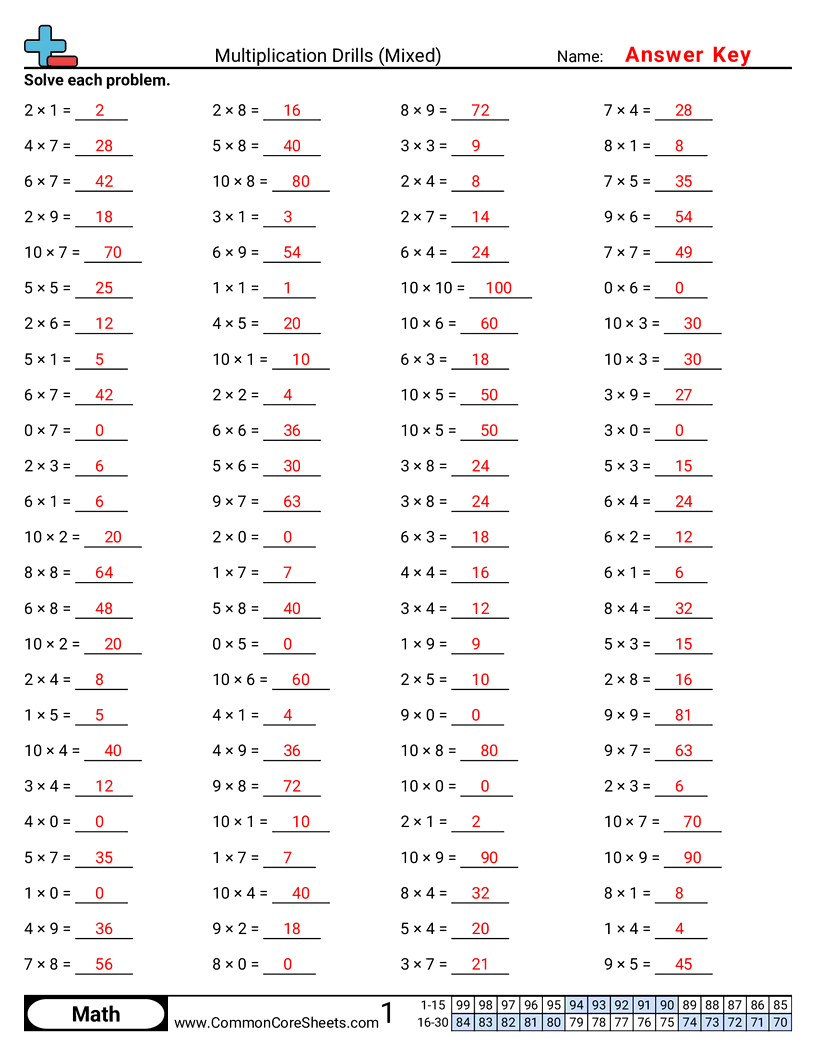
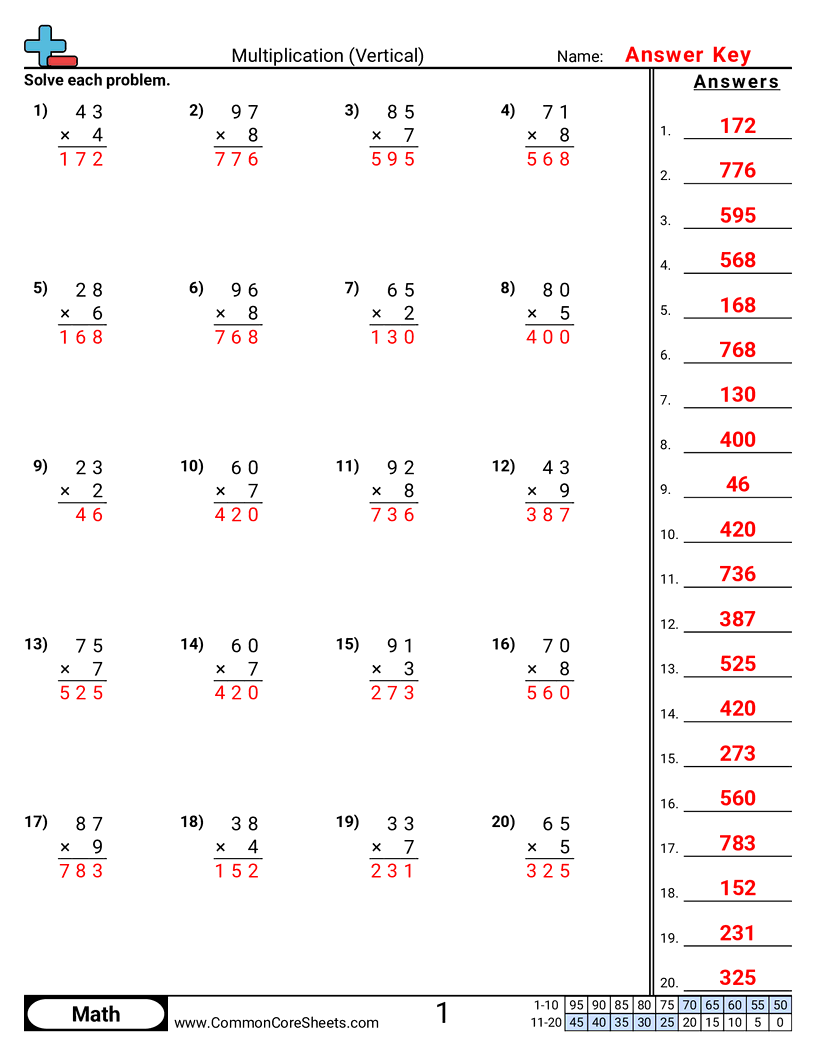
Multiplication & Division Facts
Fact drills and mixed practice for multiplying and dividing with factors up to 12.
+47+48 more worksheets →
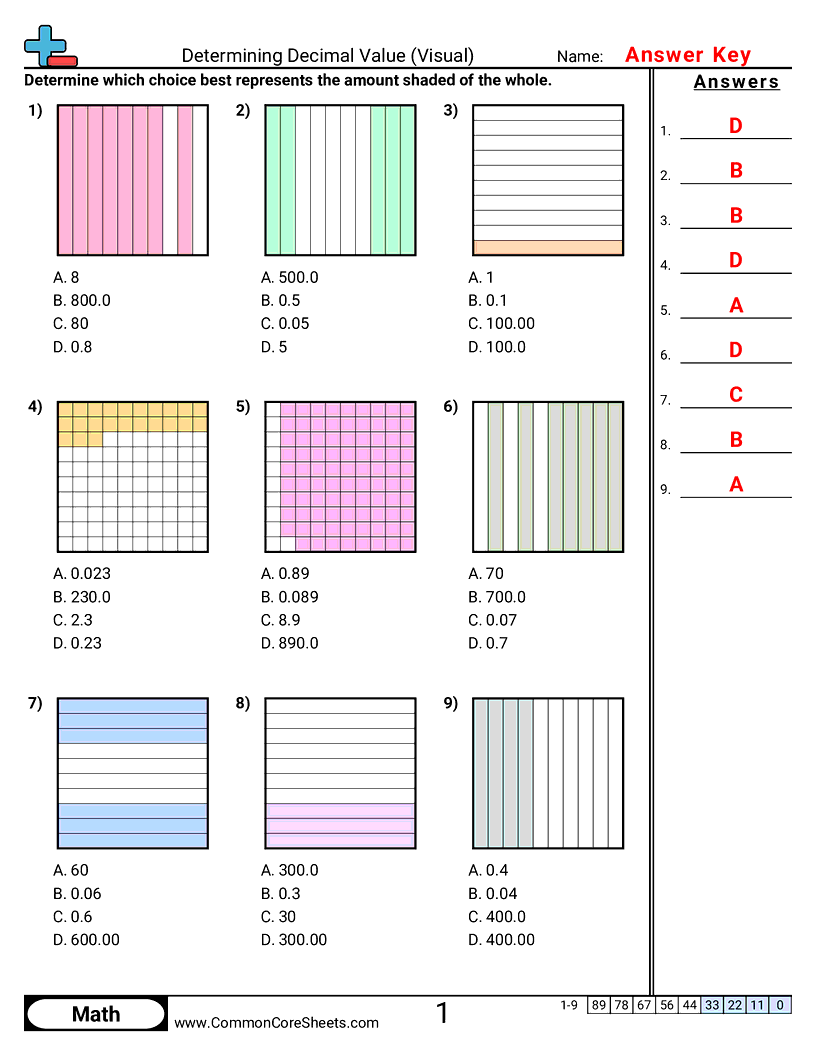
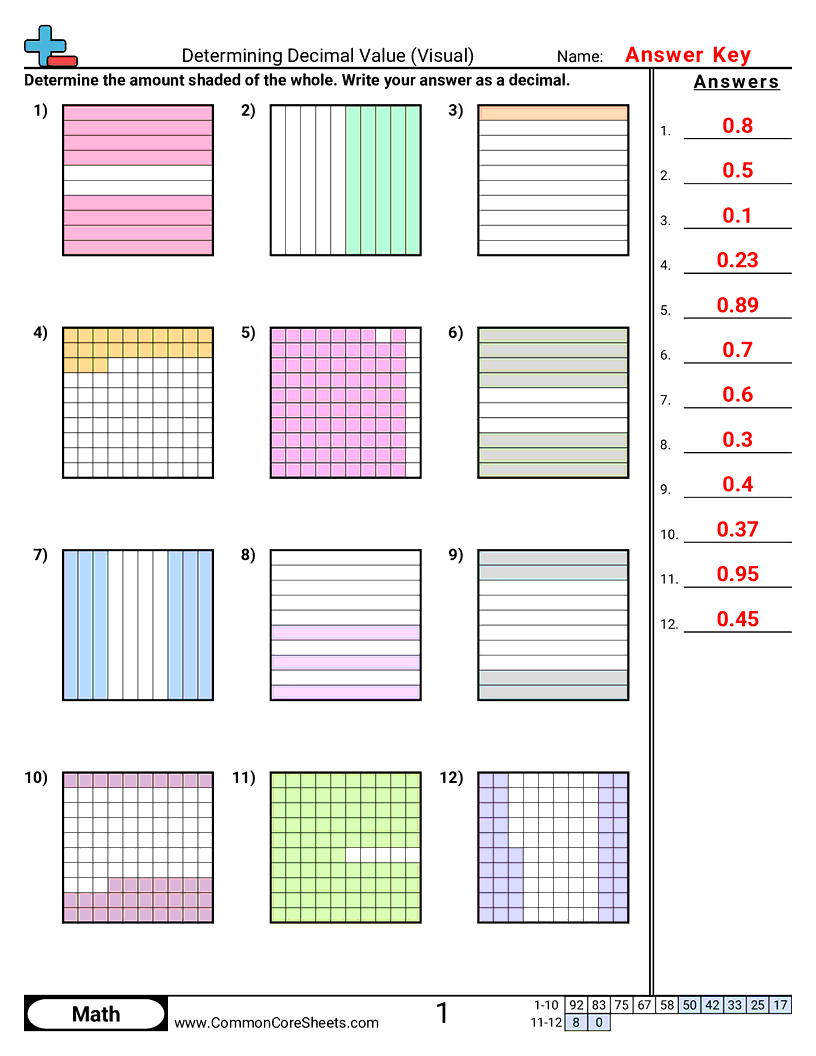
Decimals: Tenths & Hundredths
Convert tenths and hundredths between fractions and decimals, write them, and compare them.
+27+28 more worksheets →
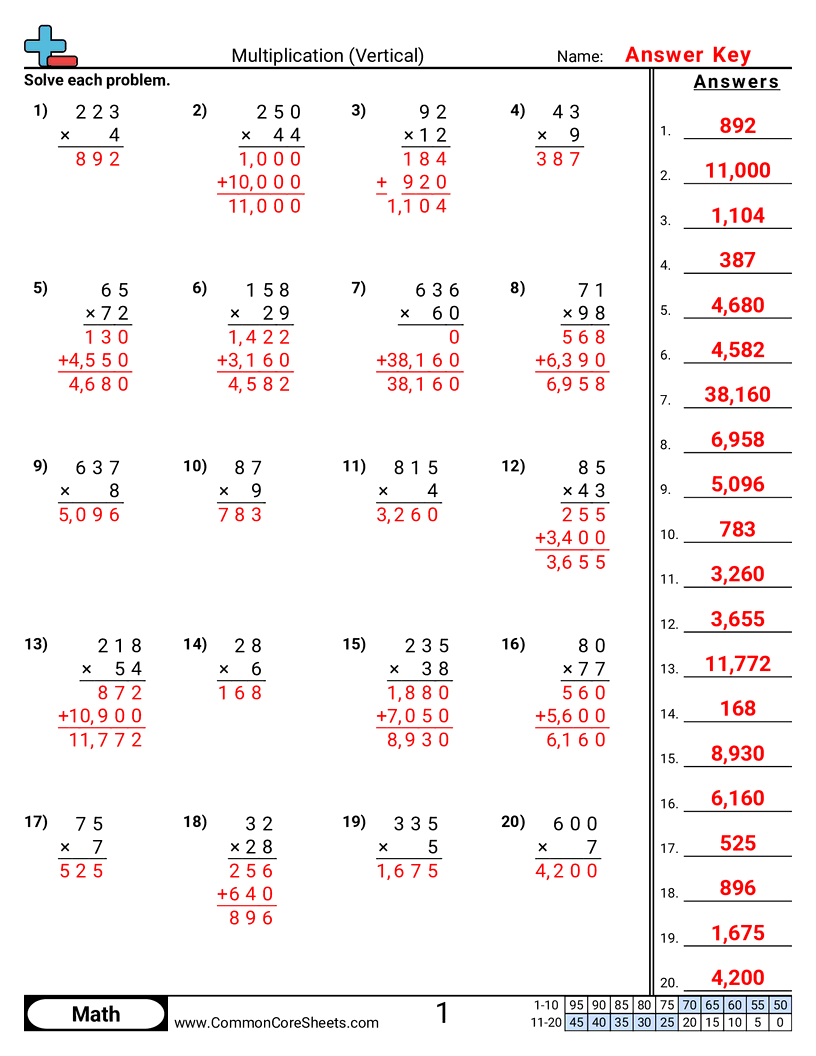
Multi-Digit Multiplication
Multiply by 10, 100 and 1,000, then 3-digit × 1-digit and 2-digit × 2-digit, and estimate.
+13+14 more worksheets →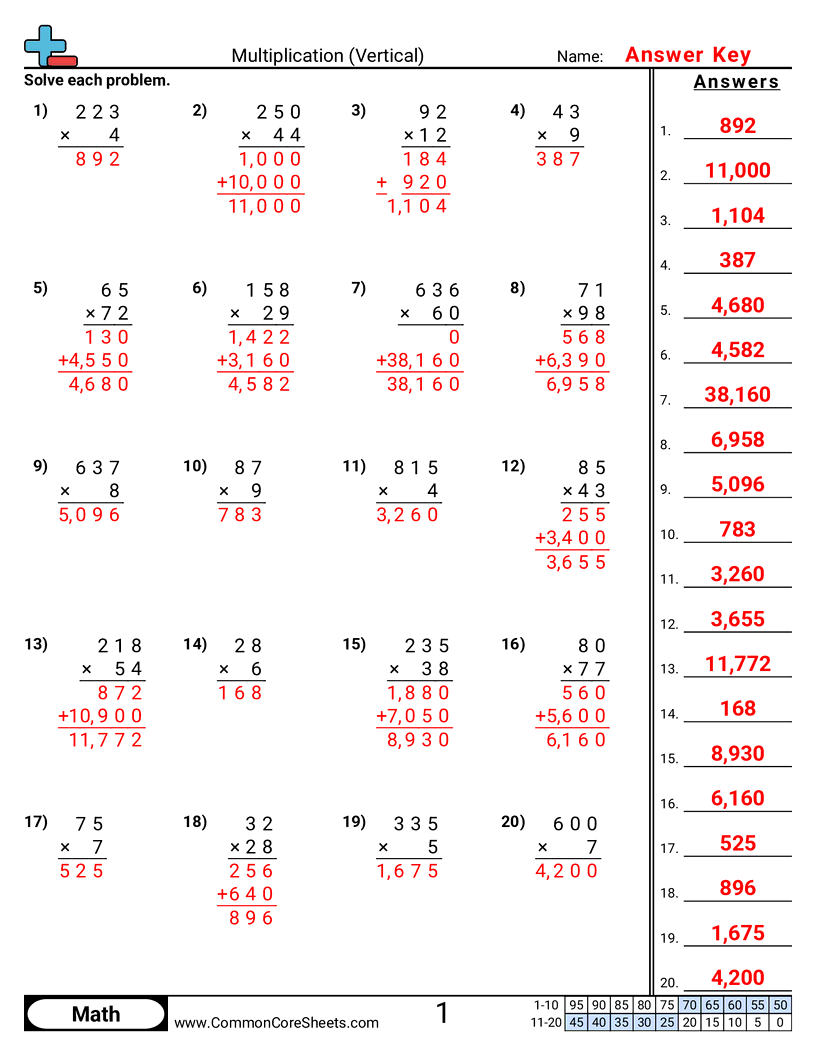
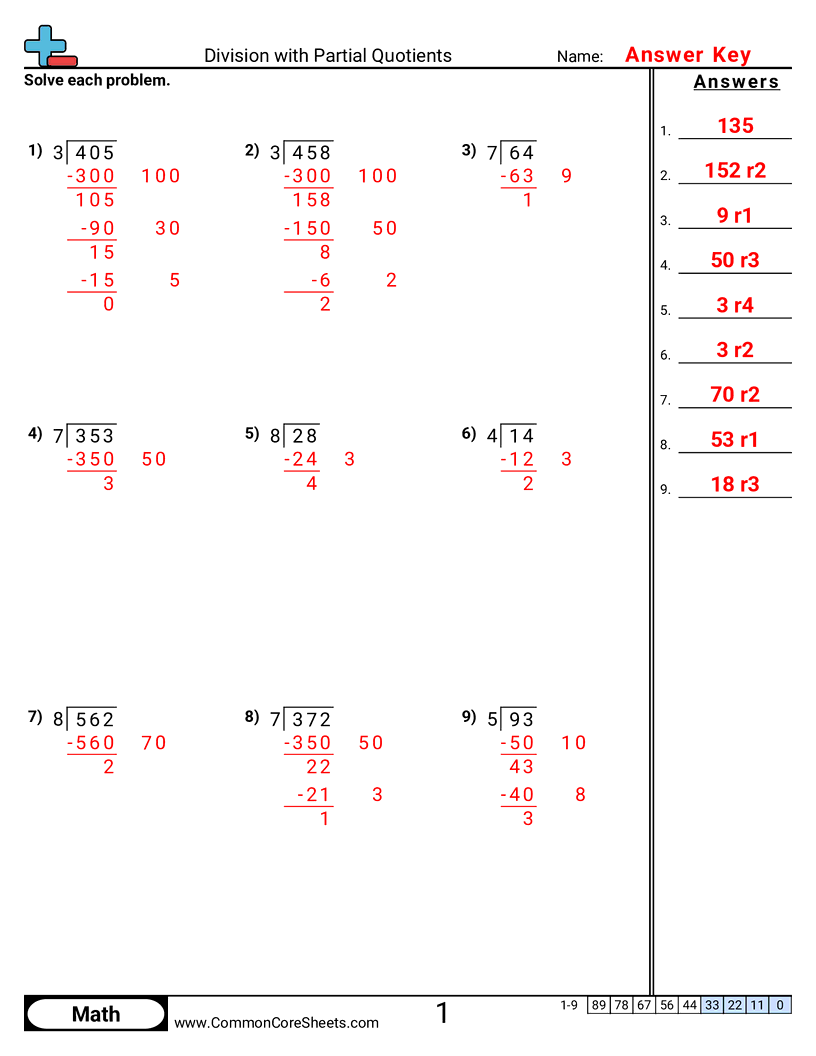
Long Division
Divide with partial quotients and the standard algorithm, with and without remainders.
+11+12 more worksheets →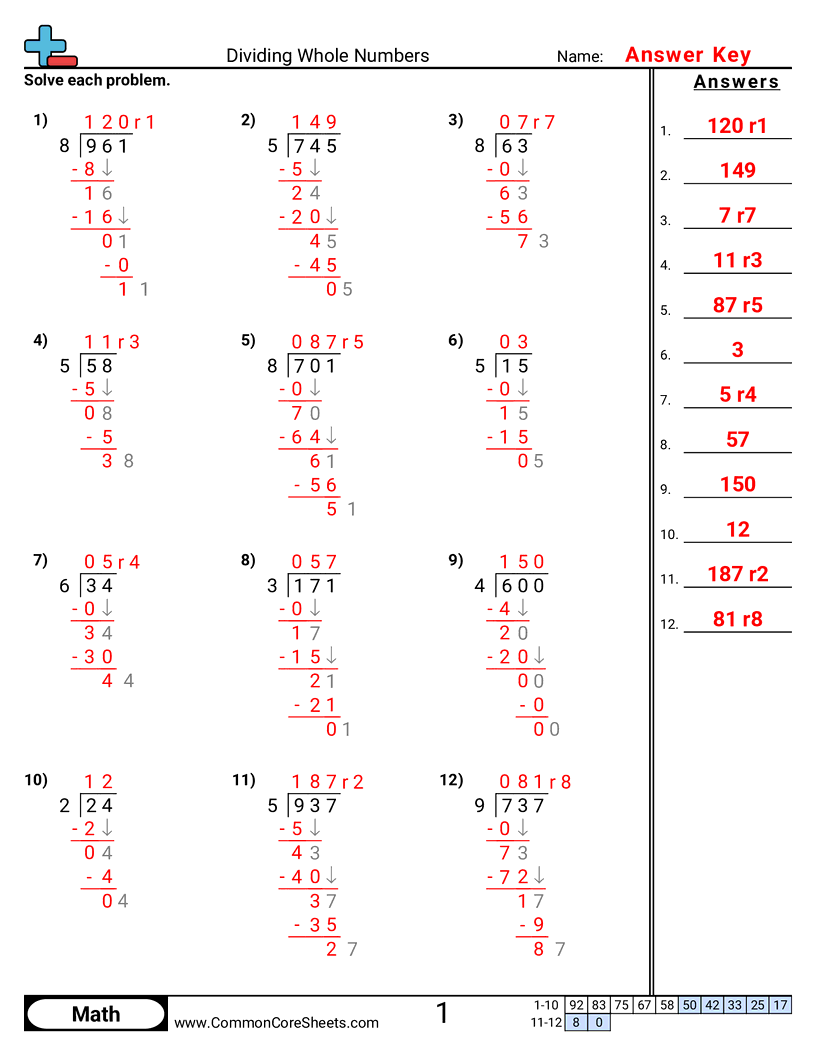

Multi-Step Word Problems
Solve two-step word problems using addition, subtraction, multiplication and division.
+10+11 more worksheets →


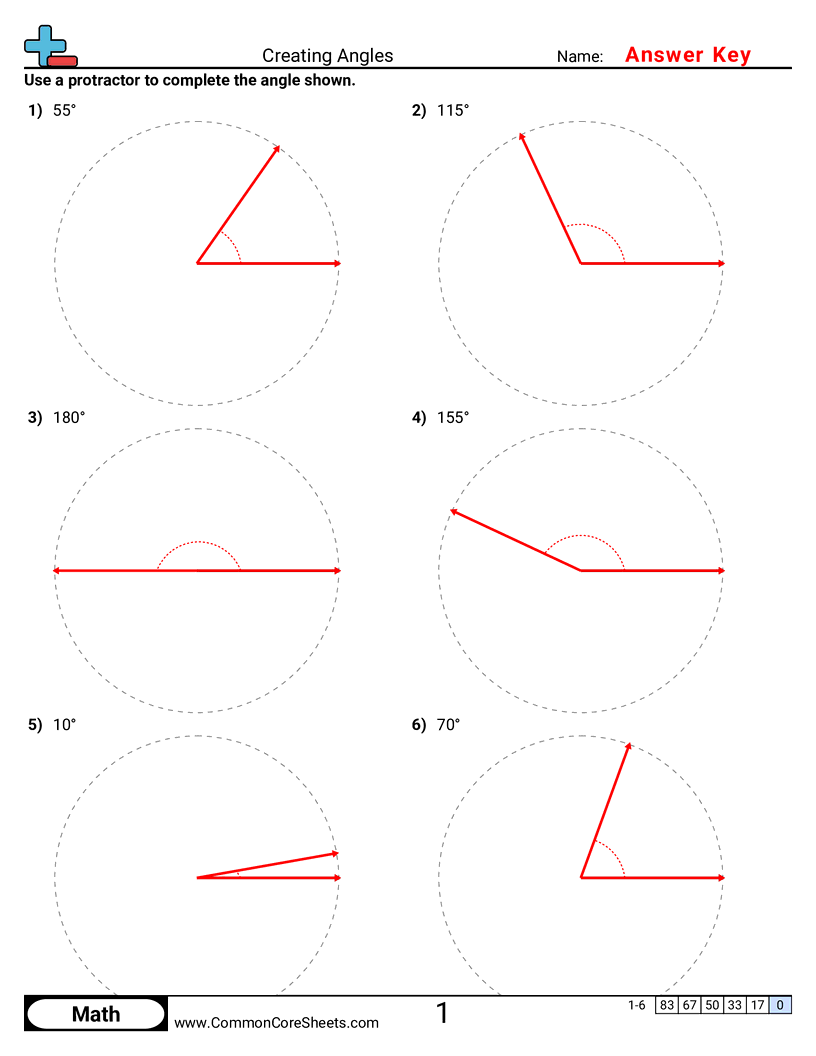
Measuring Angles
Measure and draw angles with a protractor.
+2+3 more worksheets →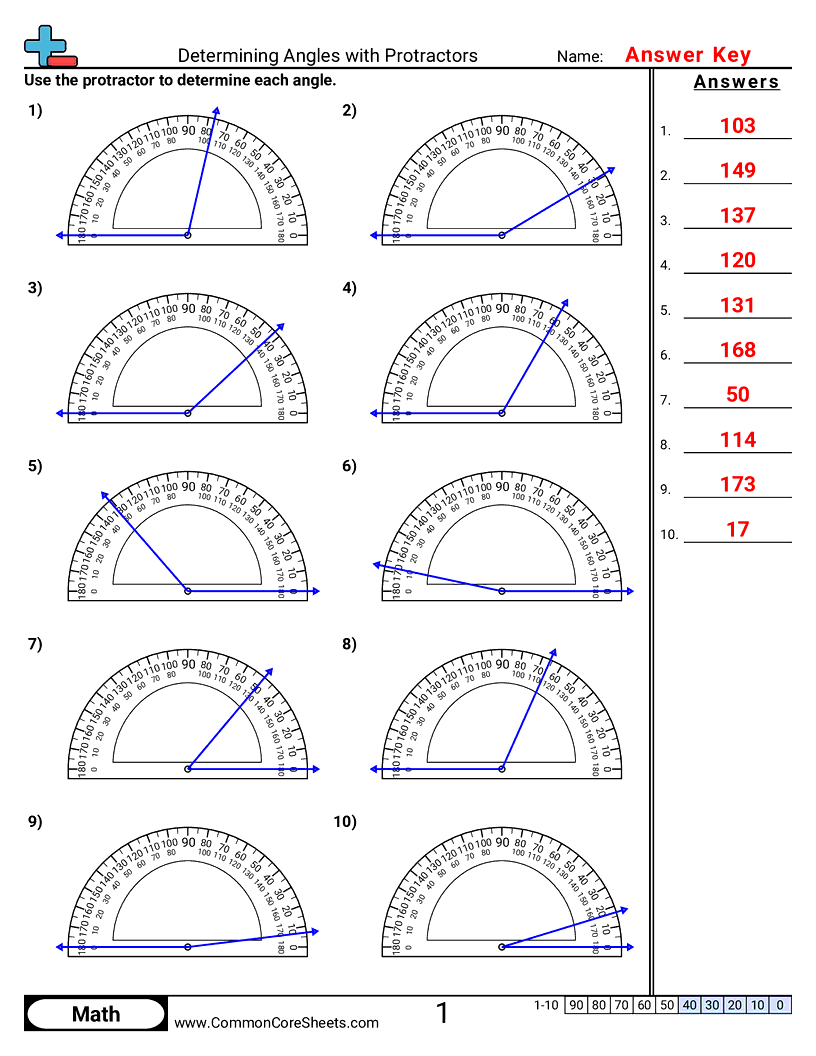

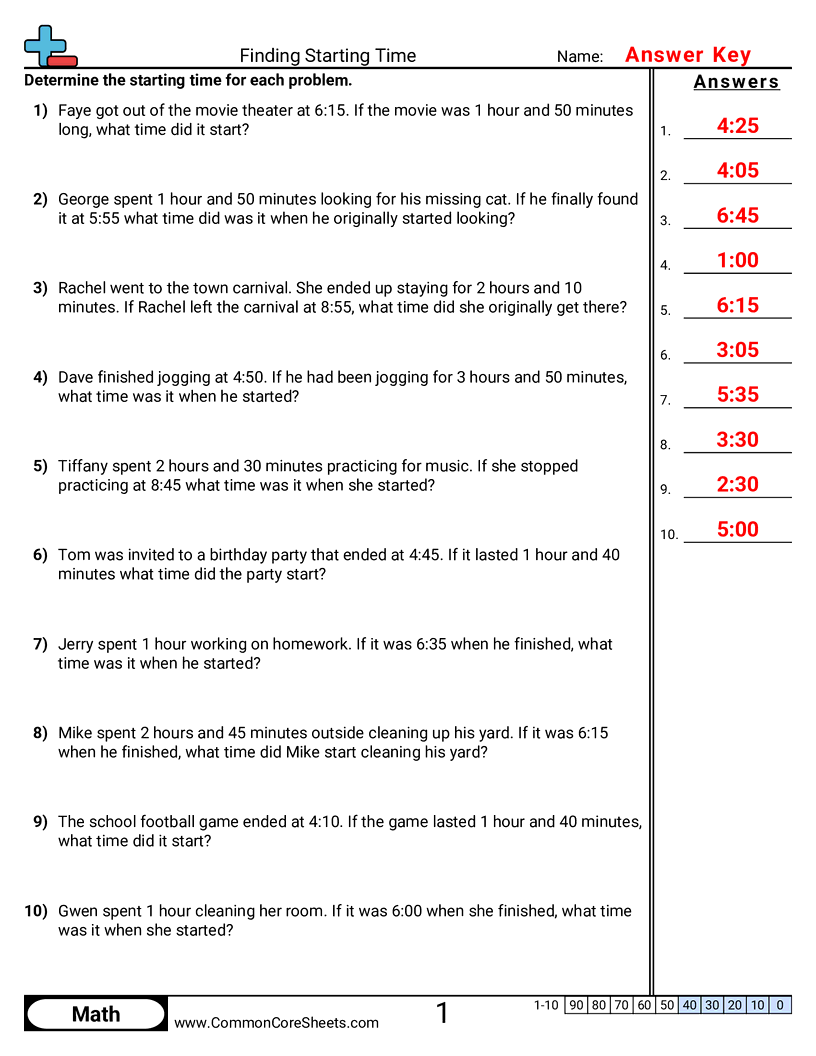
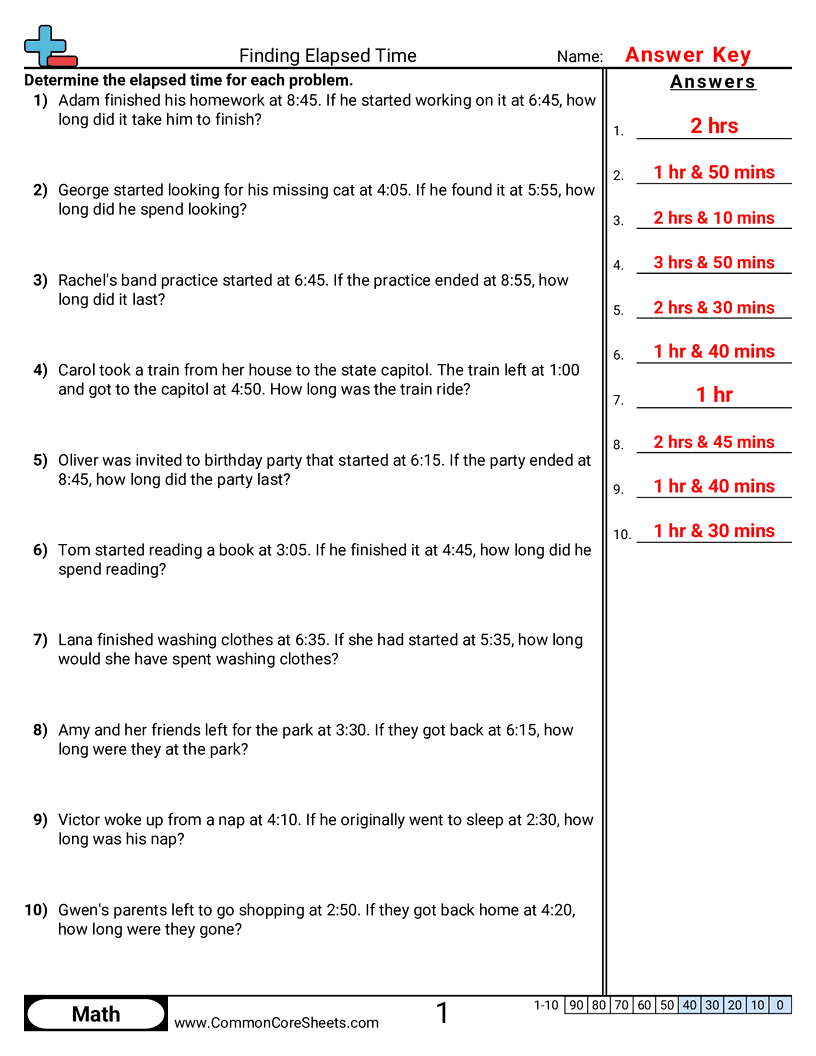
Elapsed Time
Read clocks to the minute, find elapsed time, and convert units of time.
+21+22 more worksheets →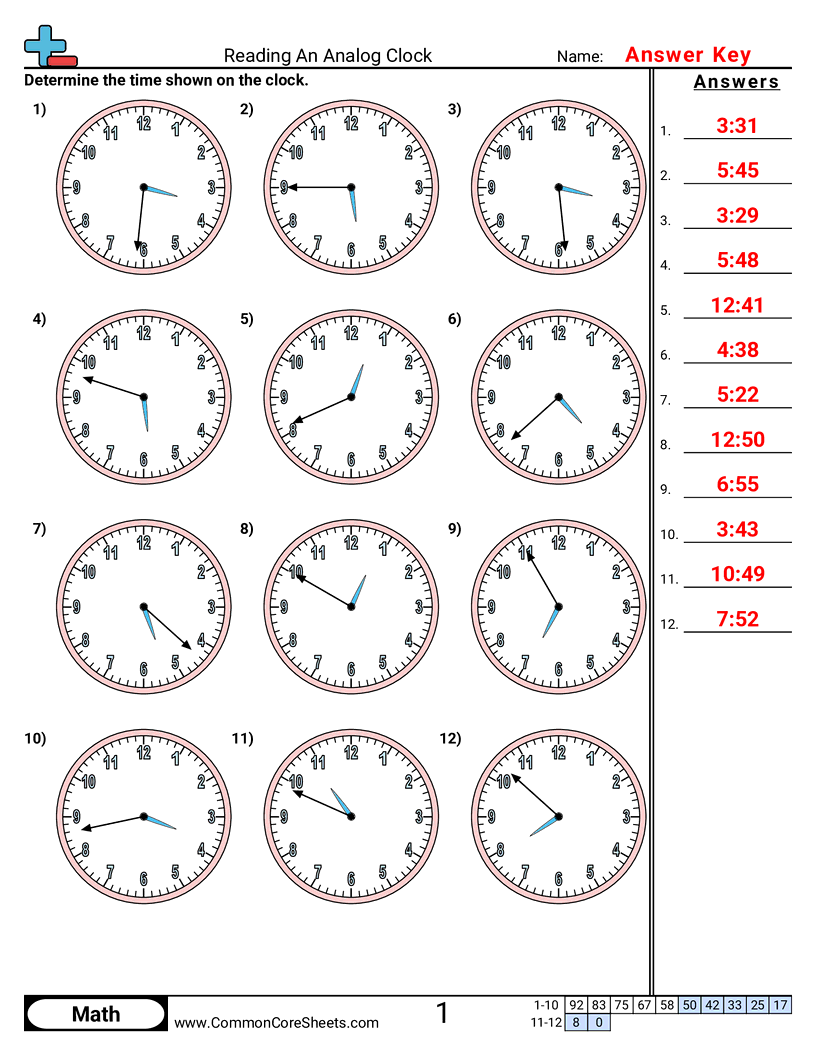
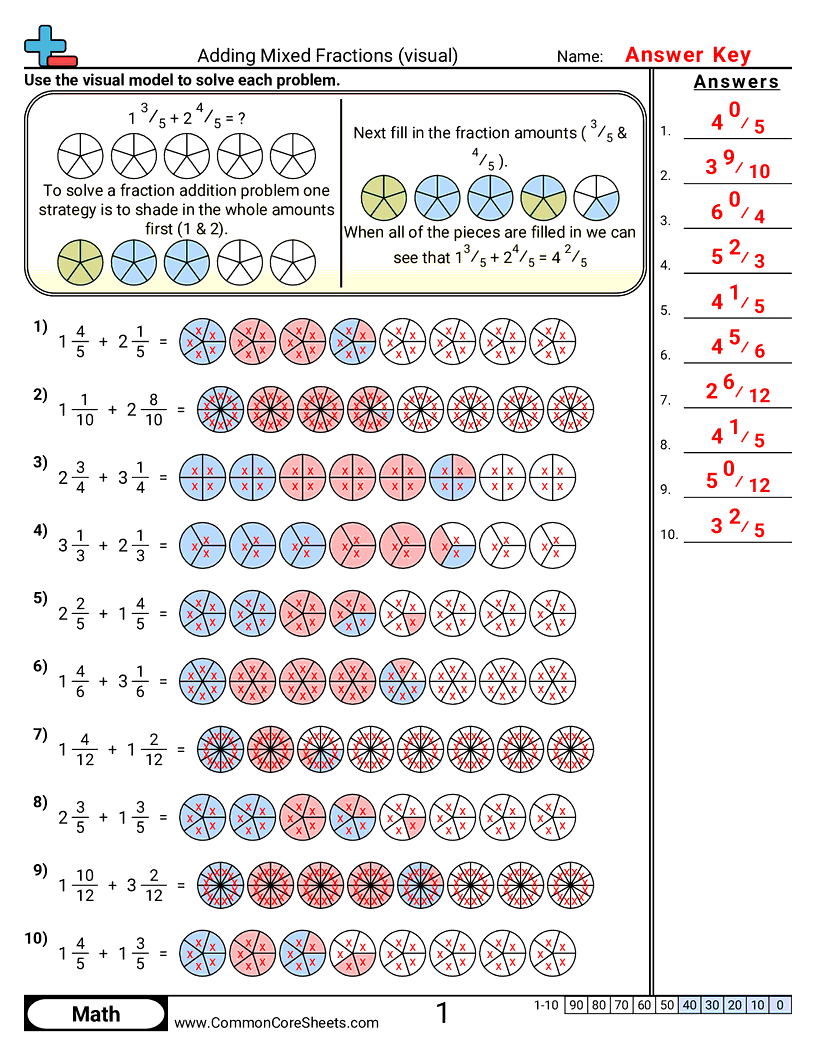
Adding & Subtracting Fractions
Add and subtract fractions and mixed numbers with like denominators using models.
+3+4 more worksheets →

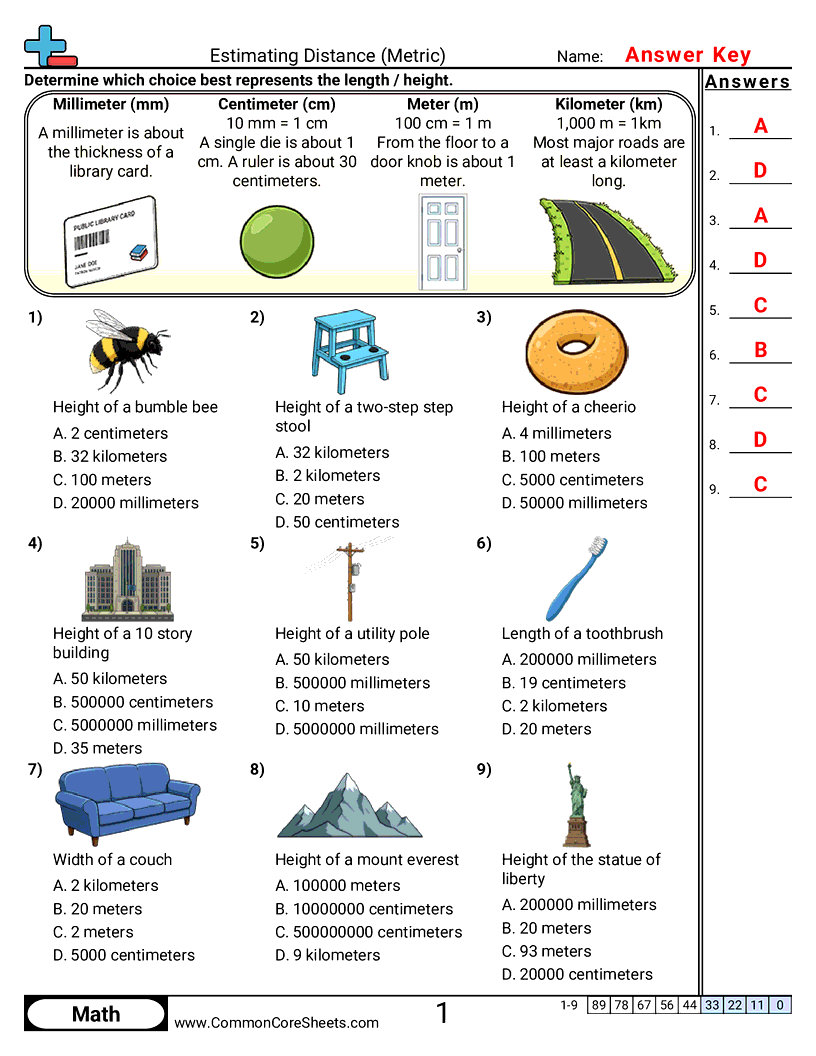
Measurement & Conversions
Measure with rulers, convert customary and metric lengths, and choose sensible units.
+14+15 more worksheets →

Lines, Angles & Polygons
Identify rays, segments and parallel lines, and classify quadrilaterals and polygons.
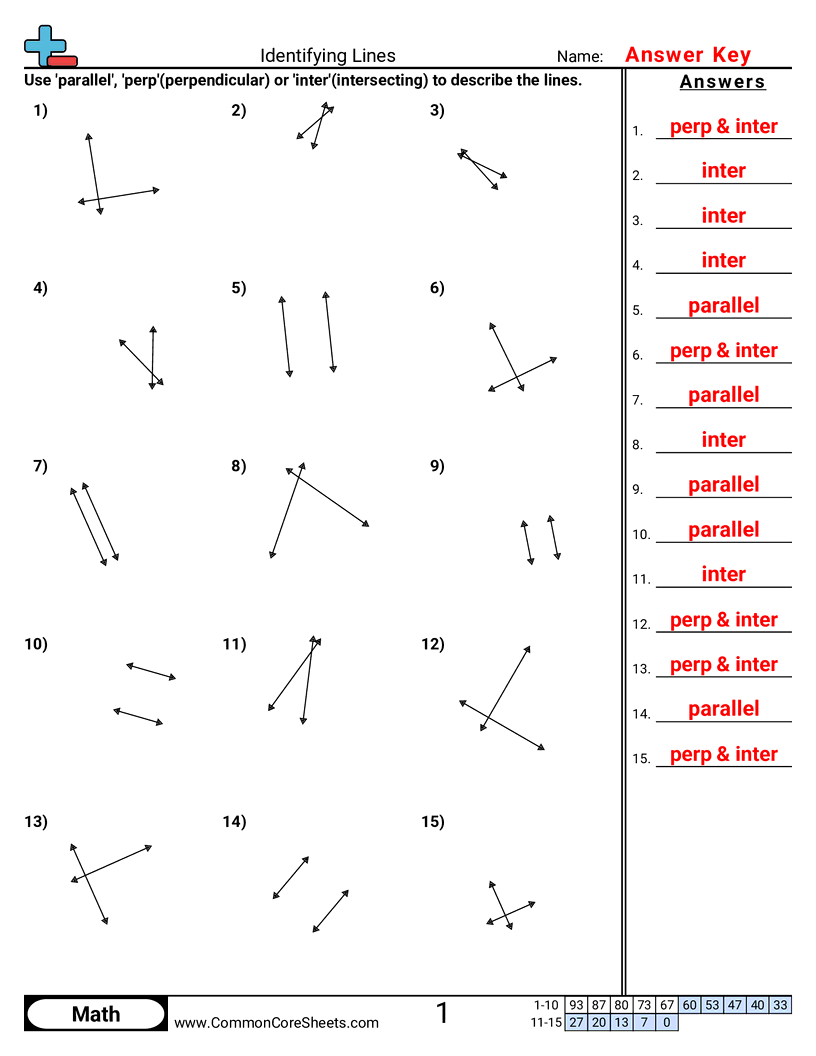 Perpendicular, Parallel & Intersecting
 Regular Shapes (3,4,5,6,7,8,9 & 10 sides)
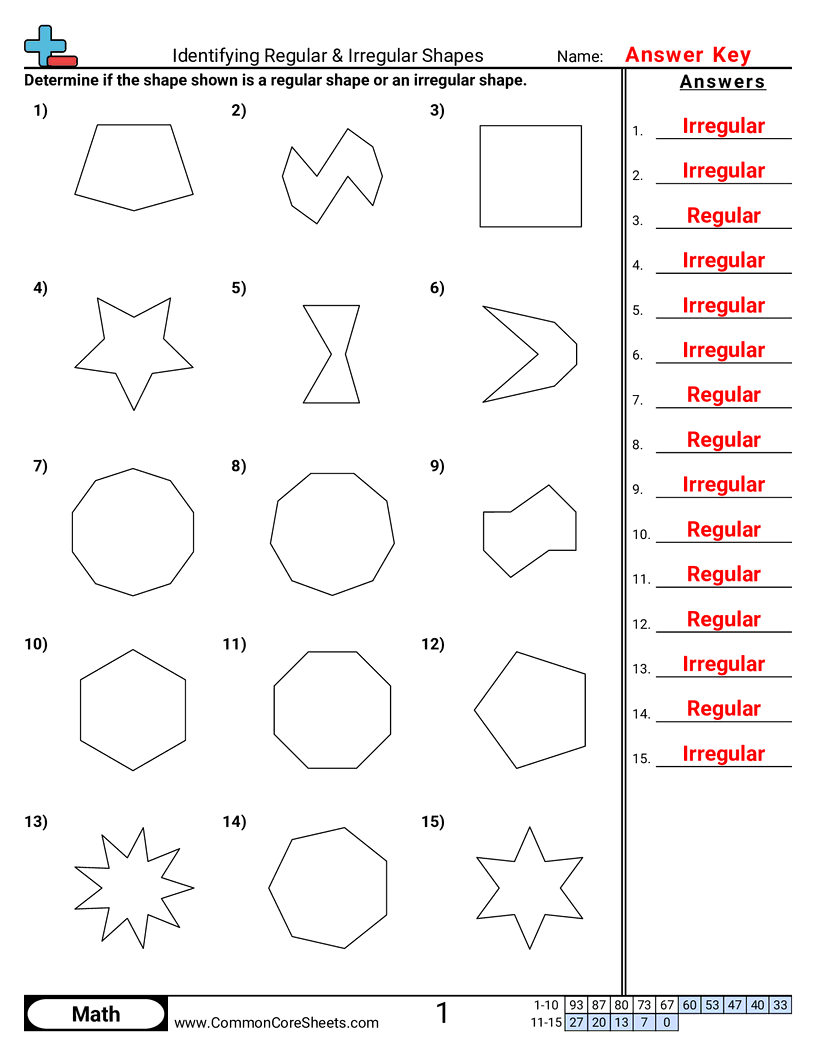 Identifying Regular and Irregular Polygons
Place Value to a Million
Read, write, compare and order whole numbers to 1,000,000, including expanded form.
+8+9 more worksheets →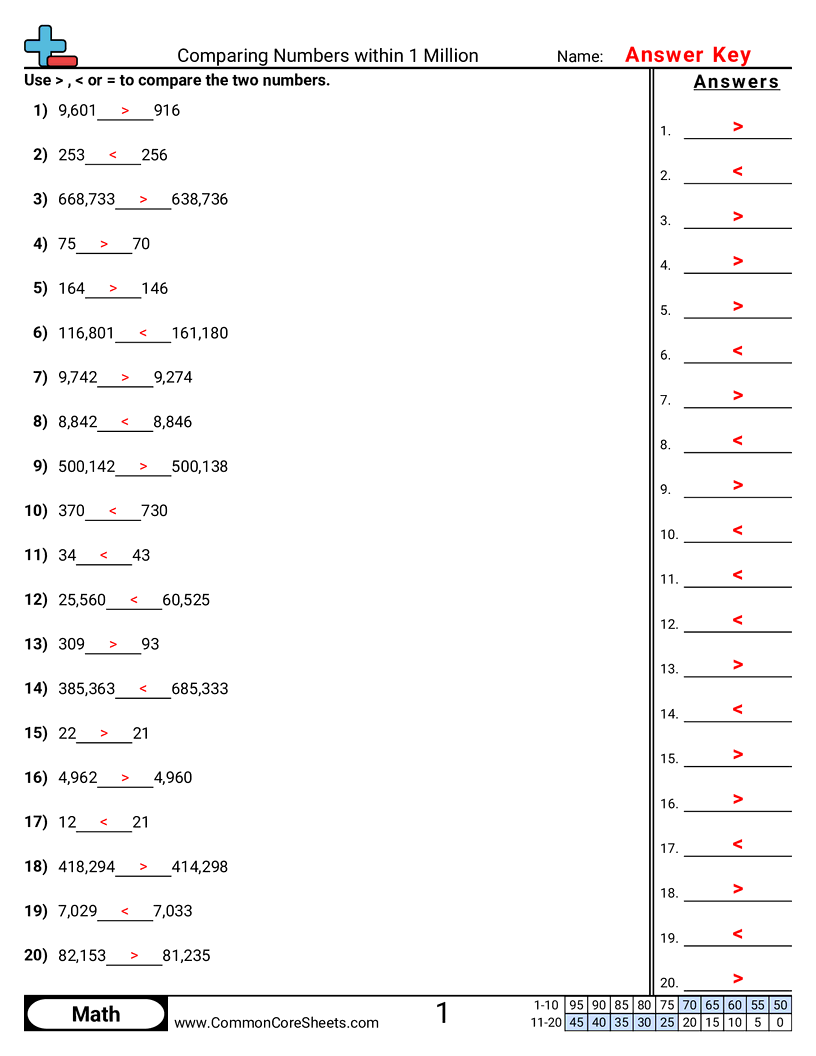


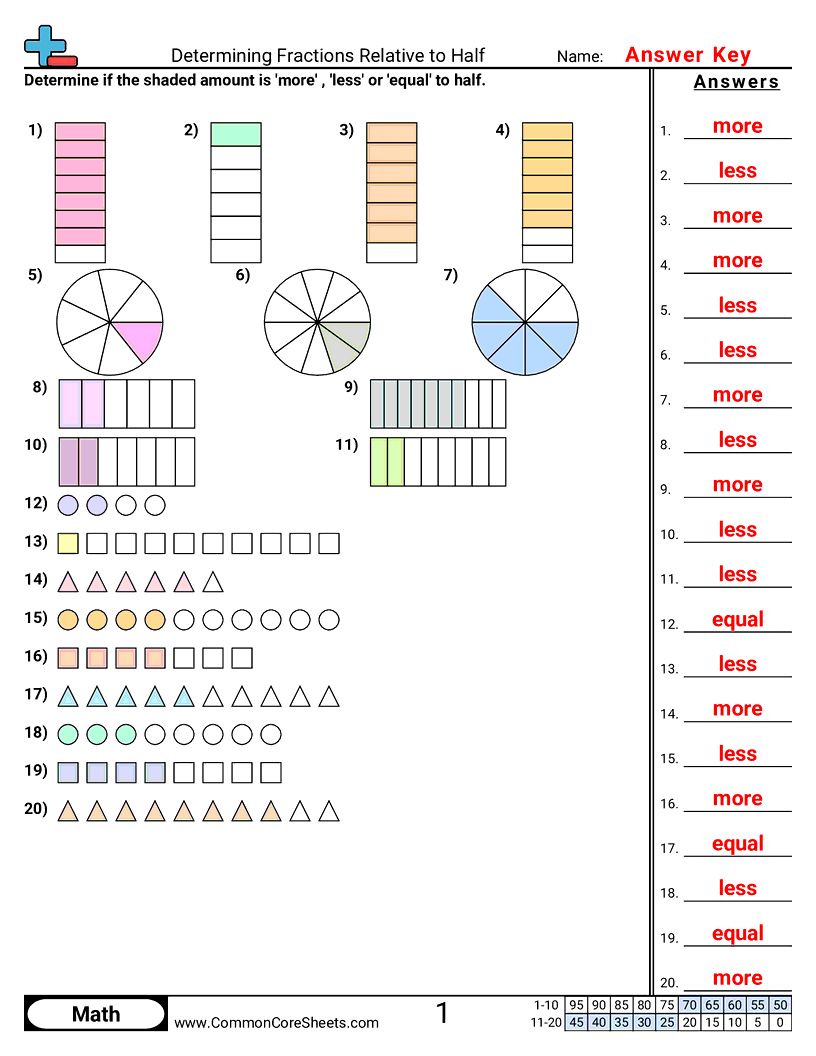
Comparing & Ordering Fractions
Compare fractions to benchmarks like 1/2 and place them on number lines.
+8+9 more worksheets →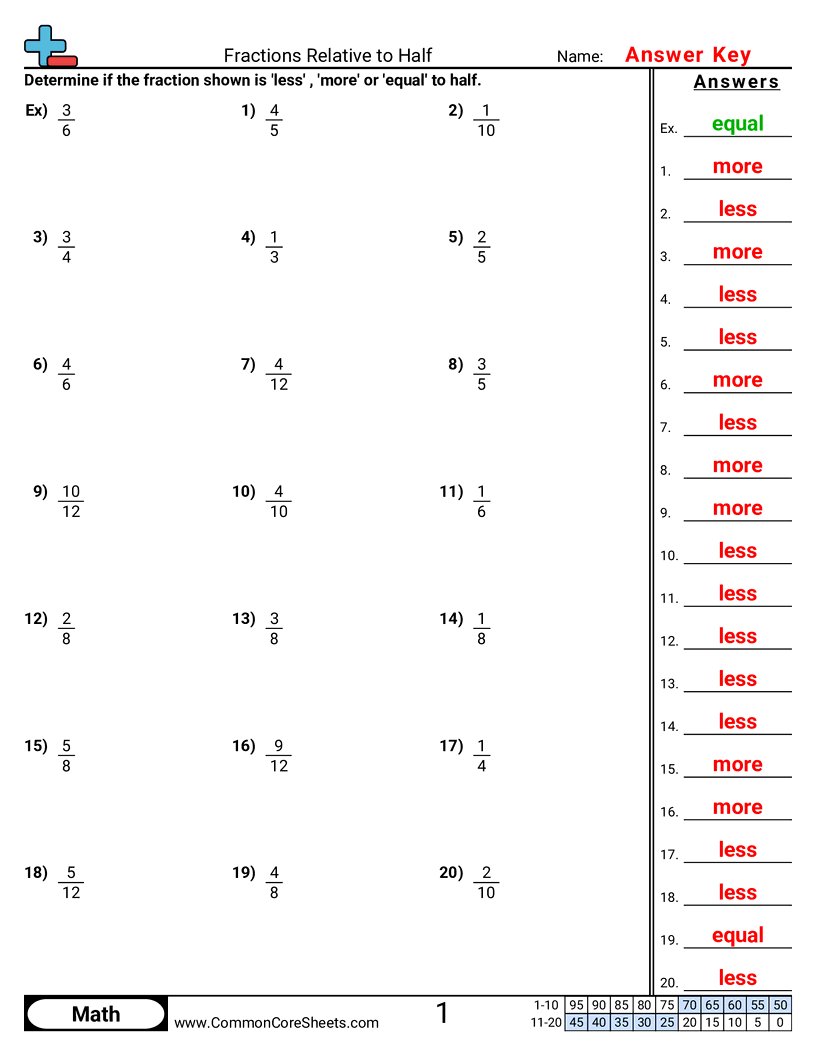

Money & Making Change
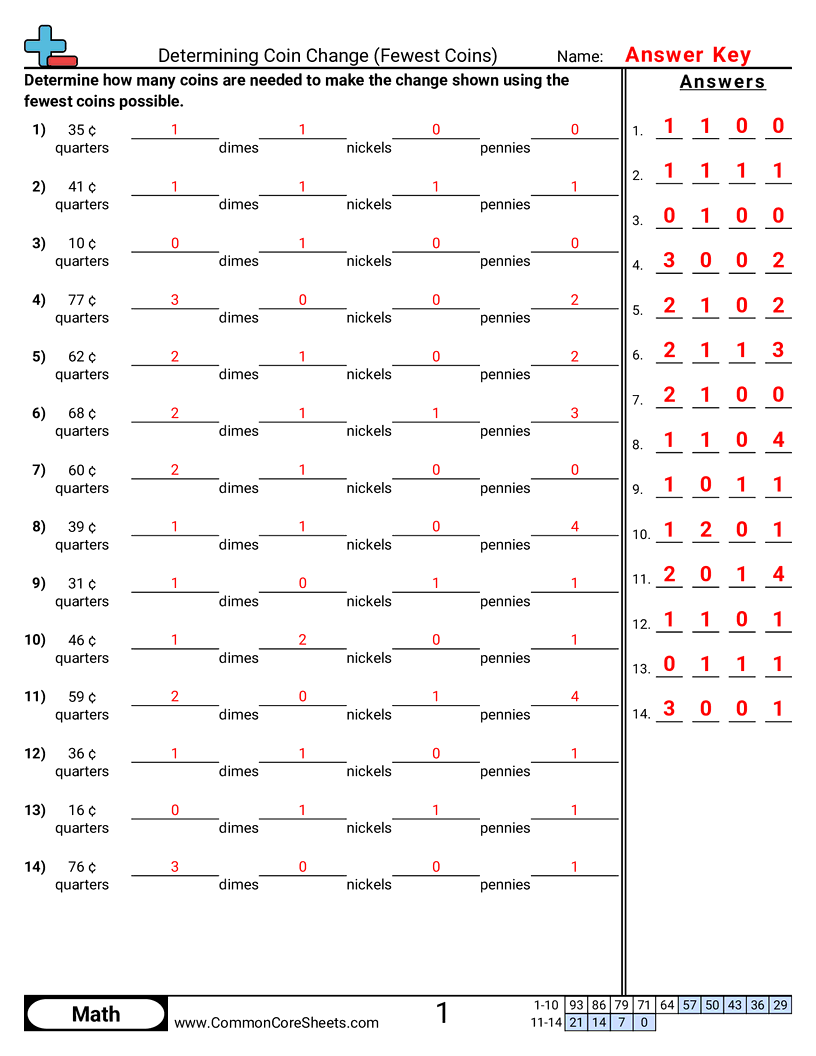
Use the fewest coins and find change from purchases up to twenty dollars.
+9+10 more worksheets →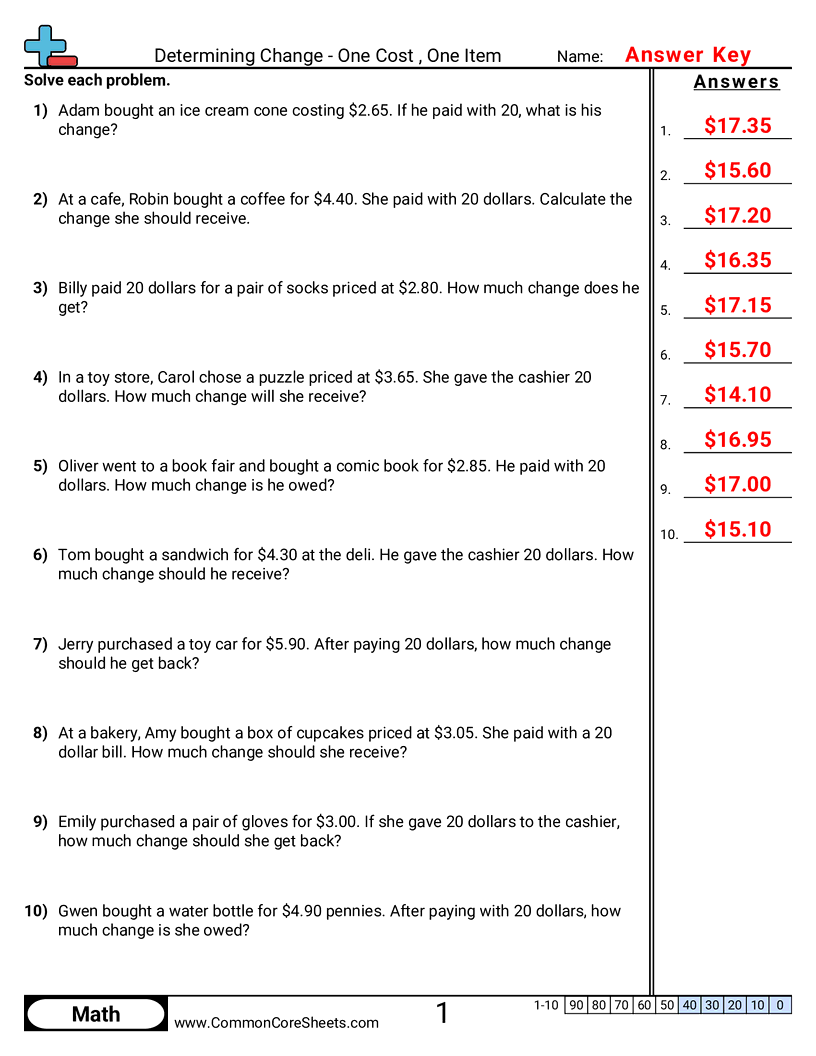

Patterns & Input/Output Tables
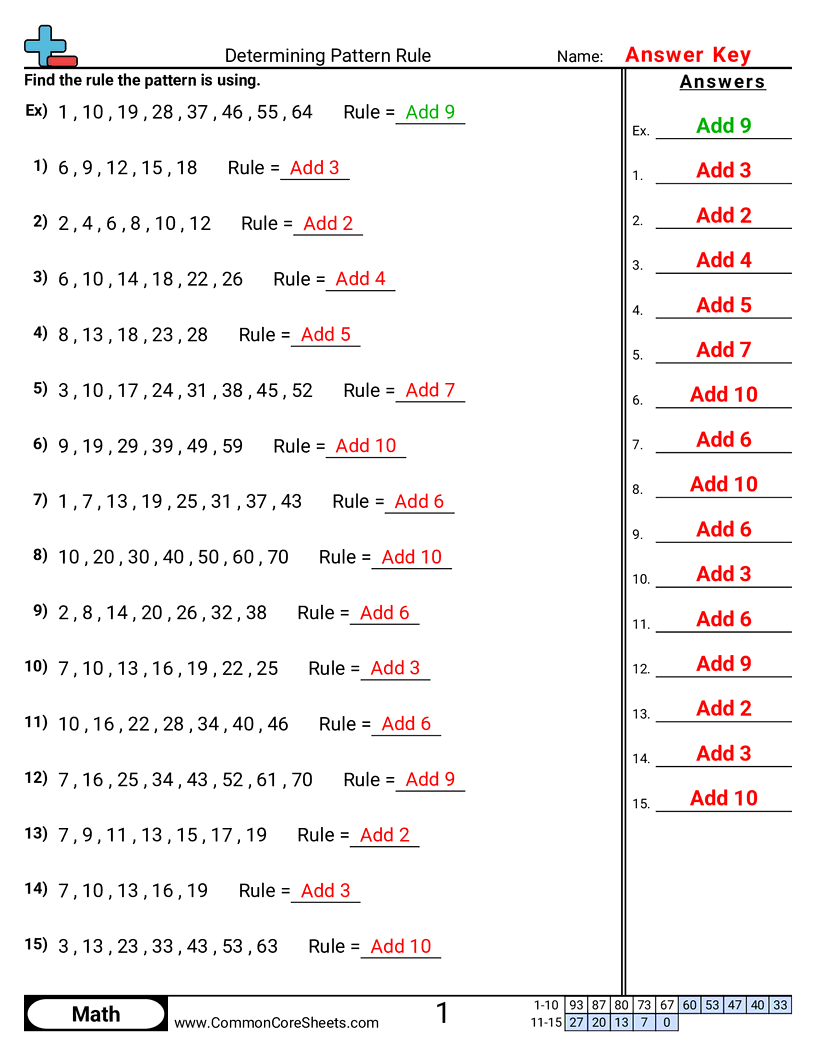
Extend patterns, complete function tables, and find single-operation rules.
+7+8 more worksheets →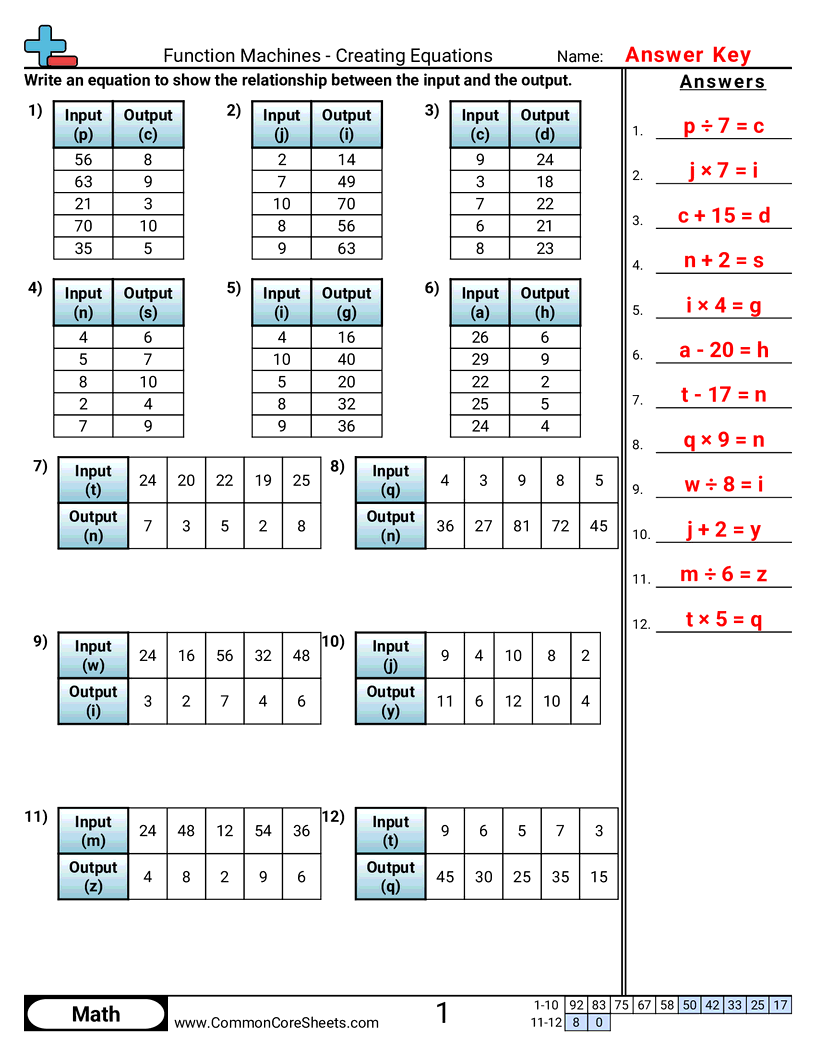

Data: Tables, Graphs & Line Plots
Build frequency tables, bar graphs, line plots and Venn diagrams and answer questions.
+14+15 more worksheets →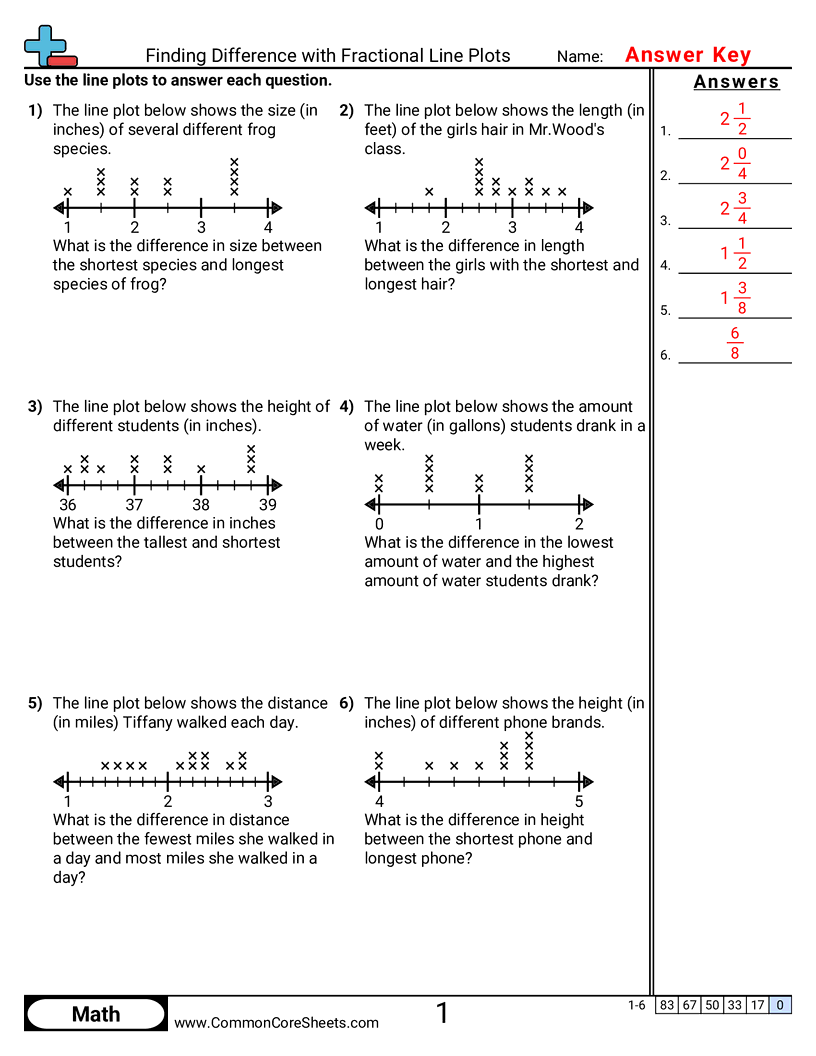
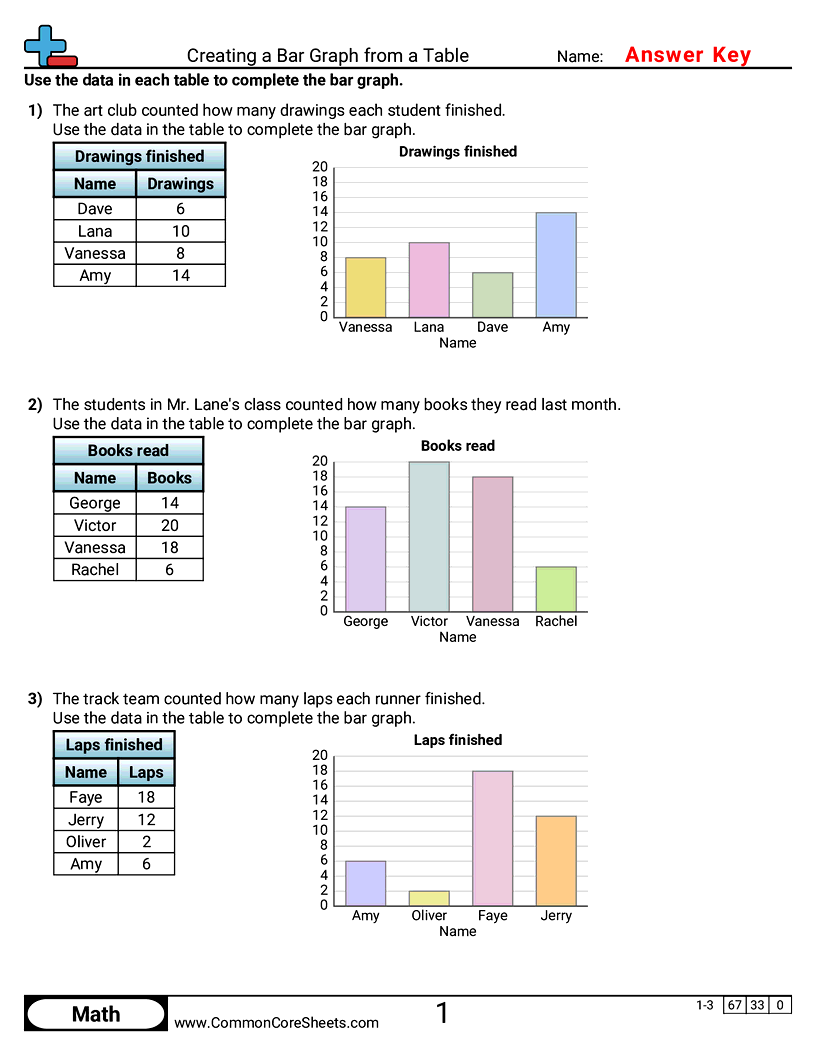
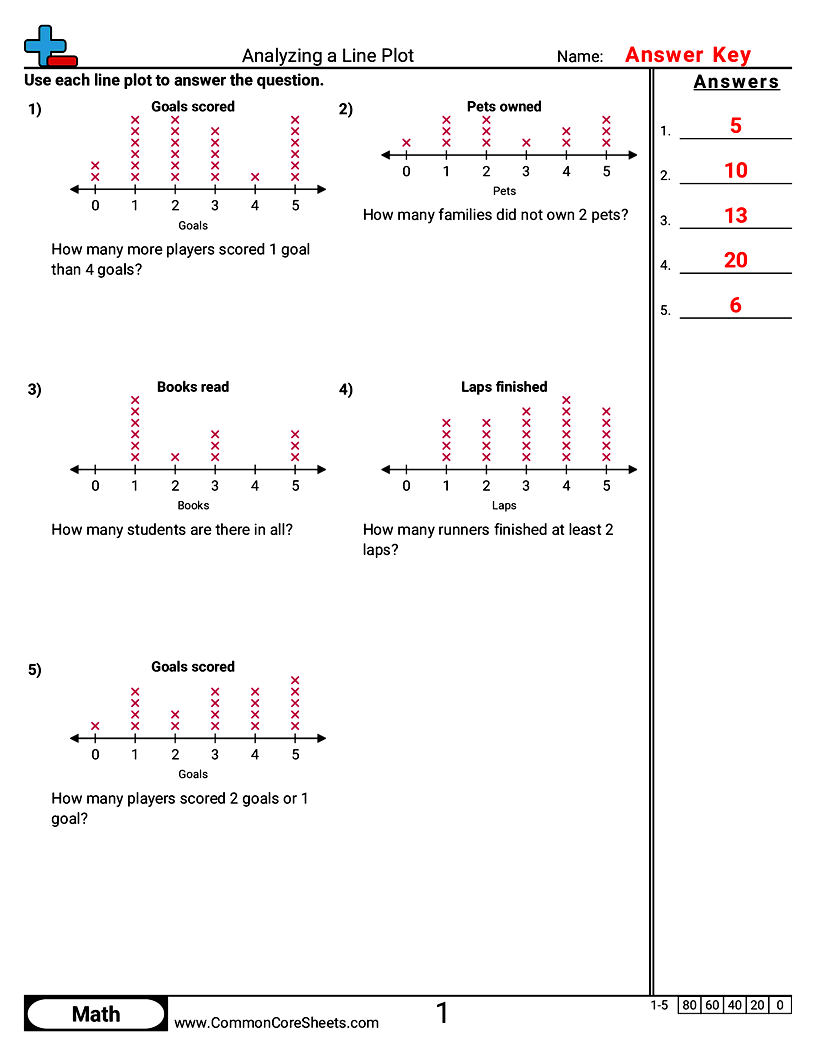
Equations & Missing Numbers
Find missing factors and addends, compare expressions, and solve equations from word problems.
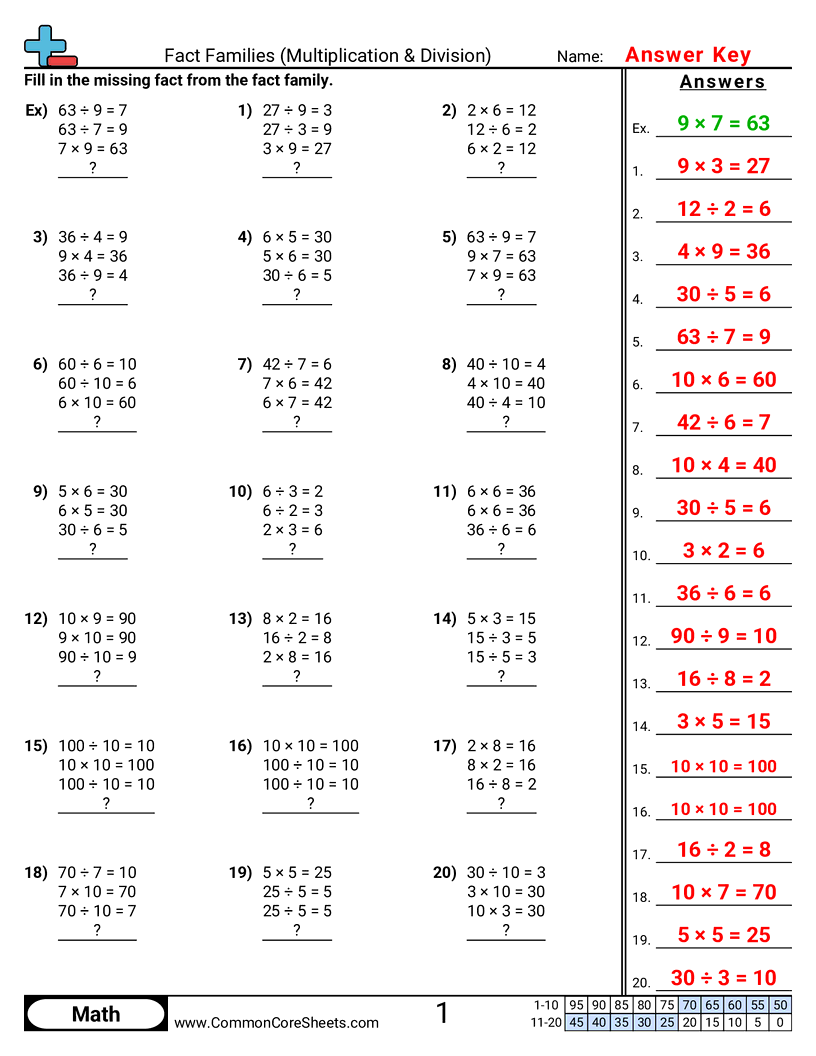 Find Missing Fact
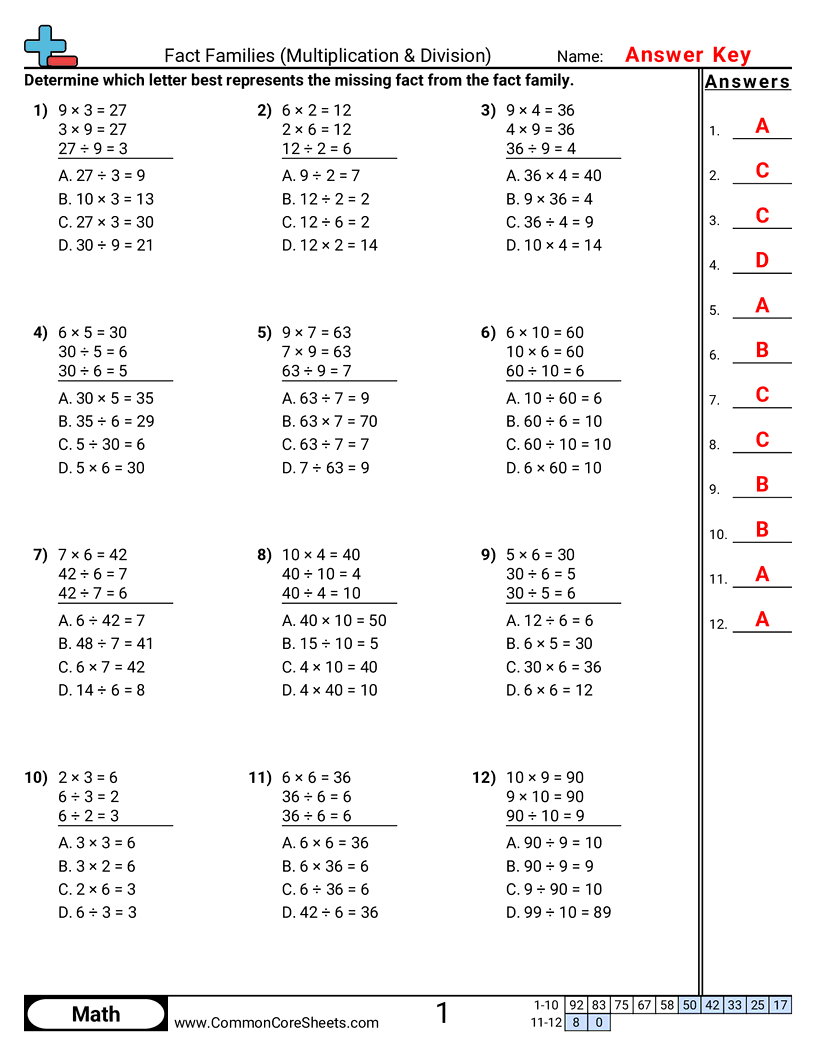 Find Missing Fact (Multiple Choice)
 Choosing the Operation Symbol that Makes an Equation True
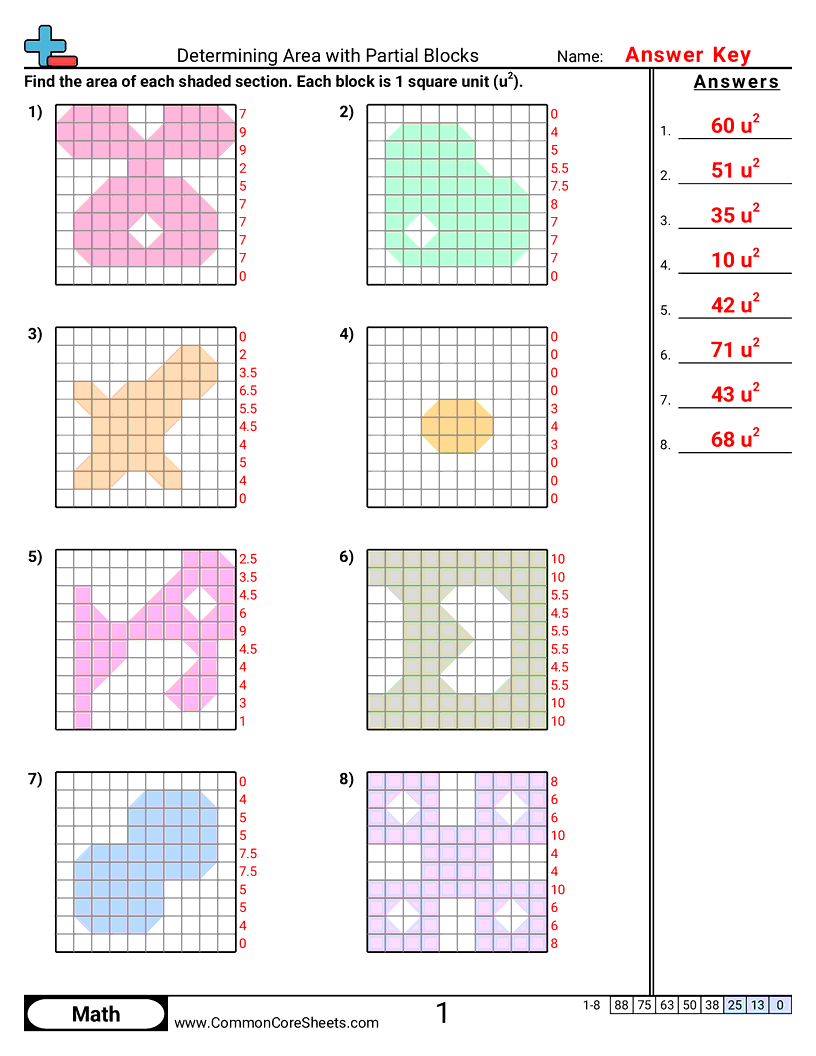
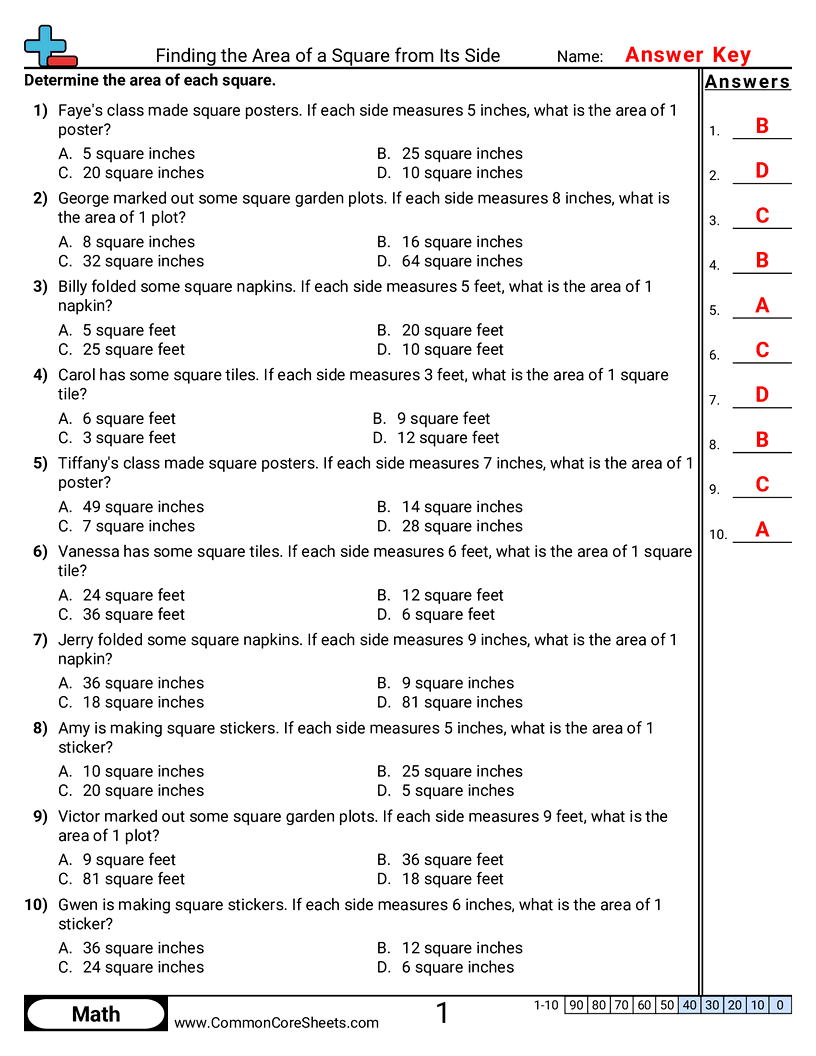
Area & Volume
Find the area of shapes by breaking them into rectangles.