4nf7×Description:
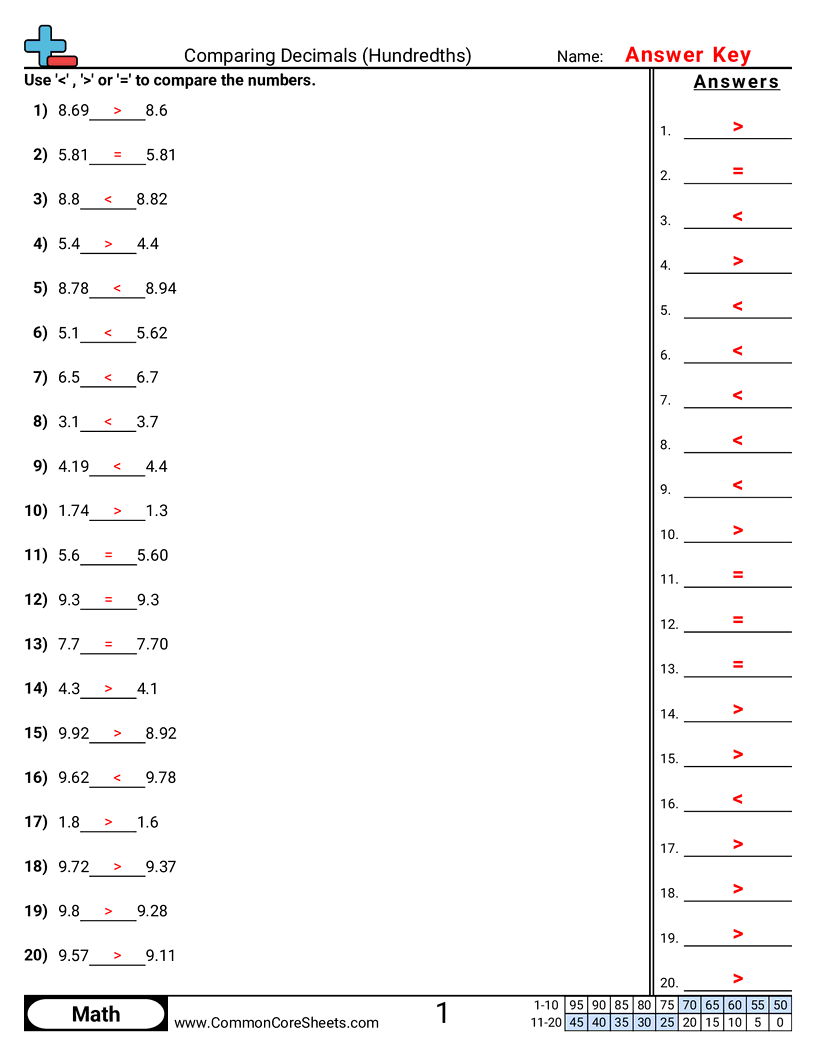
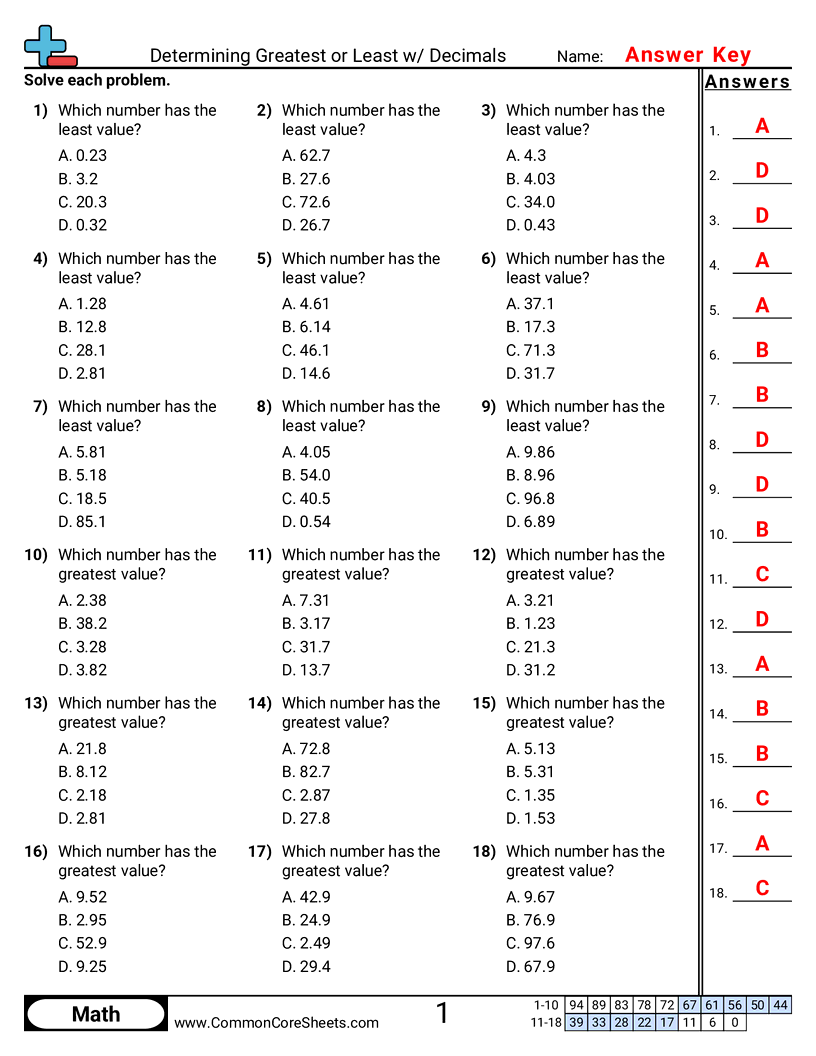
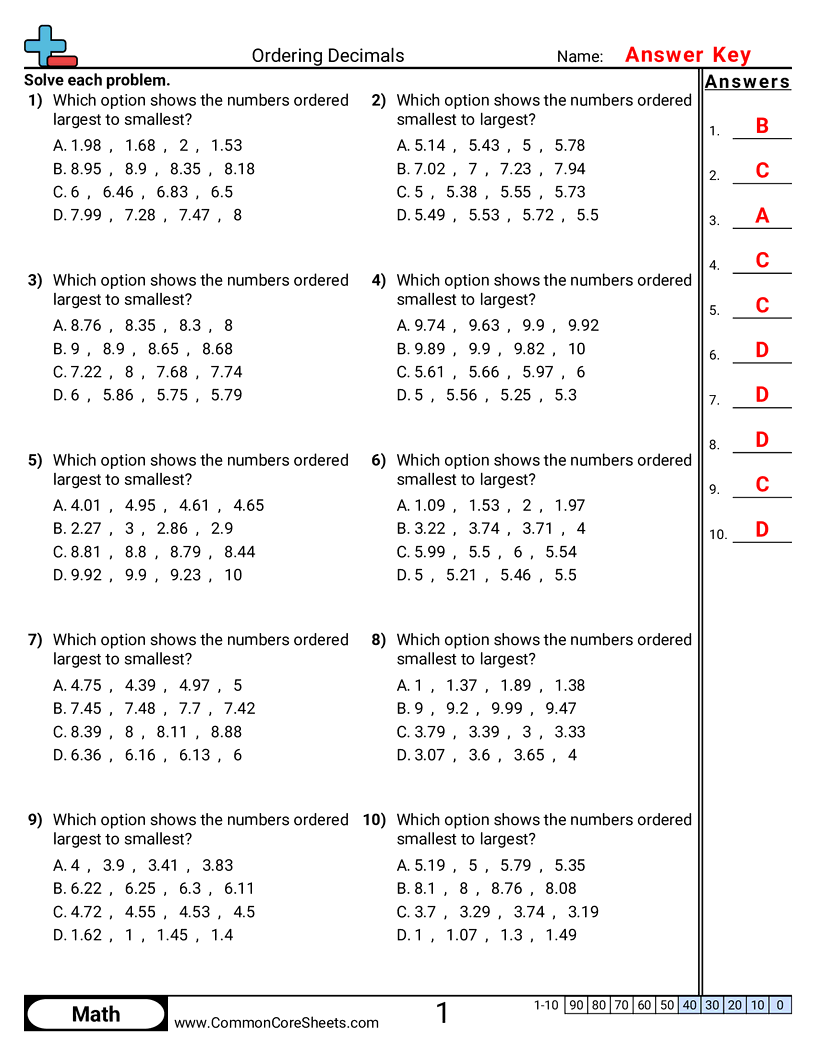
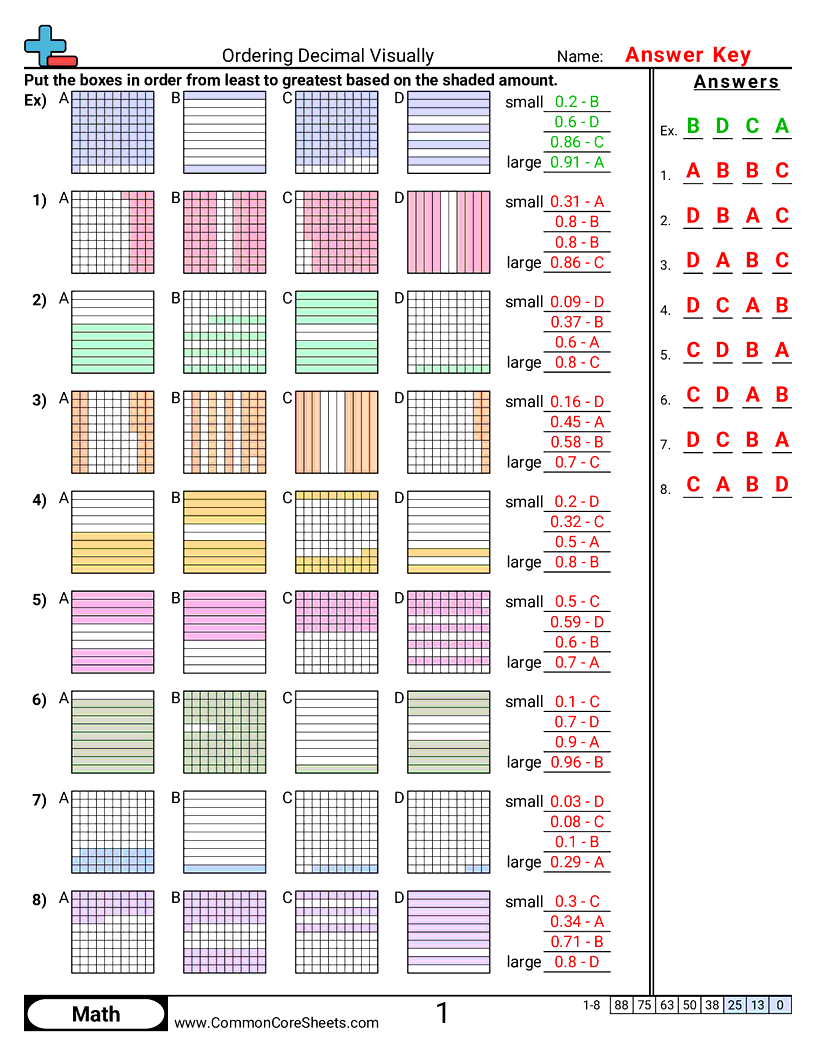
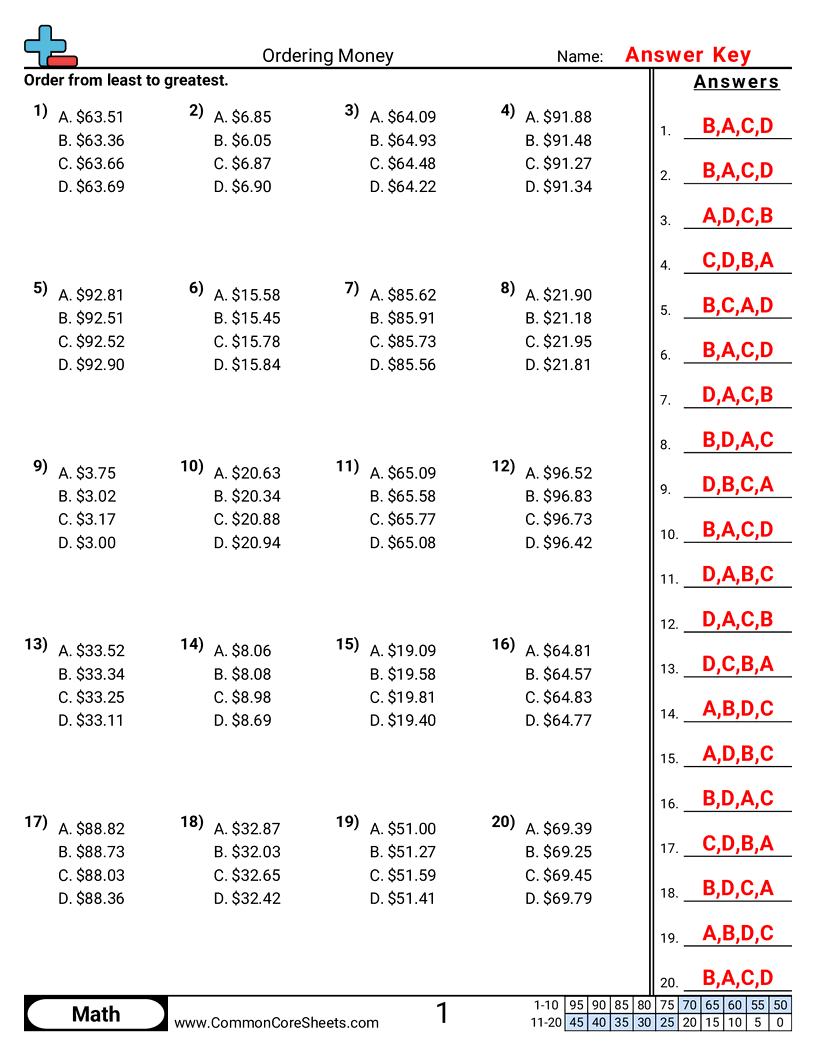
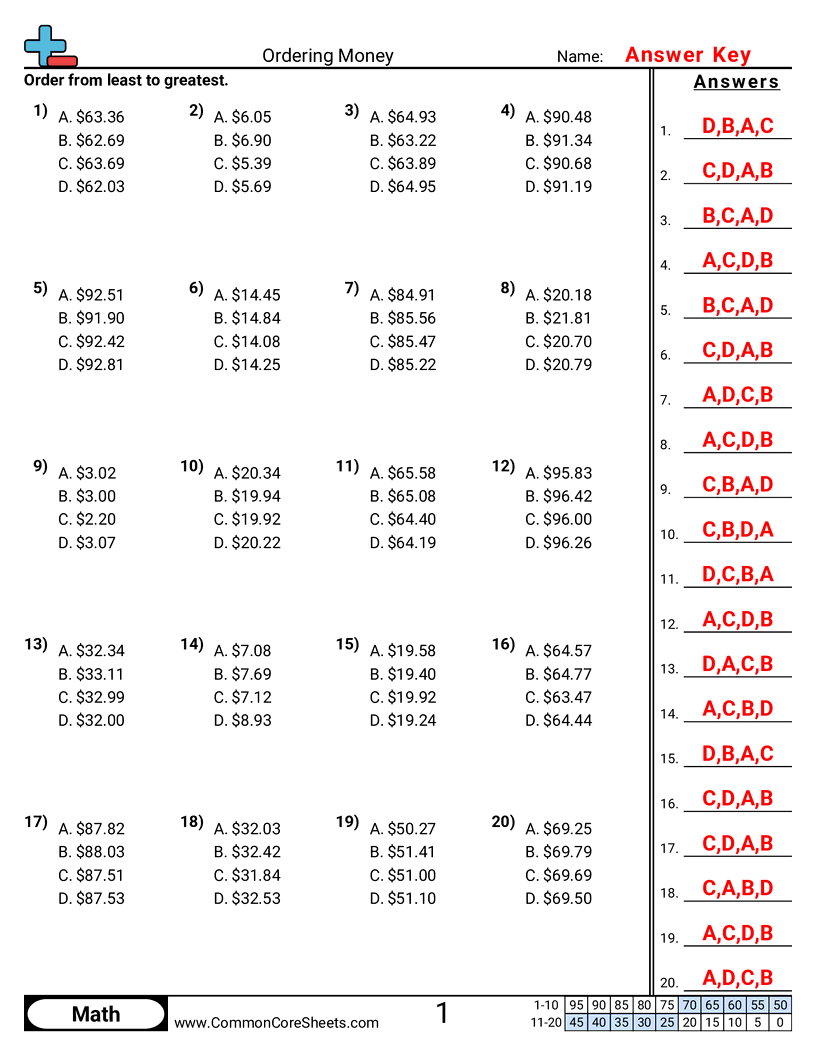
"This worksheet is designed to enhance children's understanding of decimal numbers in math. It primarily focuses on the concept of organizing decimal numbers, bringing in a set of 20 problem-solving sessions, such as ordering sequences of 13.41, 13, 13.9, 13.11, etc. The customizable worksheet is versatile for remote teaching, converting into flashcards, and can seamlessly integrate into any distance learning environment."
×Student Goals: Understanding of Decimal NumbersAfter completing the worksheet, students are expected to have enhanced understanding and better knowledge of decimal numbers. They should be able to easily identify decimal numbers, recognize the importance of the decimal point, and the value it adds to the overall number. Furthermore, they would acquire skills of interpreting decimal numbers in context of their position and place value.Ordering Decimal NumbersPupils would build up proficiency in the crucial concept of ordering decimal numbers. Through regular practice, they will be able to comfortably arrange decimal numbers in both ascending and descending order, acknowledging the influence each decimal place has on the numerical sequence.Problem-solving and Analytical SkillsThe exercises in the worksheet will also implicitly cultivate problem-solving and analytical skills in children. They will learn to approach mathematical problems systematically, dissect a problem to understand its components, draw upon their previous knowledge, and apply appropriate strategies for solution.Number Sense and Numerical FluencyThis worksheet would significantly enhance child's number sense and numerical fluency. It would foster an intuitive grasp of numbers, their value, and their relationships. Students will be able to perform mathematical operations more quickly and accurately, enhancing their overall mathematical efficiency and competence.Confidence and IndependenceThrough the accomplishment of problems in this worksheet, students will grow in confidence and independence. The instilled sense of achievement from accurate problem-solving will motivate them to take on more complex math problems and study new topics with less assistance. As a result, they will become self-reliant learners with a positive attitude towards mathematics.