×Description:
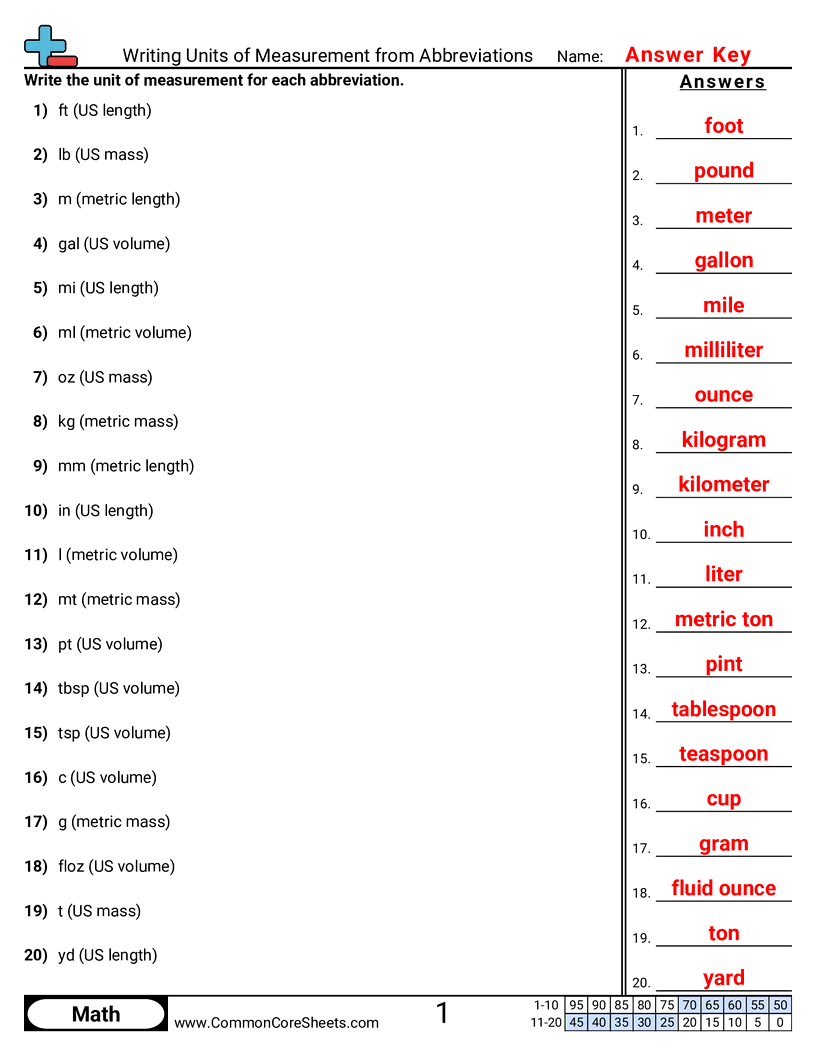
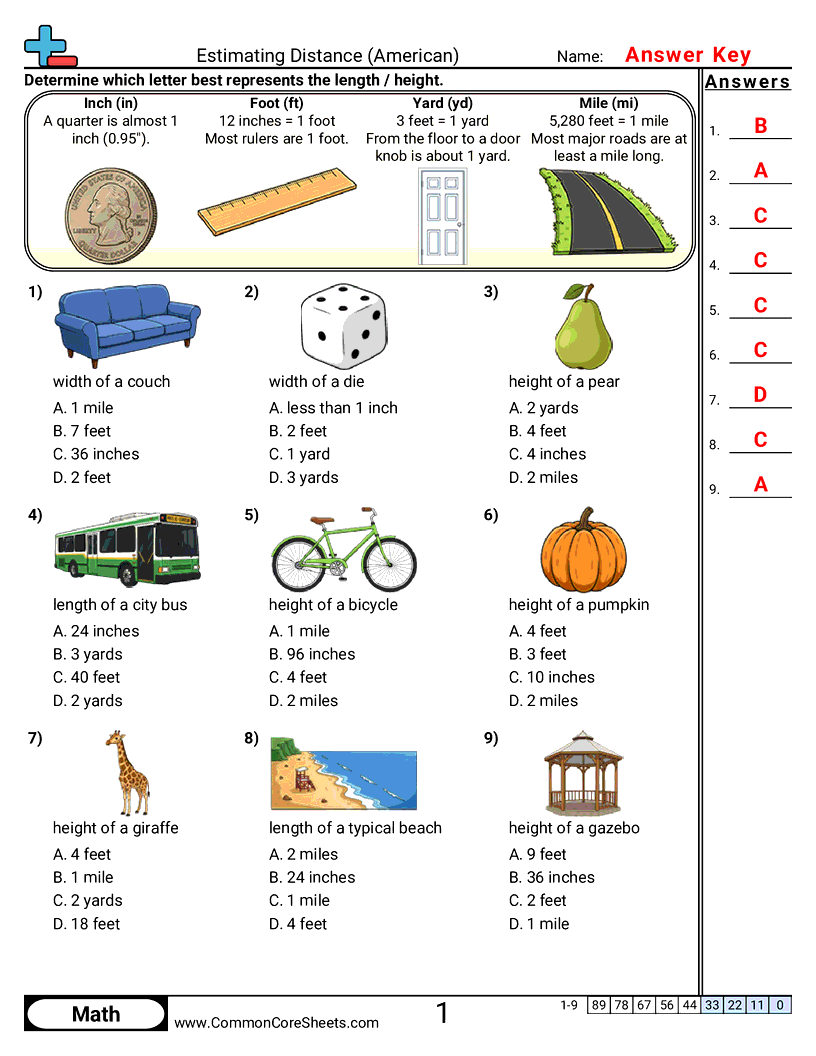
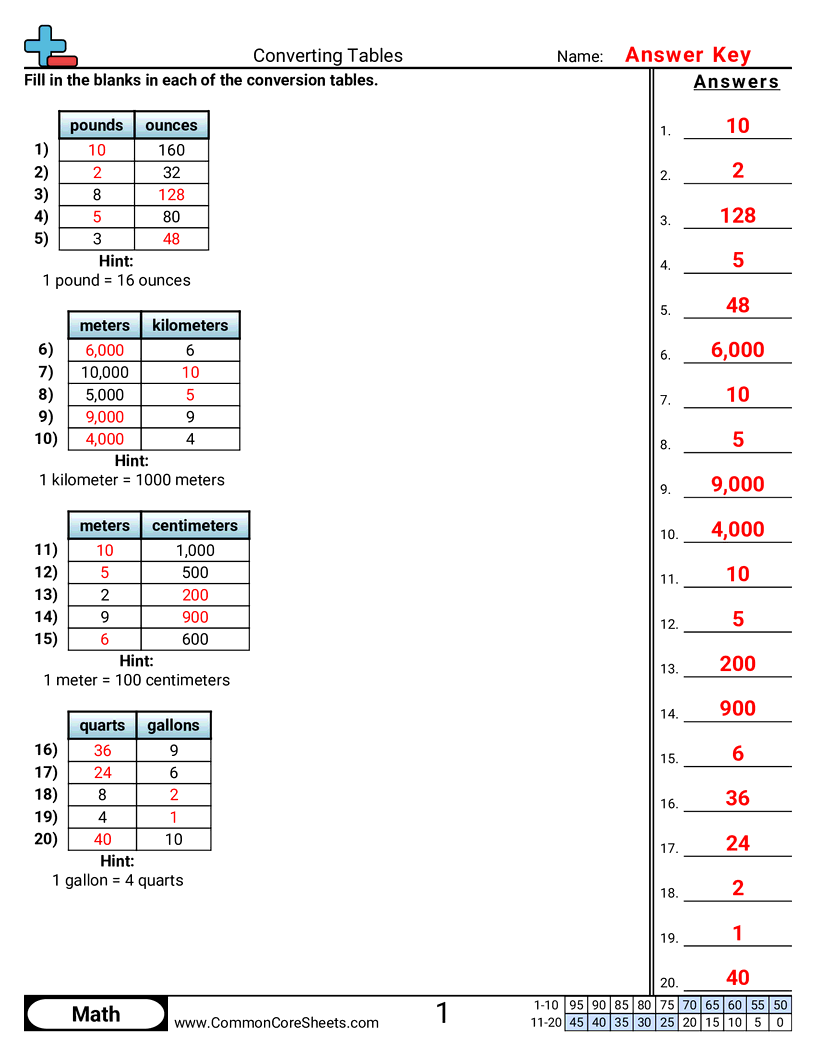
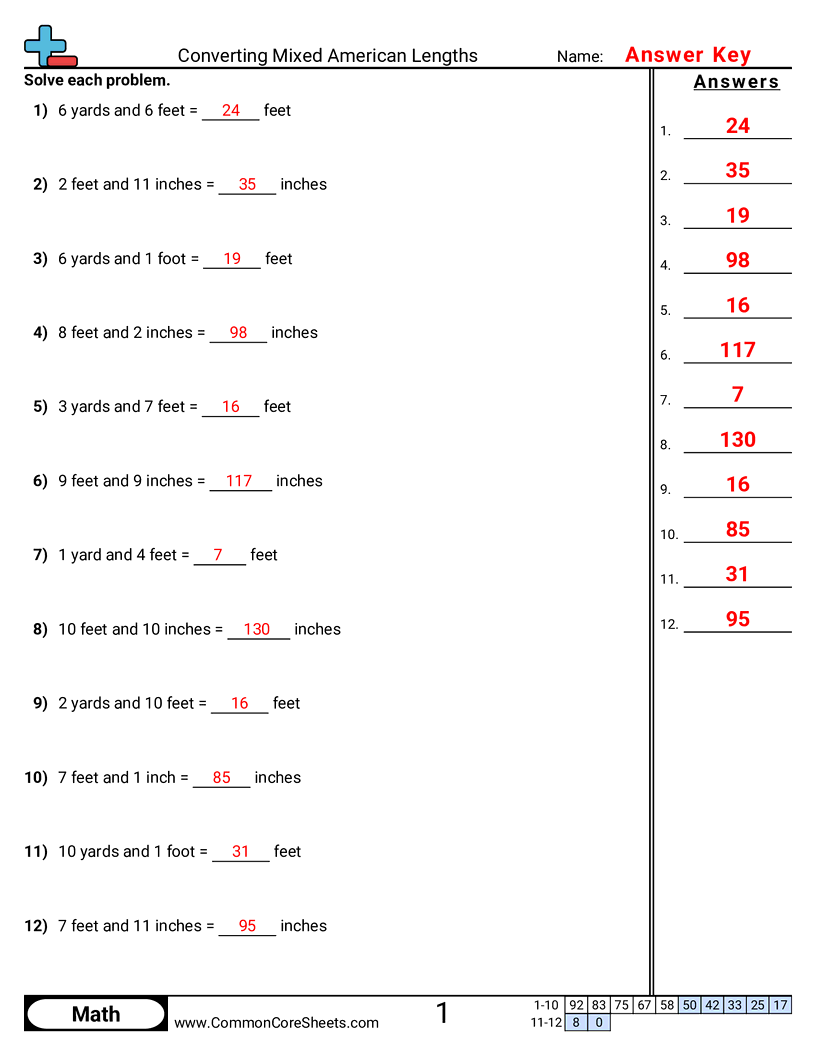
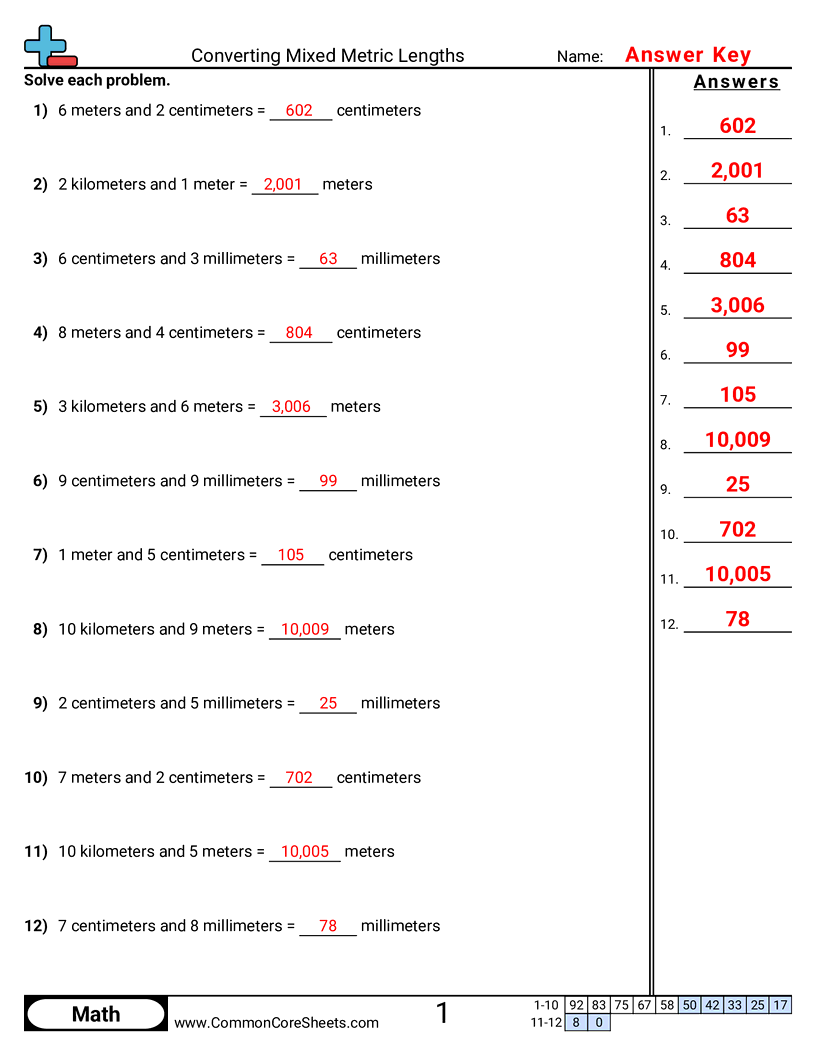
"This worksheet is designed to bolster kids' understanding of units of measurement from abbreviations utilized in both the metric and US systems. It features 20 problems of varying complexity, ranging from metric measures such as millimeters (mm), liters (l), and milligrams (mg), to US measures like ounces (oz), yards (yd), and tablespoons (tbsp). The worksheet is customizable, convertible to flashcards, and suitable for distance learning, assuring flexibility in teaching methodologies."
×Student Goals: Understanding AbbreviationsAfter completing this worksheet, students should have developed a clear understanding of various units of measurement and their abbreviations. This understanding spans both metric and US measurement systems, a vital component in math and science studies. The ability to associate abbreviations with their full-form counterparts is essential, and this worksheet is a tool for fostering that association. This space-saving ability allows students to understand, for example, 'mm' stands for millimeters, 'm' stands for meters, and 'cm' for centimeters, all units of length in the metric system.Application of KnowledgeThis worksheet also requires students to apply their knowledge. By associating abbreviations with the correct units of measurement, students exercise their critical thinking skills. This engrains the knowledge deeper, and gives them the ability to apply this know-how in different scenarios. For instance, they can understand 'gal' stands for gallons and 'tbsp' for tablespoon in the US measurement system, both measures of volume. This goes a long way in ensuring they can understand and apply the established knowledge practically.Enhancement of Problem Solving SkillsCorrectly attributing these abbreviations to their full forms showcases a student's problem-solving ability. The use of a variety of units of measurements from different measurement systems also enhances their mental agility. For instance, they can understand 't' stands for tons, a measure of mass in the US system, while 'mt' stands for metric tons in the metric system. This worksheet, therefore, not only tests their understanding of measurement units but also their ability to think critically and solve problems.Development of Analytical SkillsThe completion of this worksheet serves as a testament to the enhancement of the students' analytical skills. They have learned how to decipher the meaning of abbreviations across two different systems - the metric and the US system, consequently showing their ability to analyze and comprehend various forms of data. Whether it is identifying 'mg' as milligrams in the metric system or 'oz' as ounces in the US system, their analytical skills have certainly developed. Subsequently, this acquisition of skills is beneficial in their continued academic journey, particularly in subjects that heavily rely on measurements e.g., physics and chemistry.