×Description:
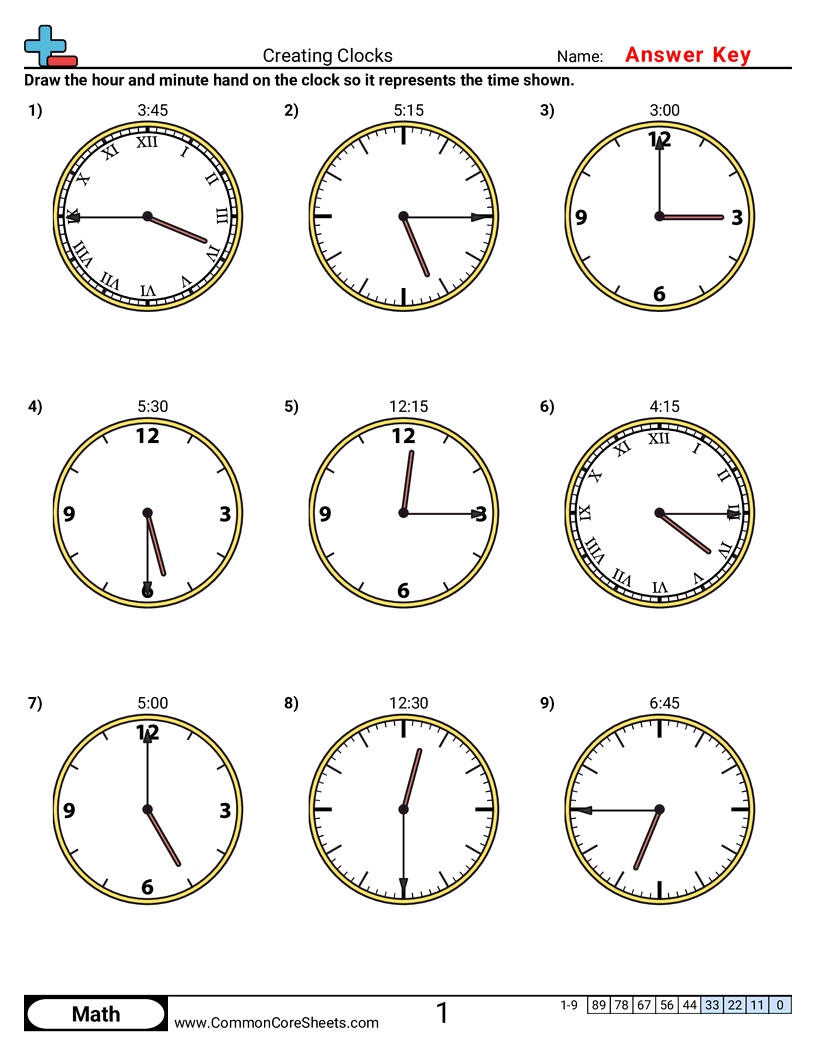
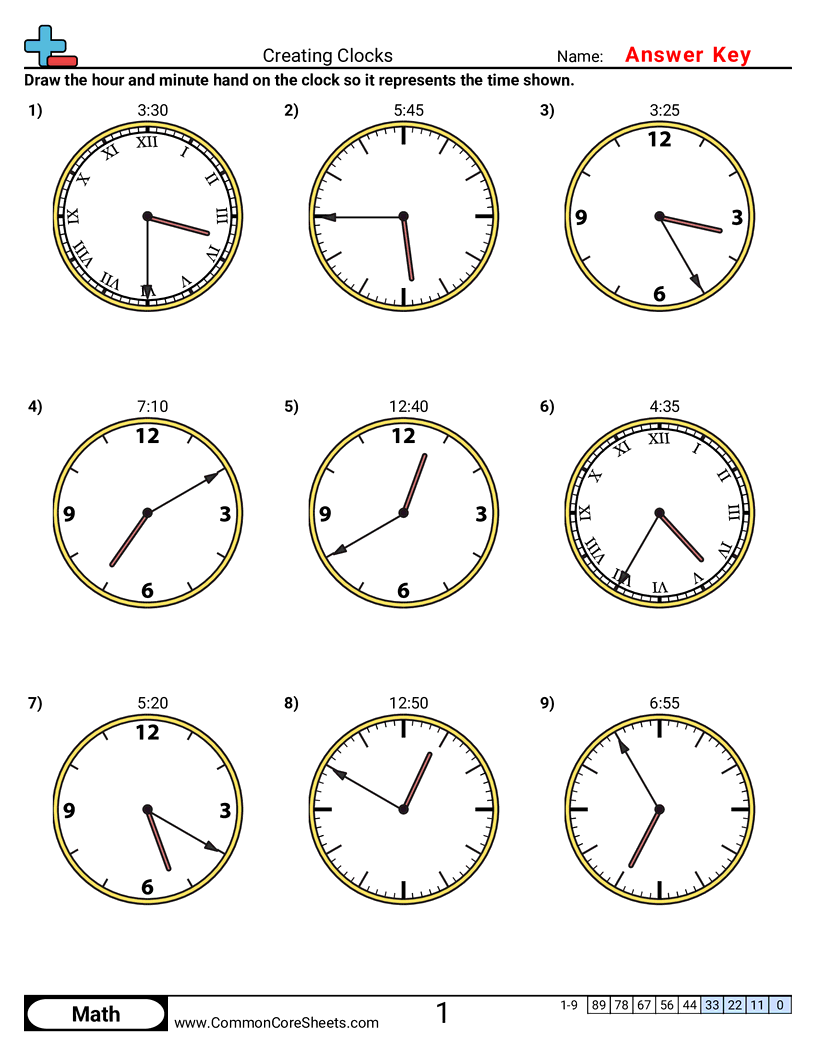
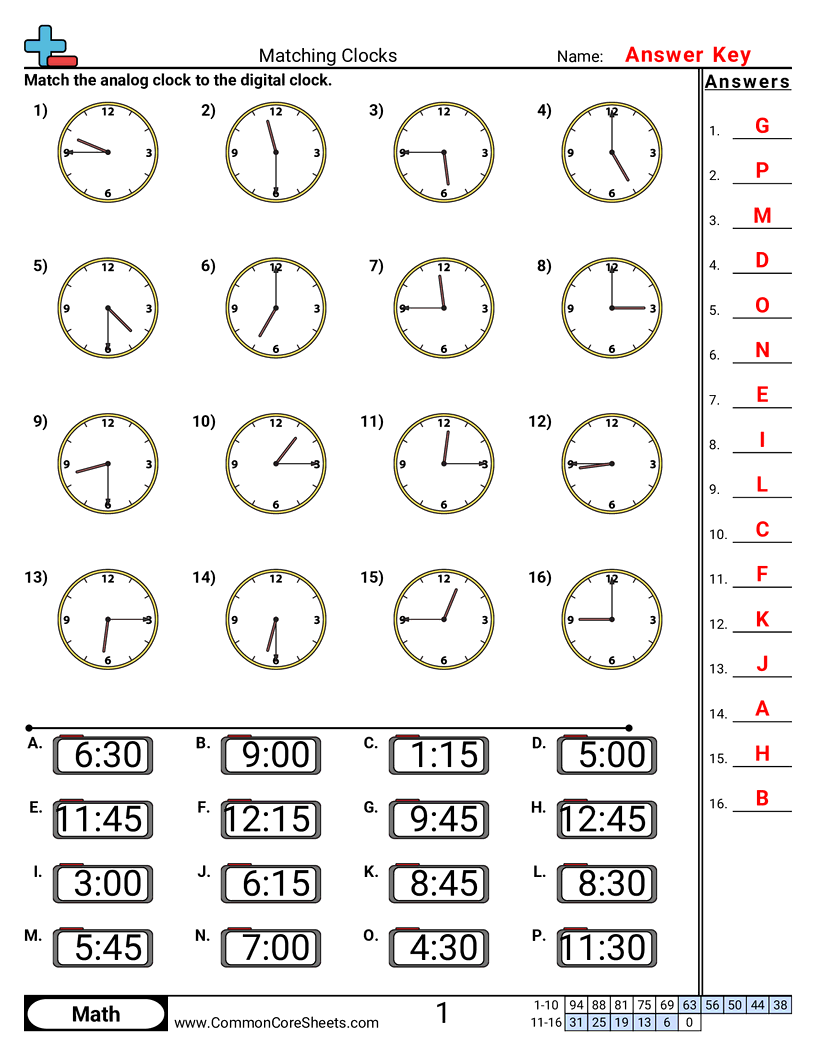
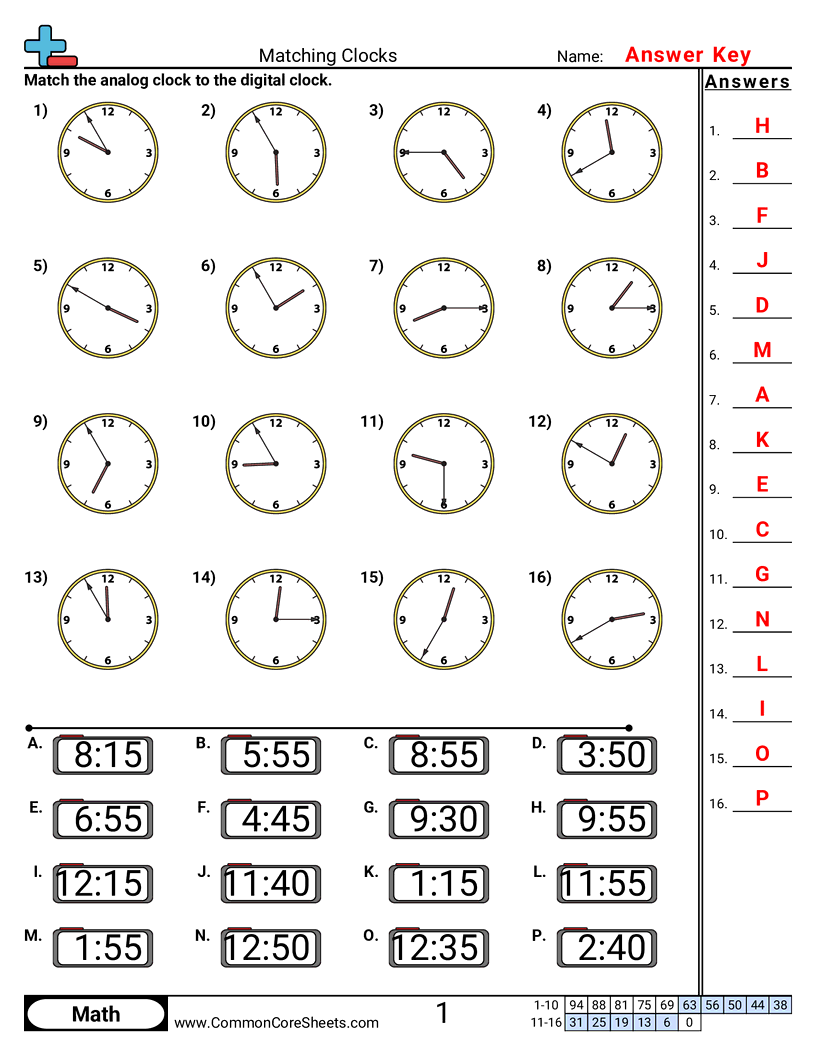
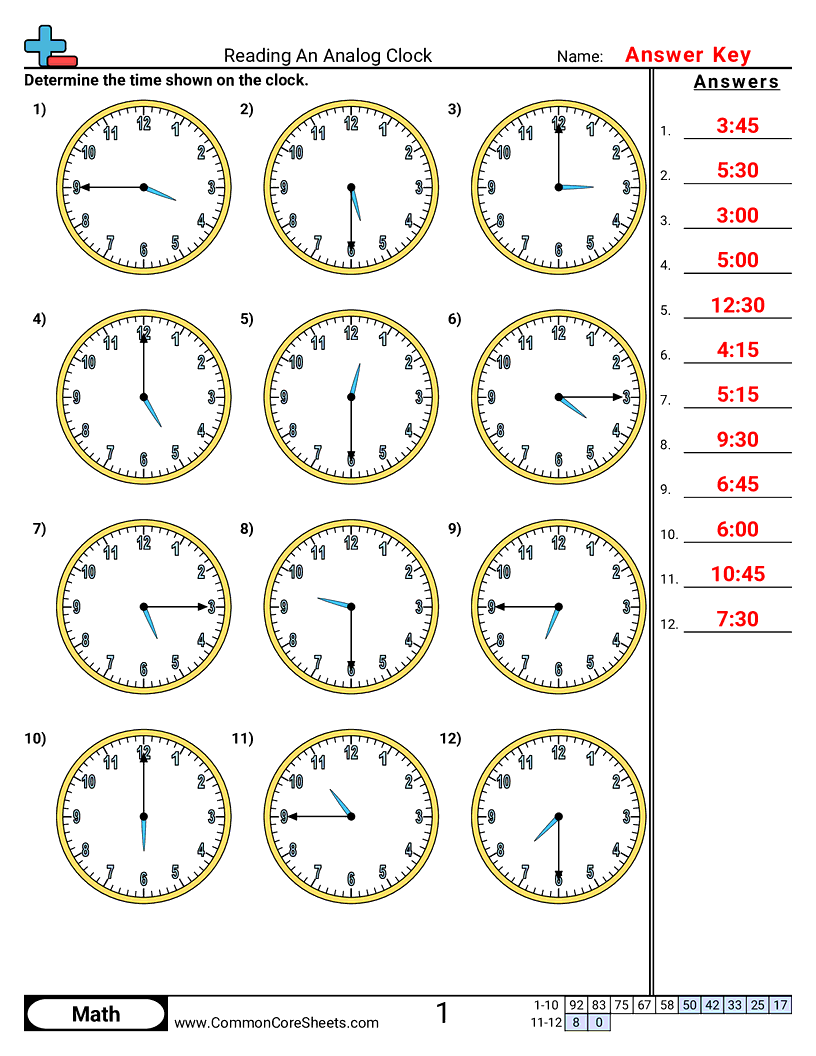
"This worksheet is designed to enhance children's math skills by identifying hour and minute hands. It features 12 engaging problems involving various time-readings, conducive to grasping fundamental time concepts. This worksheet can be easily customized for individual learning pace and goals, transformed into flashcards for efficient memorization or utilized in distance learning platforms. An ideal tool to make learning about time interactive and fun."
×Student Goals: Time UnderstandingAfter completing the worksheet, the students will have a solid understanding of how an analog clock works. They will be able to tell the difference between the hour and minute hands and how to correspond them to the right numerals on the clock face. This will aid them in their daily life, allowing them to accurately keep track of time.Math CompetencyThis worksheet focuses on enhancing mathematical abilities in terms of time. By the end of it, learners will be proficient in understanding various intervals of time - full hours, half hours, quarter hours, etc. Moreover, this basic understanding will prove critical when progressing to more advanced math lessons involving calculations with time.Problem-Solving SkillsThrough the worksheet, students will enhance their problem-solving abilities. Presented with different scenarios, they will discern the exact time being displayed on an analog clock. As such, it improves overall cognitive skills by fostering decision-making capabilities and enhancing attention to detail.Application of KnowledgeBy conducting this exercise, the students will be well-equipped to apply their learned knowledge practically. As they become proficient in time understanding, they can effortlessly read time off analog clocks around them – in school, at home, or in public places. This practical applicability makes their learning robust and relevant.Preparation for Advanced LearningThe lessons in this worksheet will act as a stepping stone towards more advanced learning. The fundamental understanding of time will further ease their learning process when they start dealing with more complex mathematical problems linked with elapsed time, time zones, etc.Building ConfidenceFinally, mastering the understanding of time builds a sense of confidence in children. They feel more assured of their learning and become more enthusiastic about learning other concepts. This newfound confidence is beneficial for their overall academic journey – stimulating curiosity, enhancing focus, and encouraging a proactive learning attitude.