5nf7a×Description:
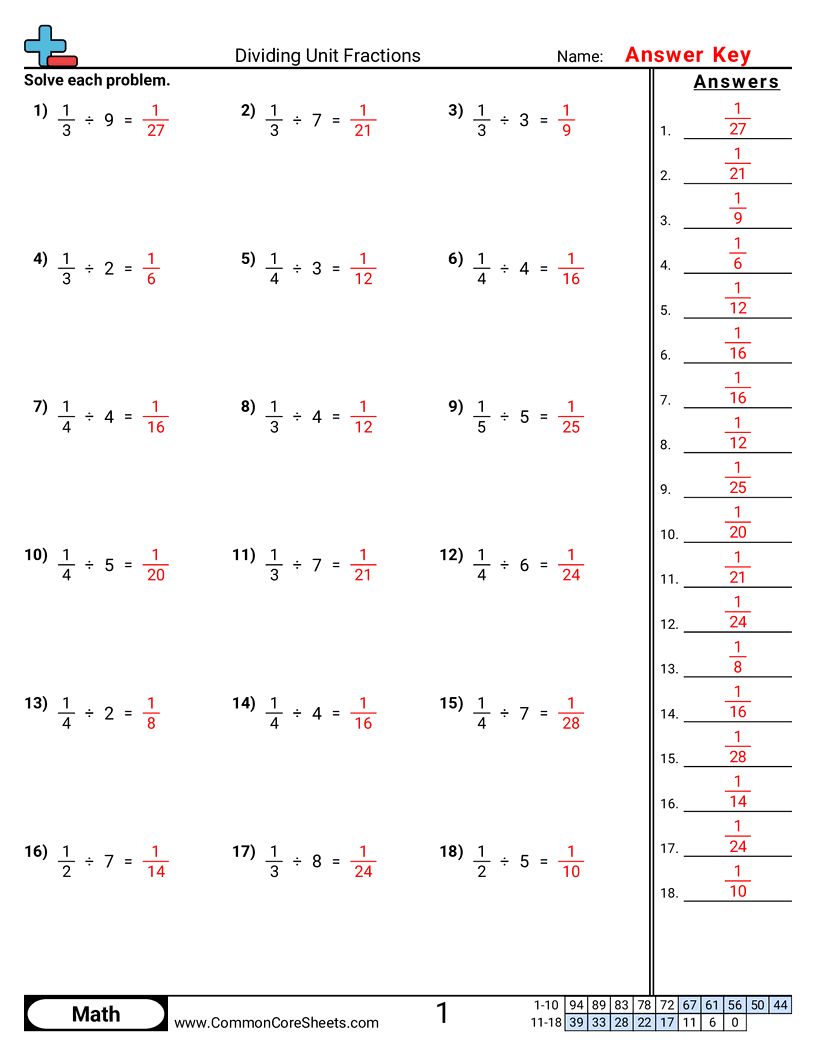
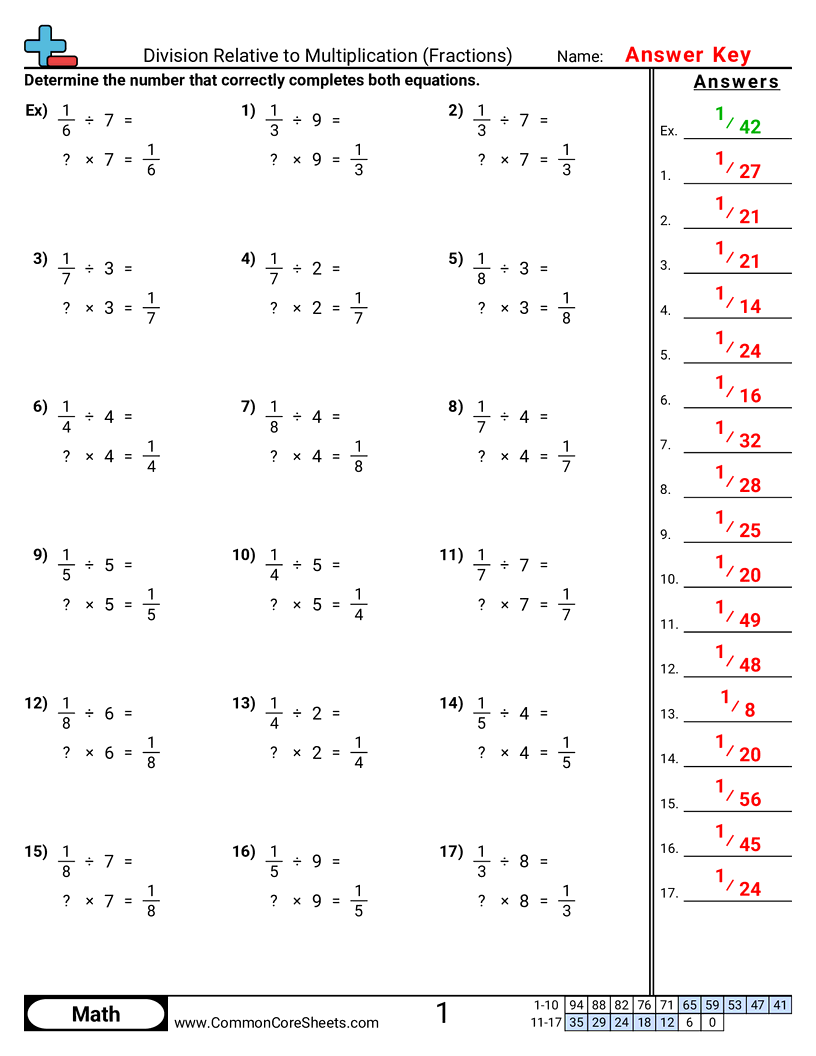
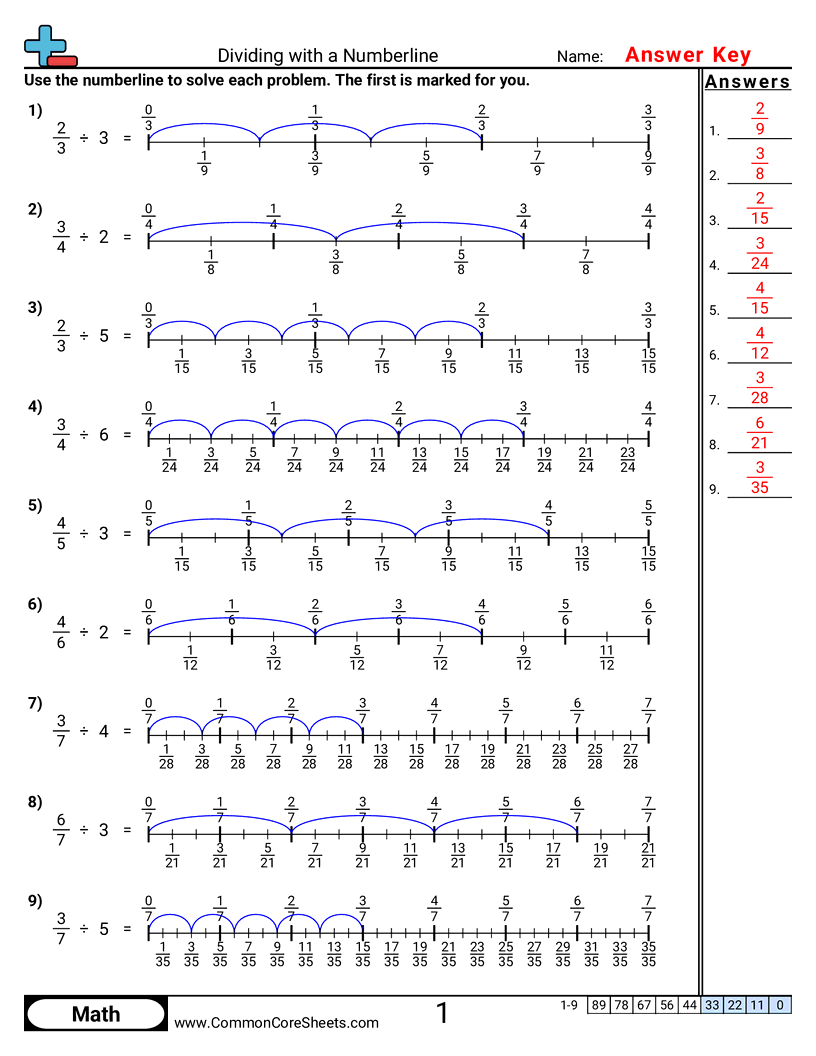
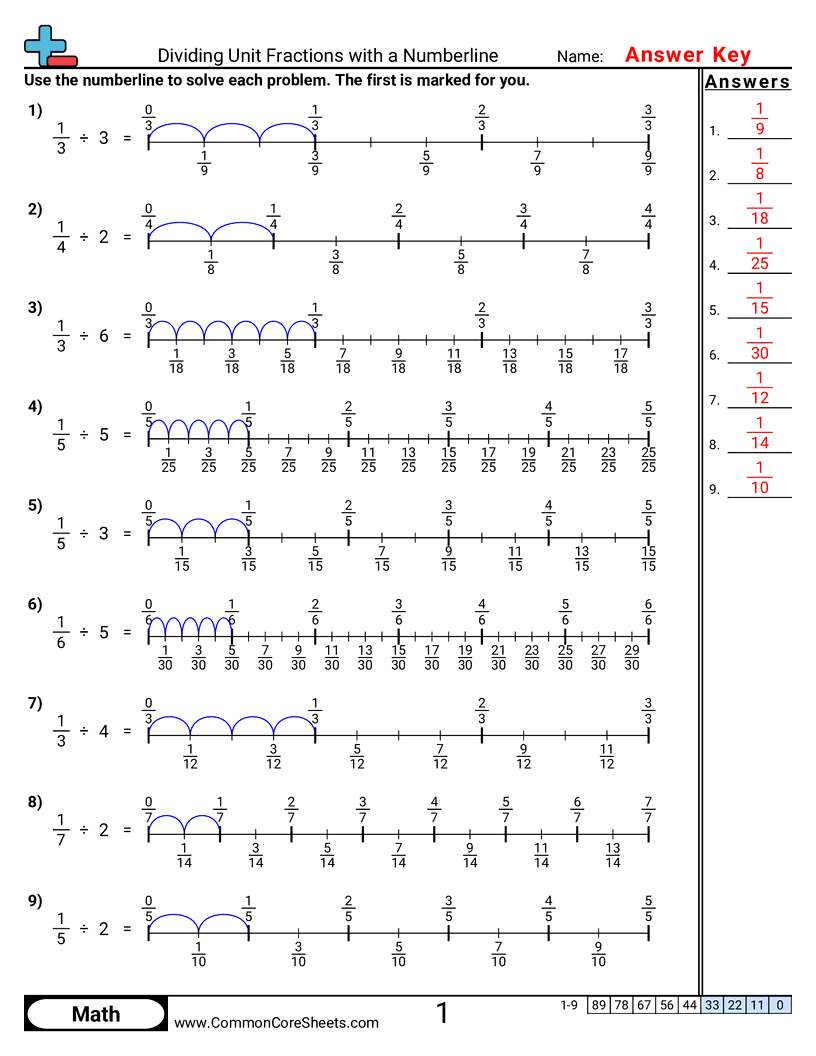
"This worksheet is designed to help children understand the concept of dividing unit fractions using visual aids. It features 12 problems, including examples such as dividing one-sixth by nine, one-half by two, and one-eighth by seven. Ideal for distance learning, this versatile sheet can be tailored to suit your needs and can even be converted into flashcards for a more interactive educational experience."
×Student Goals: Comprehend Unit Fraction DivisionUpon successful completion of this worksheet, students should gain a strong understanding of how to divide unit fractions. They will have undertaken a deep exploration of the operational dynamics of this aspect of mathematics, strengthening their foundational math skills and boosting their confidence in approaching similar problems in the future.Understand Mathematical PrinciplesThe children will have acquired the ability to mentally manipulate unit fractions, thereby gaining an understanding of the mathematical principles behind this operation. By dividing various unit fractions visually, they will also understand and appreciate the correlation between algebraic and geometric fractions, reinforcing their mathematical reasoning skills.Development of Problem-Solving SkillsThis worksheet aids in cultivating the problem-solving abilities of the students. They will learn to apply correct methodological approaches in addressing fractional division problems. Consequently, they will improve their ability to analyze and resolve complex math problems systematically.Enhance Computational FluencyThe children are expected to improve in their computational fluency by practicing this complex operation of dividing unit fractions. Their proficiency and speed in dividing fractions improve, preparing them for more advanced studies and potential for fields that require proficiency in mathematics.Boosting Mathematical Self-ConfidenceSuccessful engagement with these problems is likely to boost students' self-confidence in their ability to tackle mathematical problems. They will have proven to themselves that they can conquer tricky mathematical concepts with practice, thus nurturing a resilience and positive attitude towards mathematics.