1nbt1×Description:
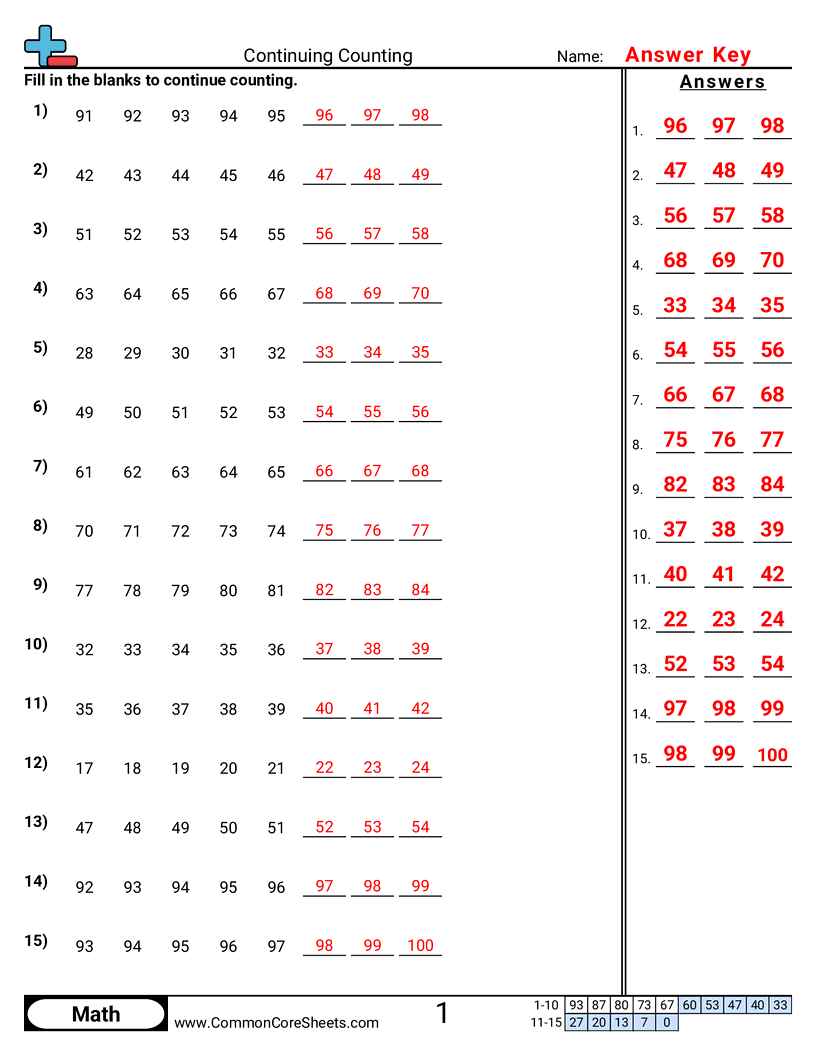
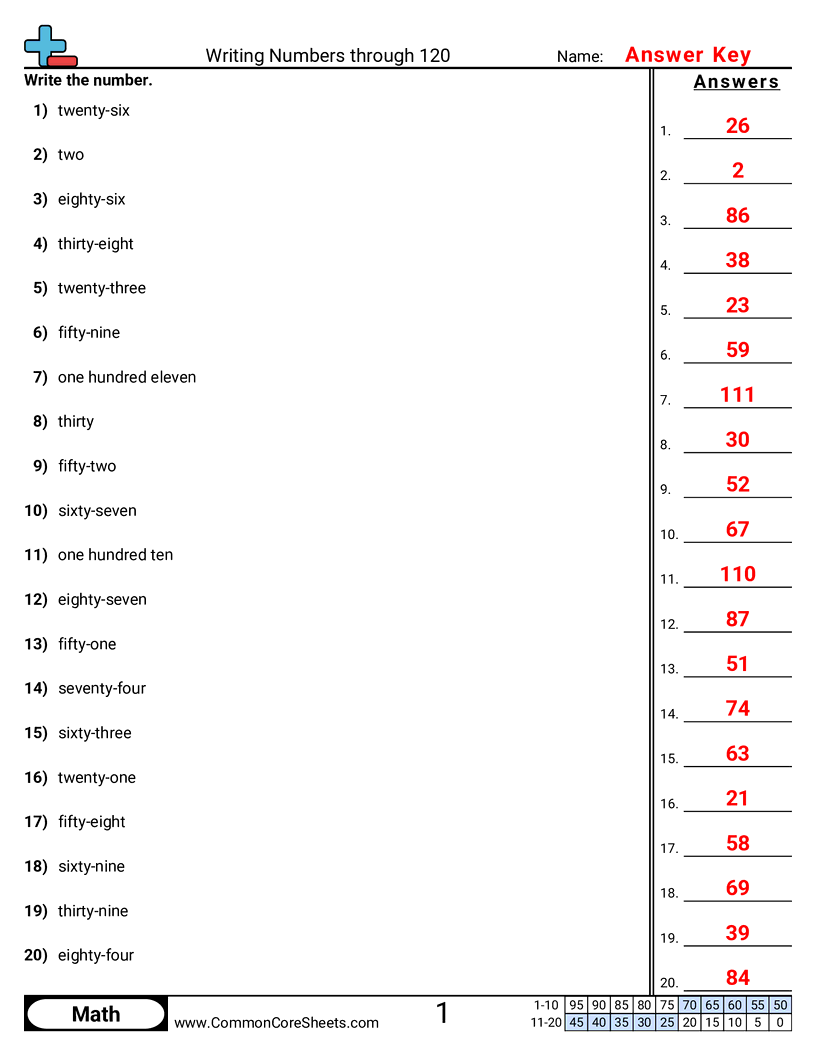
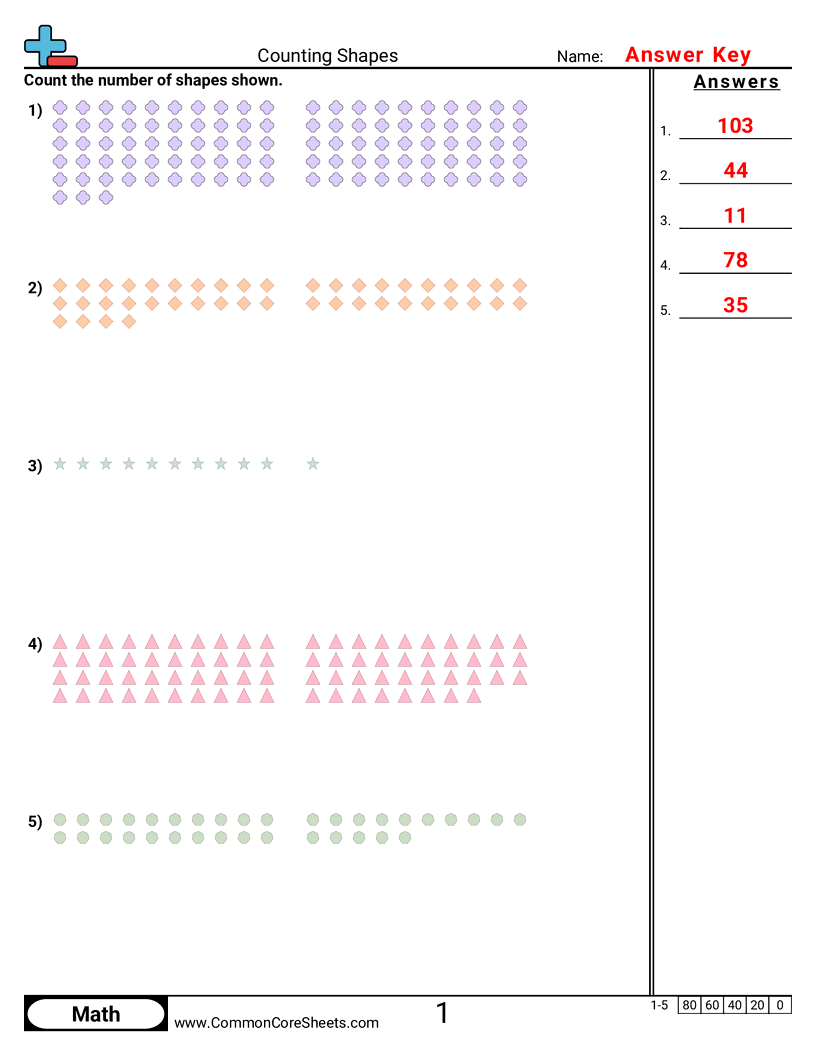
"This worksheet is designed to enhance children's learning in math, specifically in the concept of sequence counting. Comprising of 15 customizable problems, the worksheet provides examples ranging from the 50's to 120's series. A versatile tool, it can easily be converted into flashcards or adapted for use in distance education. It's a dynamic way to keep math learning interactive and fun, even from afar."
×Student Goals: Number RecognitionAfter completing the worksheet, students should have an enhanced ability to recognize numbers. This should not be limited to single-digit numbers but should extend to double and potentially triple-digit numbers. They will understand the 'look' of different numbers and will be quicker and more efficient in spotting them in various contexts.Number SequencingStudents should have developed an improved understanding of number sequences. They should notice patterns and learn the rule of incrementing the count by one. They will be well-equipped to continue with a number series even after it breaks off, thereby solving counting problems with greater ease.Counting FluencyChildren should increase their fluency in counting quantities methodically. That is, the worksheet will enforce their ability to move from one number to the next in an orderly and predictable way. This fluency forms the building blocks of more complicated mathematical reasoning and problem-solving skills.Problem-Solving SkillsAlthough the worksheet is primarily about counting and number recognition, it also encourages rudimentary problem-solving skills. By spotting patterns and applying the rules of counting, each task on the worksheet is essentially a small problem to solve. Over time, this will contribute to the development of broader problem-solving abilities.Confidence in MathematicsAs children master the ability to count and recognize numbers, they should gain increased confidence in their mathematical abilities. The consistent progression through the number sequences in the worksheet should bolster self-assuredness, leading to a more positive attitude towards math.Preparation for Advanced Math ConceptsWhile counting may seem like a straightforward endeavor, it's a fundamental math concept that lays the foundation for more advanced topics. Thus, students will be better prepared to tackle tasks involving addition, subtraction, multiplication, and division in the future, underlining the continued importance of number familiarity and sequencing competency.