6th Grade Math Worksheets
Sixth grade introduces ratios, rates and percents, and extends numbers to negatives: students divide fractions by fractions, work with integers and absolute value, and plot points in all four quadrants. They begin algebra with exponents, expressions, one-step equations and inequalities, find area, surface area and volume, and summarize data with mean, median and plots. Every worksheet below is free, prints as a PDF with an answer key, and can be assigned online.
By Standard
Common Core
The Number System
By Topic
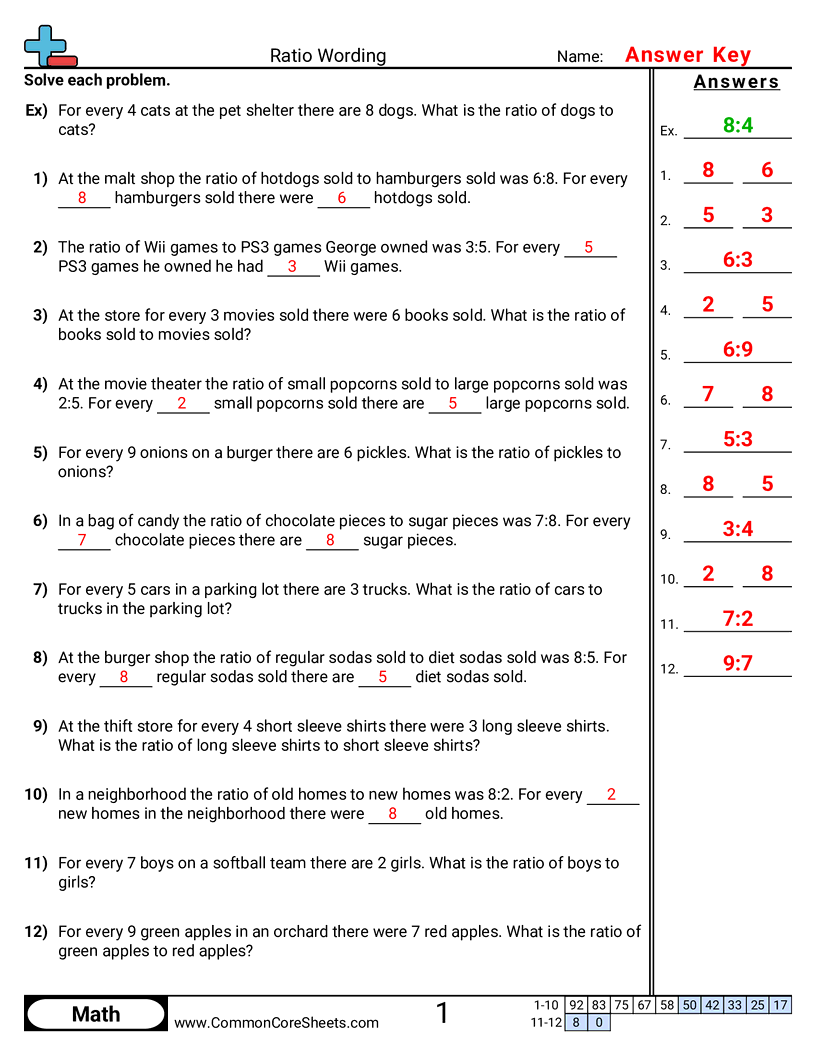
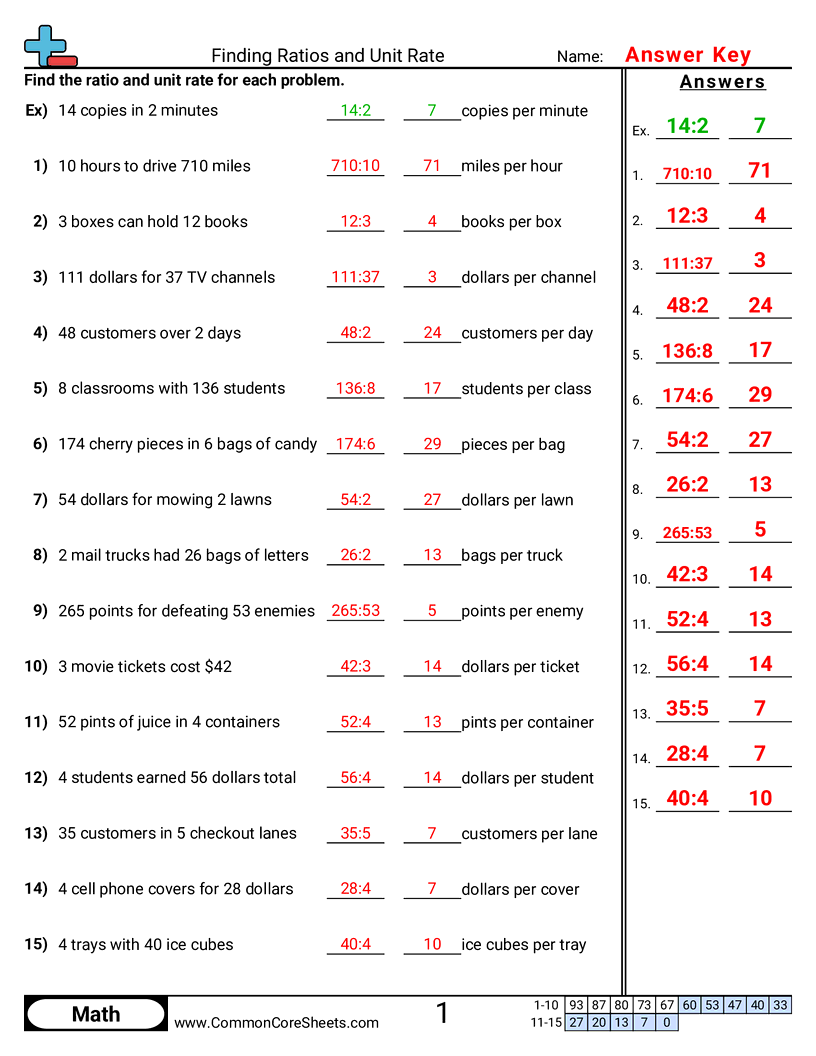
Ratios & Unit Rates
Write ratios, fill in ratio tables, and find unit rates and unit prices.
+18+19 more worksheets →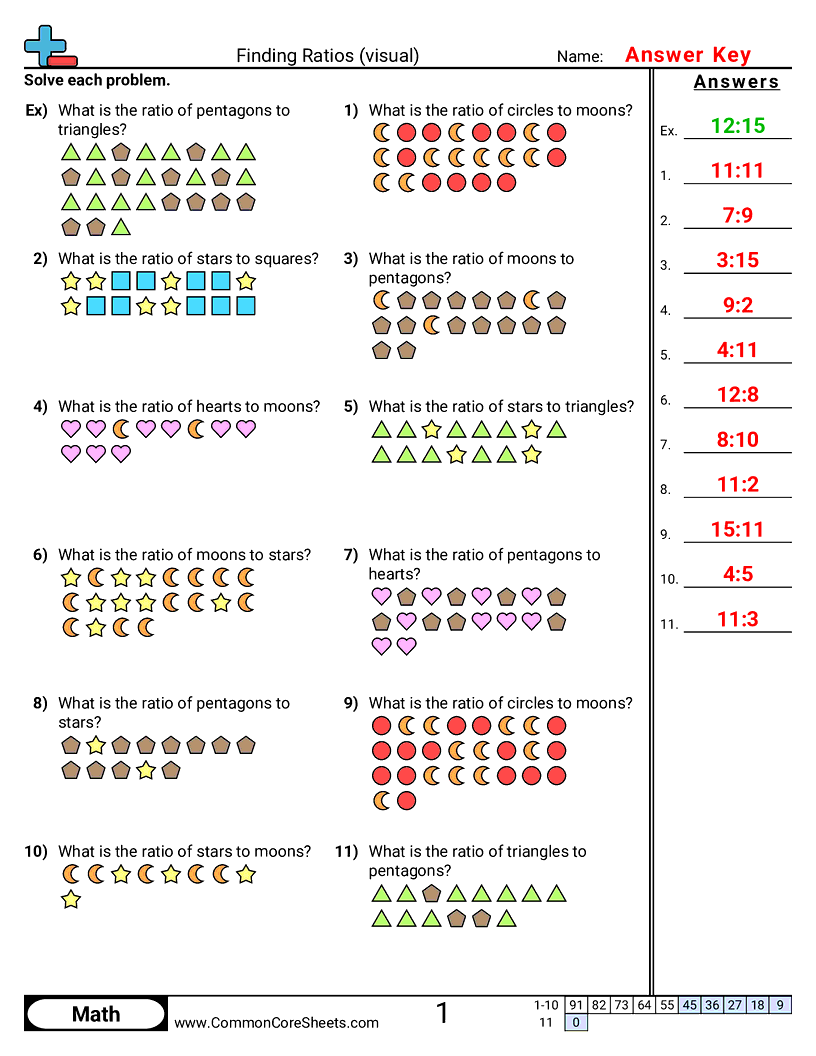
Negative Numbers & Absolute Value
Place integers on a number line, find opposites, and compare and order them.
+17+18 more worksheets →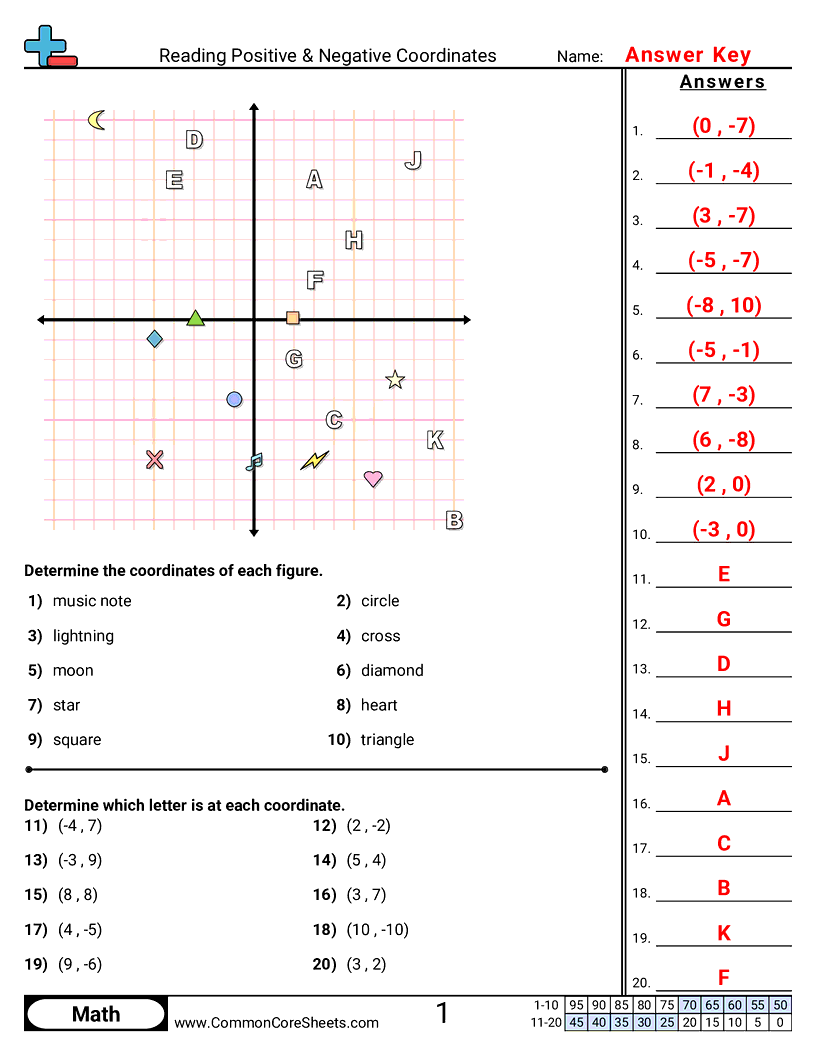

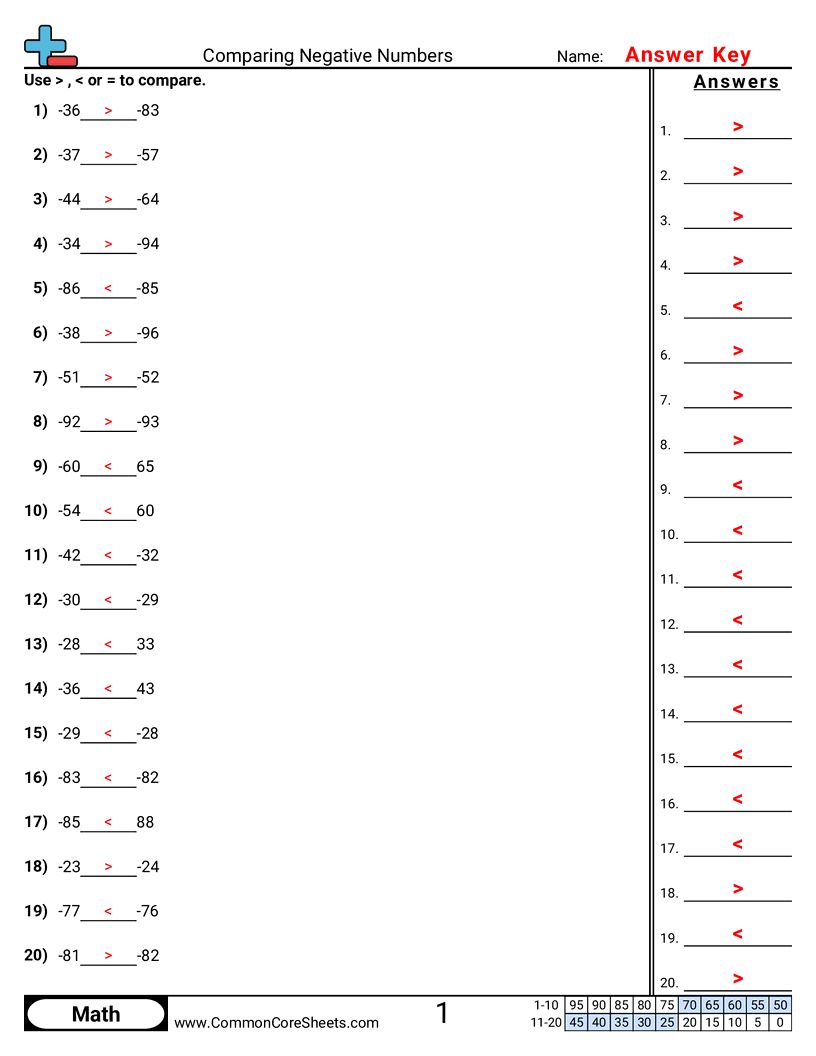
Percents
Find a percent of a number and convert between decimals and percents.
+8+9 more worksheets →

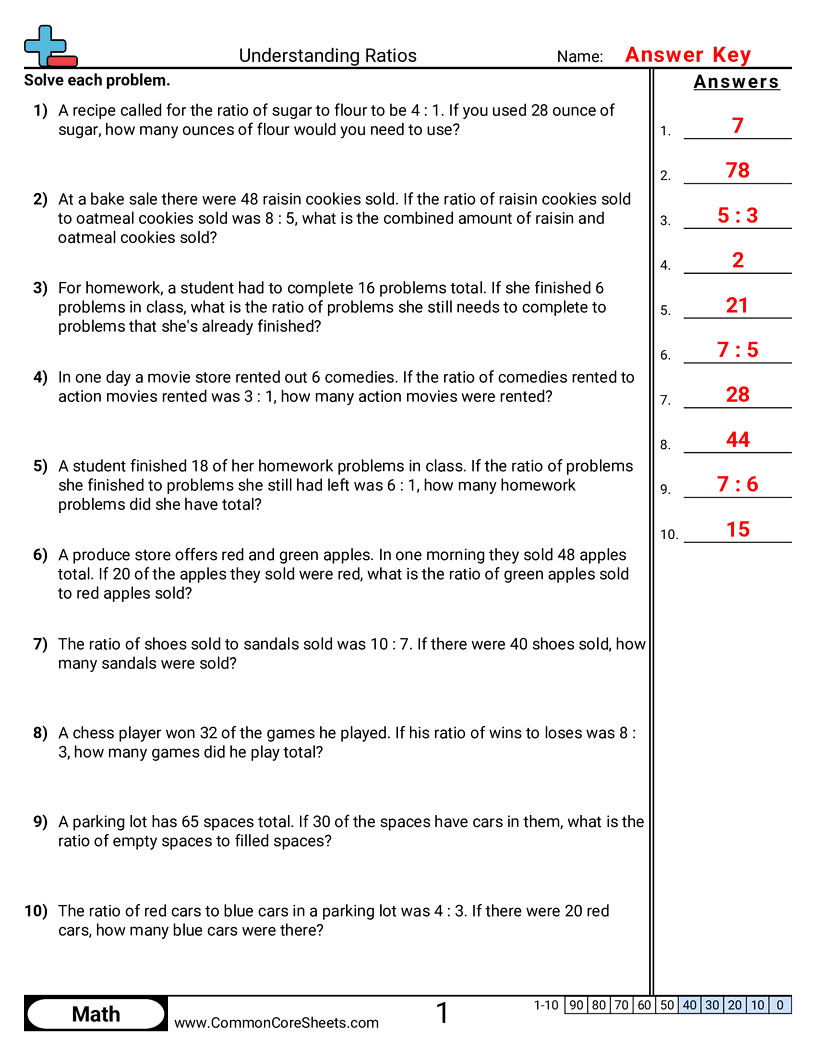
Mean, Median, Mode & Range
Find measures of center and spread and pick the one that best describes the data.
+13+14 more worksheets →

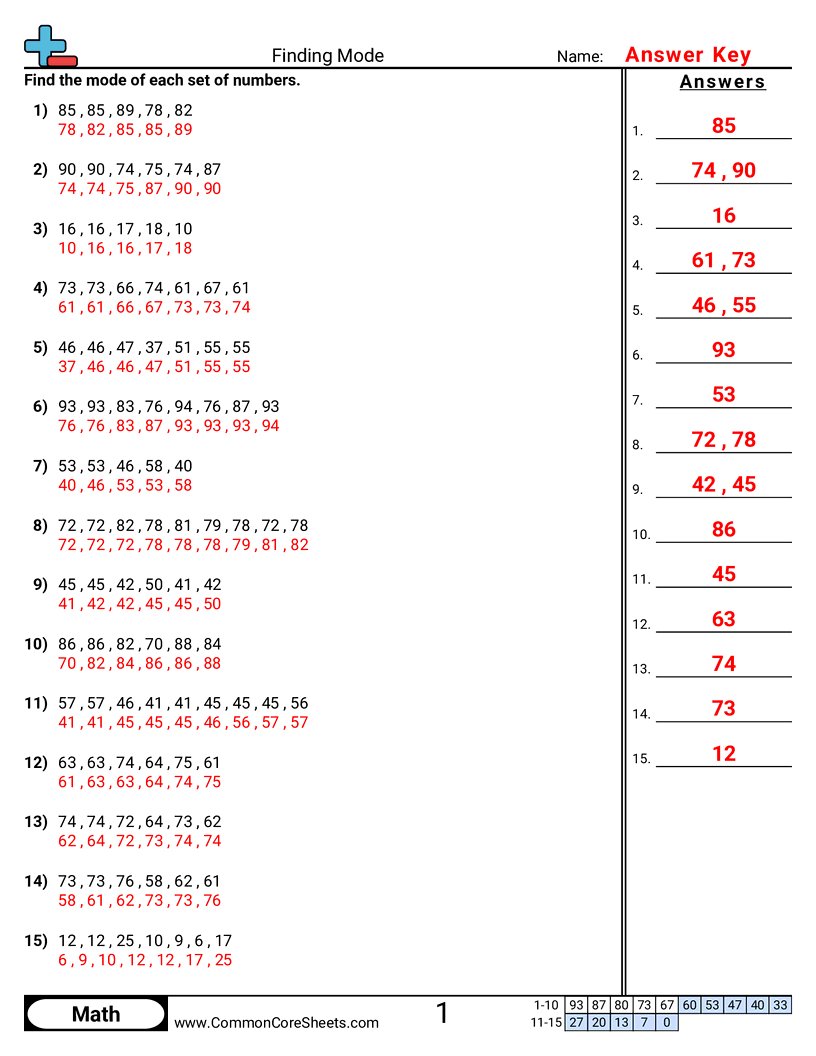
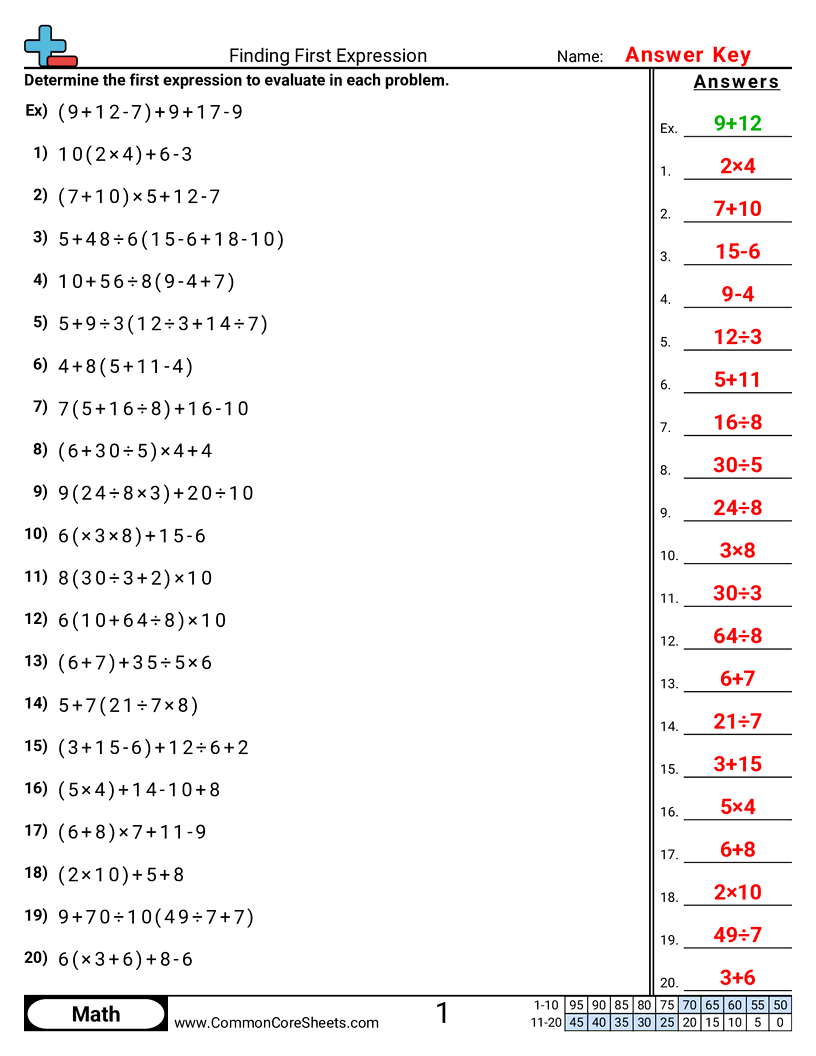
Exponents & Order of Operations
Evaluate powers and expressions using the order of operations.
+8+9 more worksheets →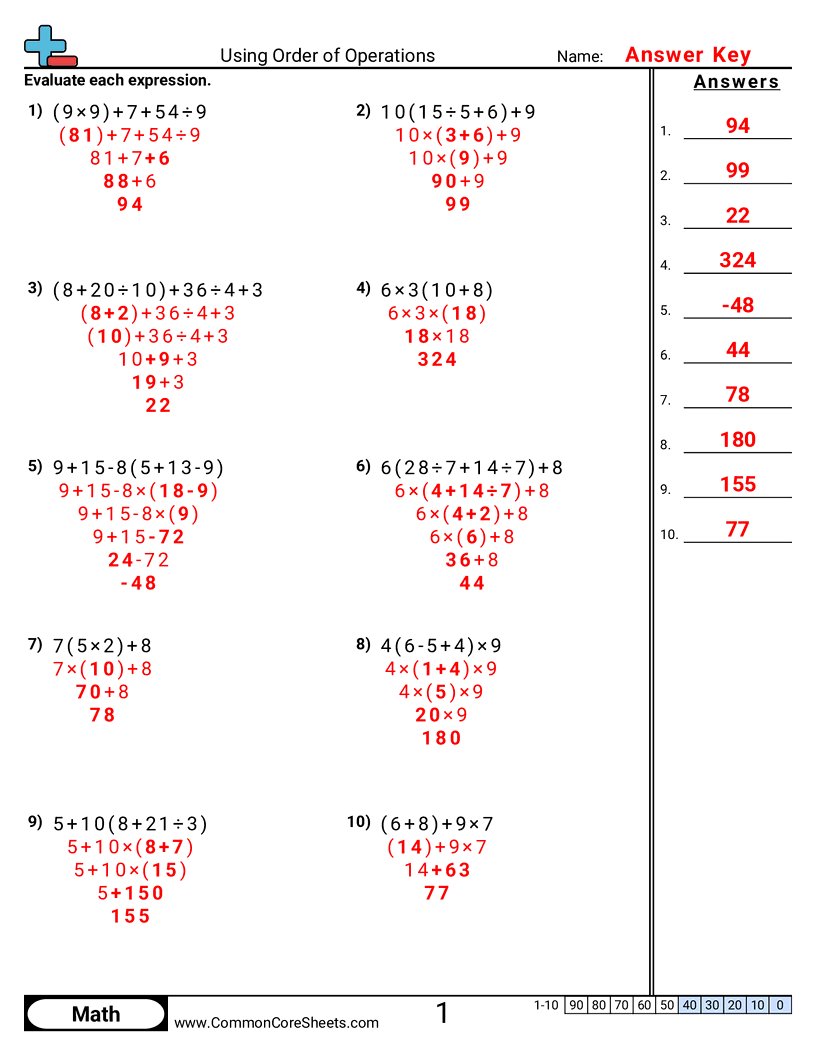

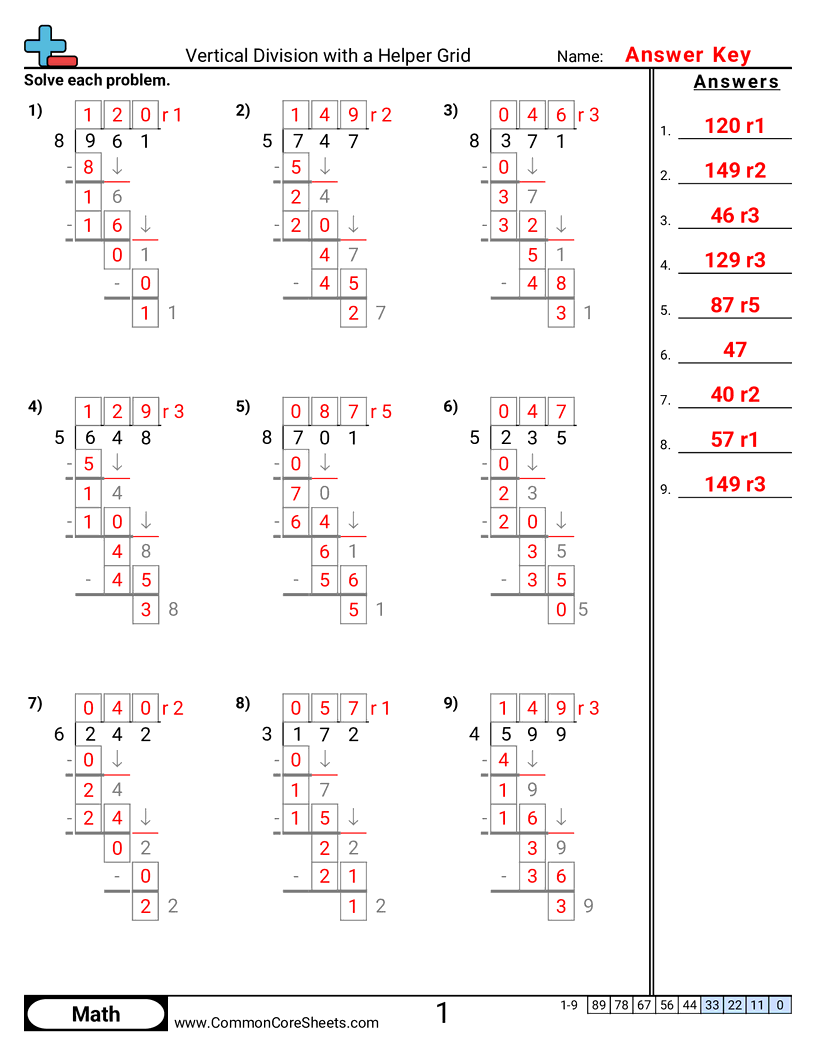
Long Division & Decimal Operations
Divide multi-digit numbers and add, subtract, multiply and divide decimals.
+6+7 more worksheets →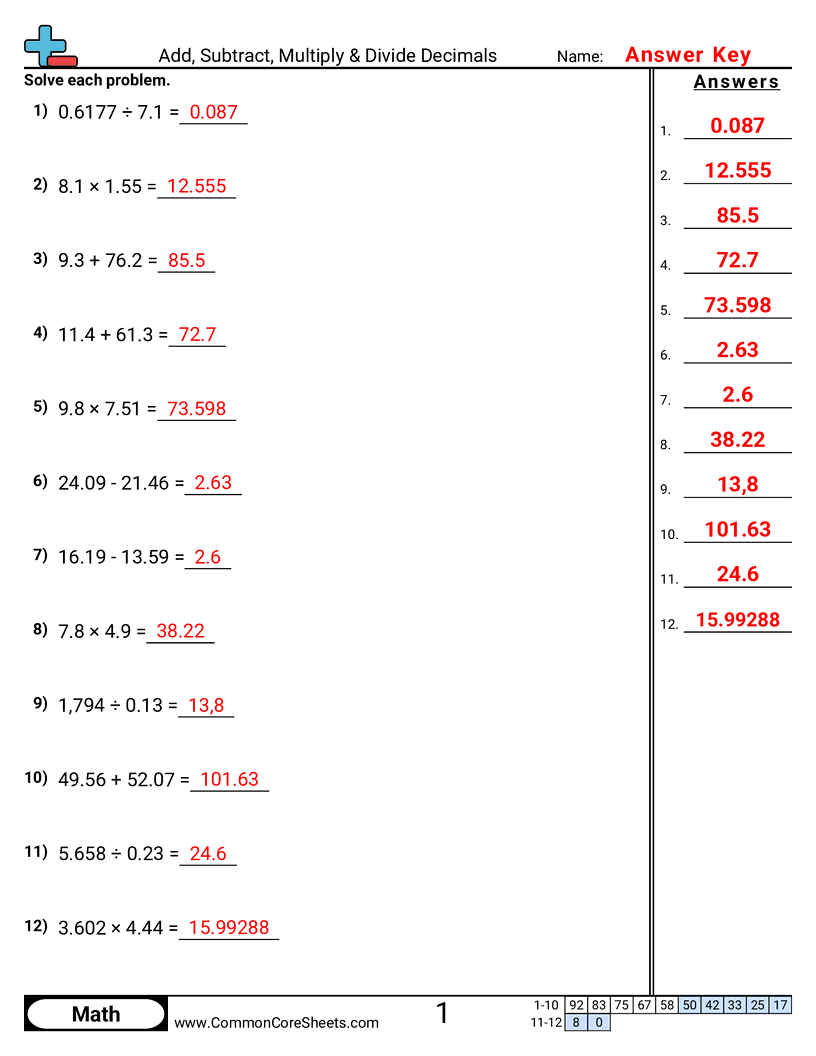
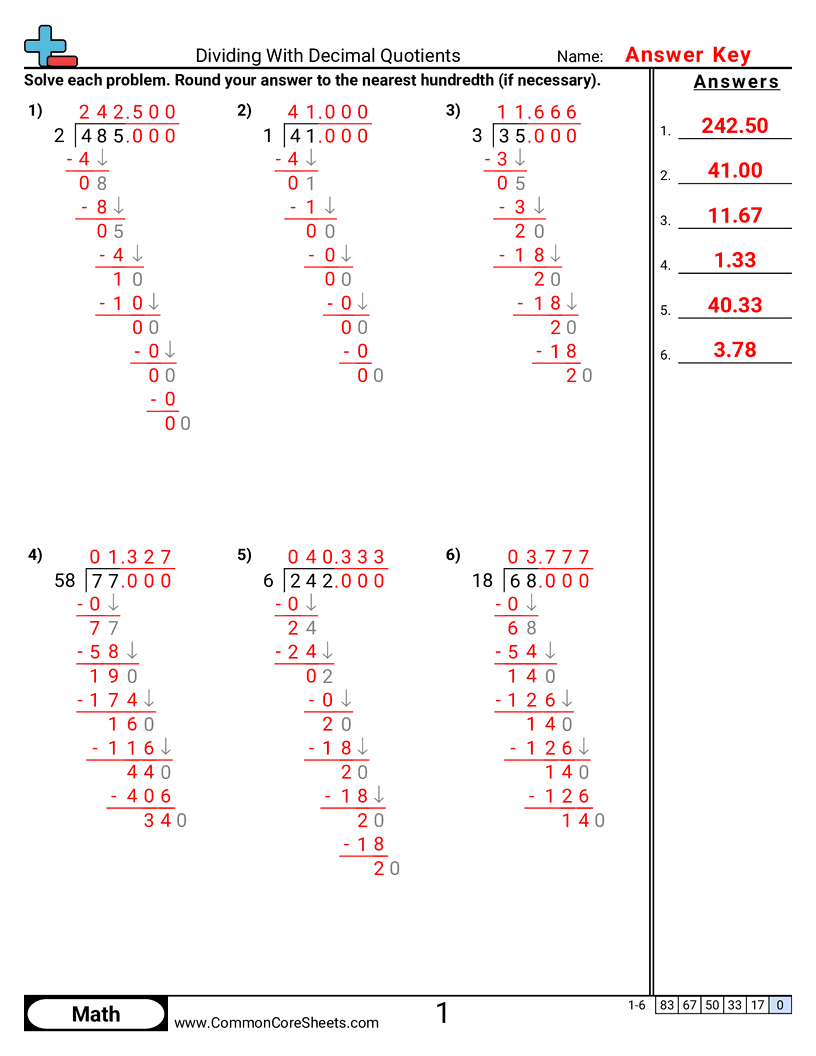
Area of Triangles & Polygons
Find the area of triangles, parallelograms and composite shapes.
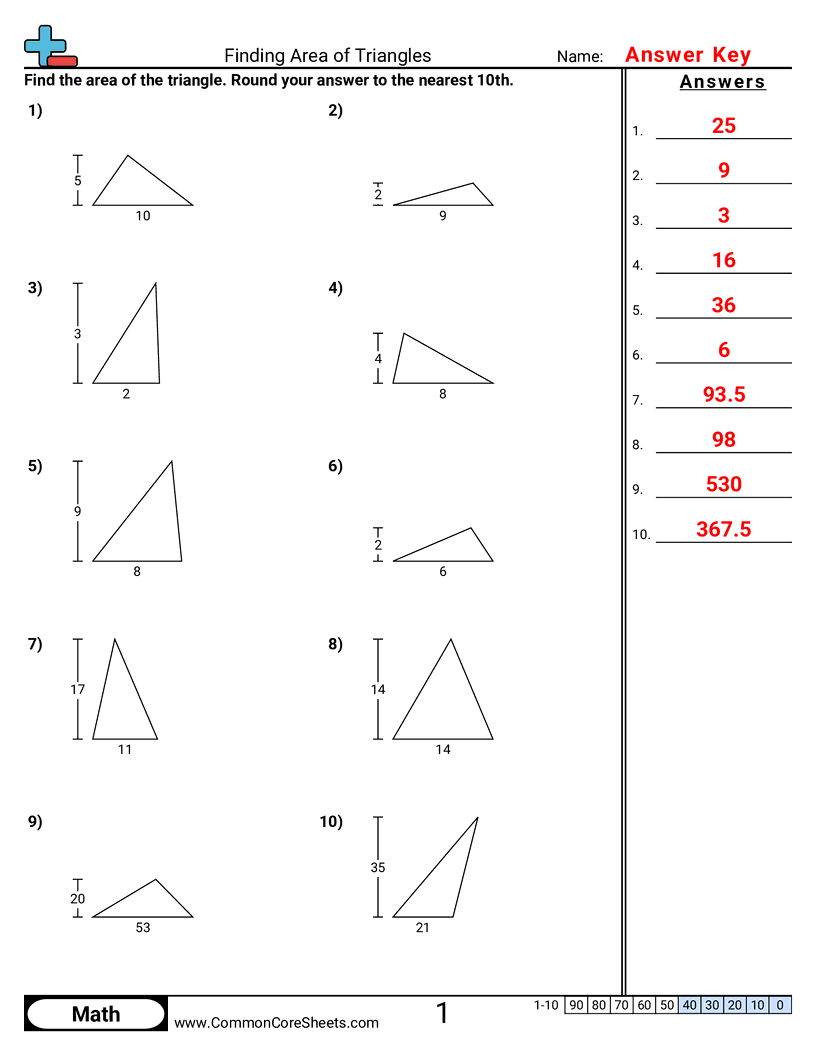 Area of Triangles (base and height)
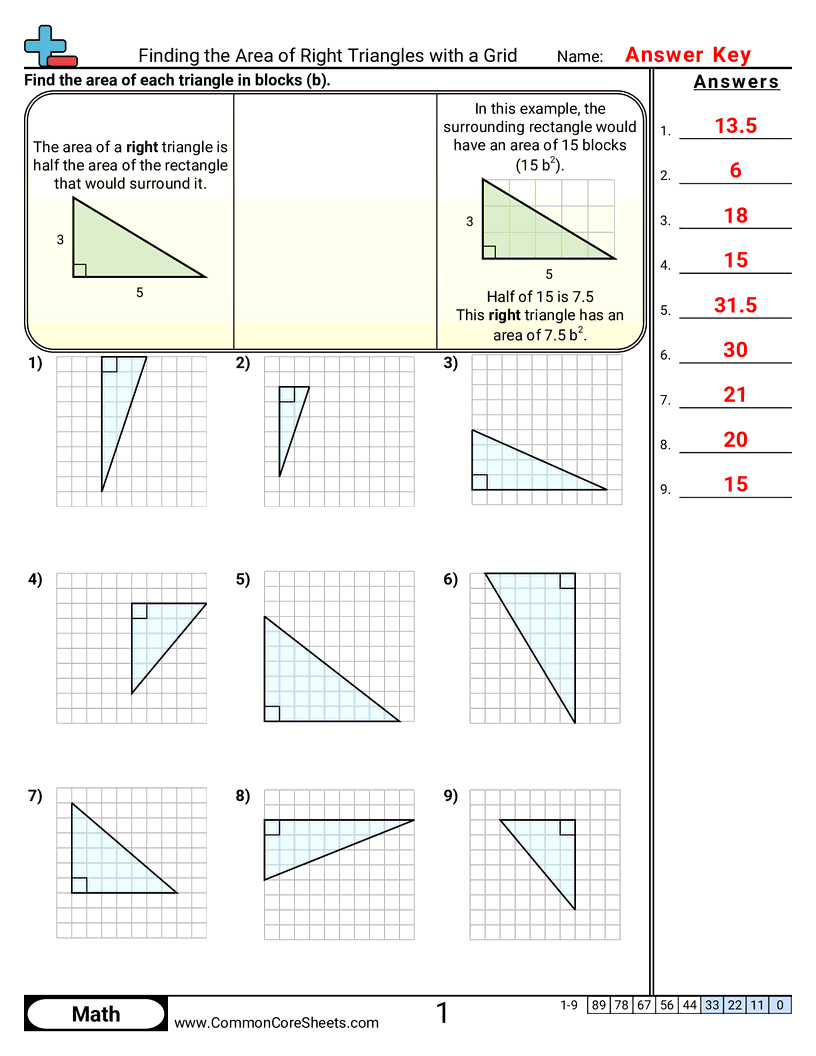 Finding the Area of Right Triangles with a Grid
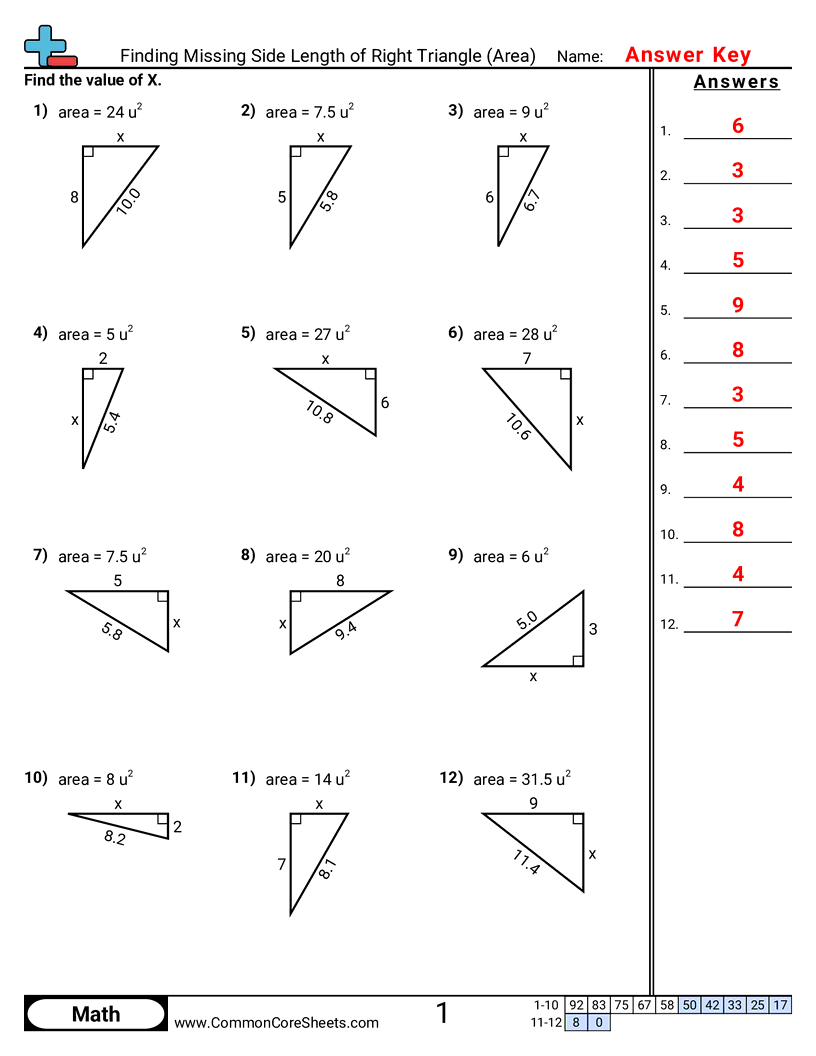 Finding Missing Side Length of Rectangle with Decimals
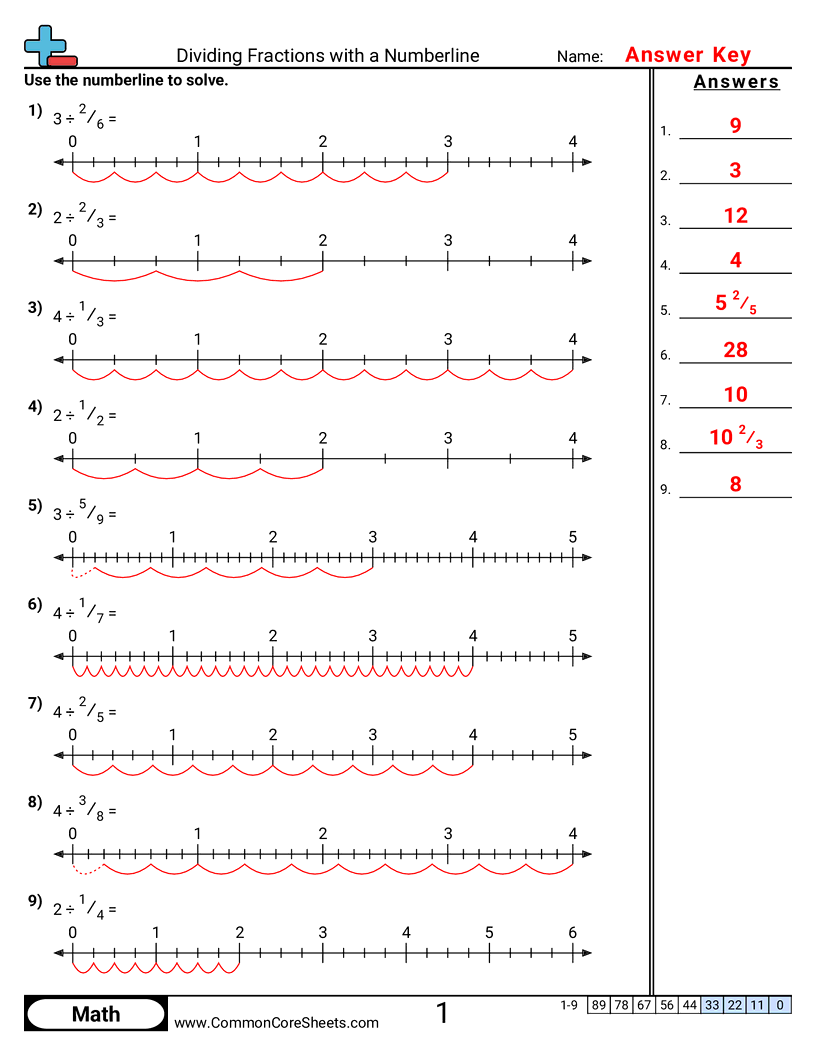
Dividing Fractions
Divide fractions and mixed numbers, with models and word problems.
+3+4 more worksheets →

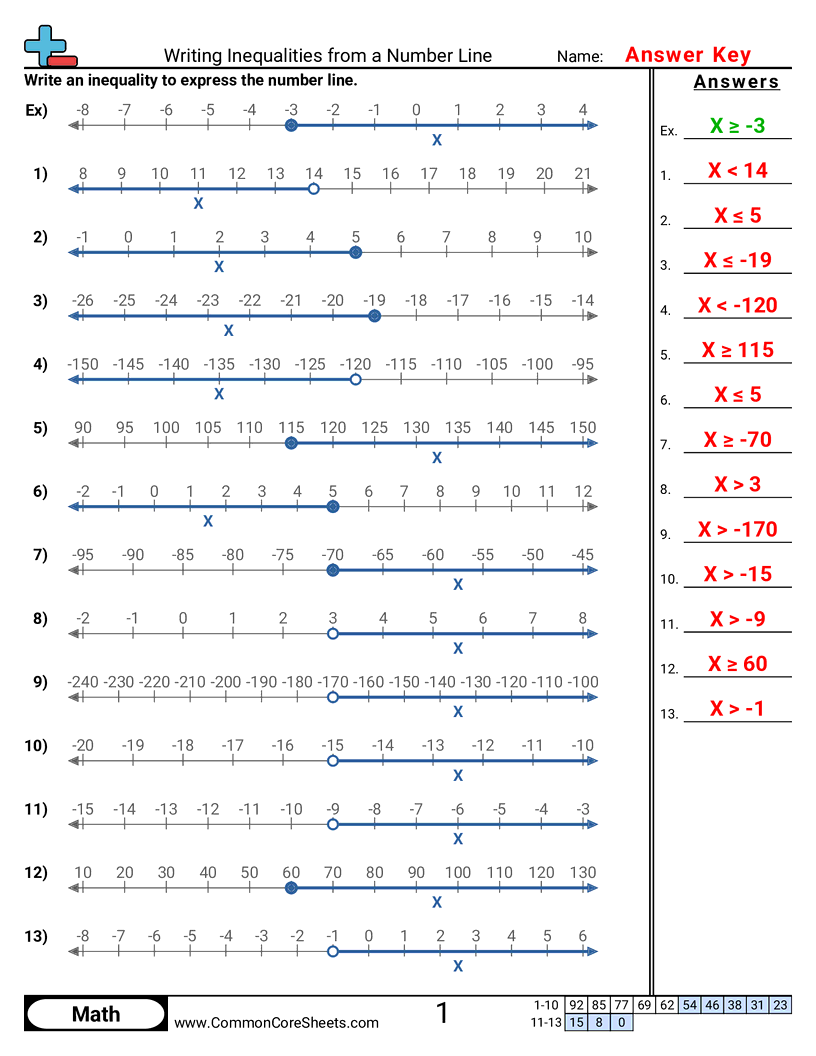
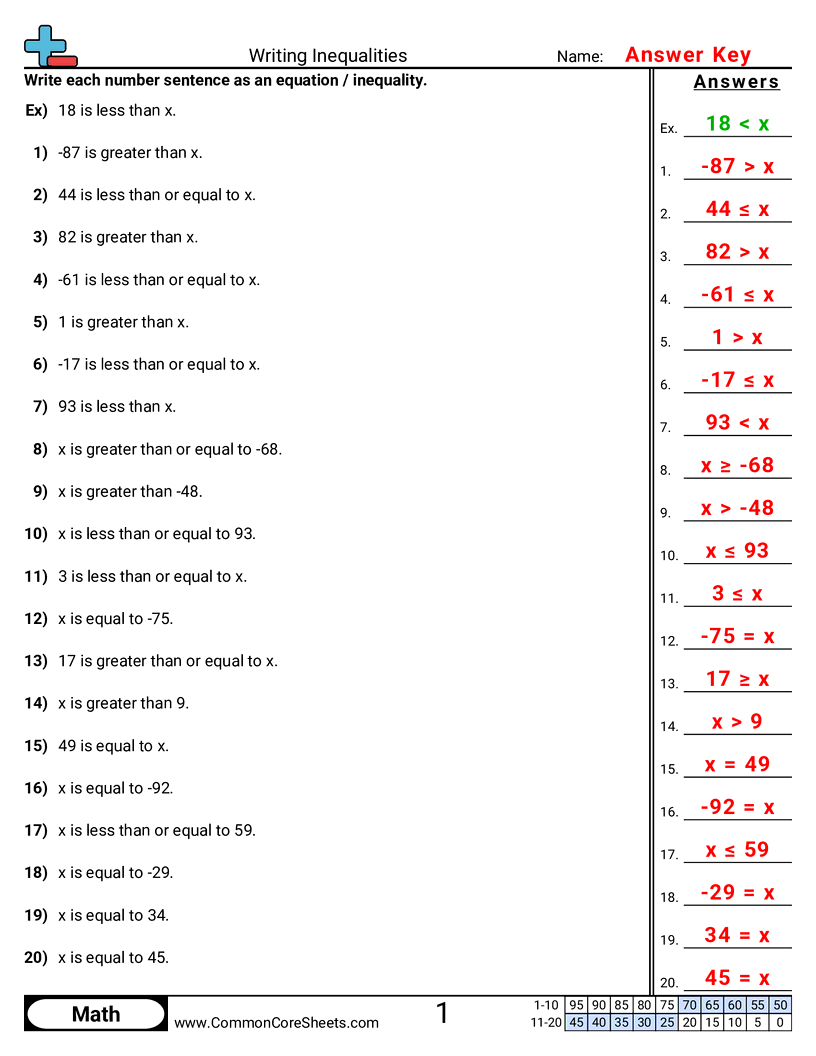
Inequalities
Write inequalities from word problems and graph them on number lines.
+3+4 more worksheets →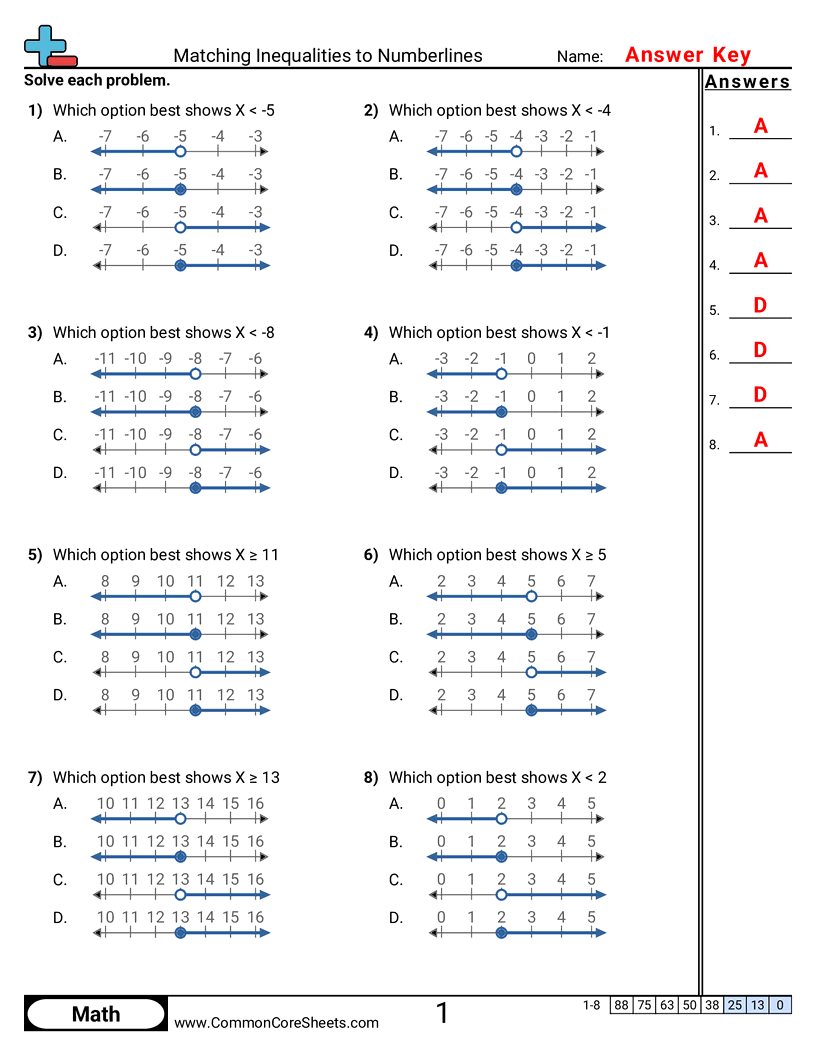
Histograms & Box Plots
Make and read histograms, box plots and dot plots.
+3+4 more worksheets →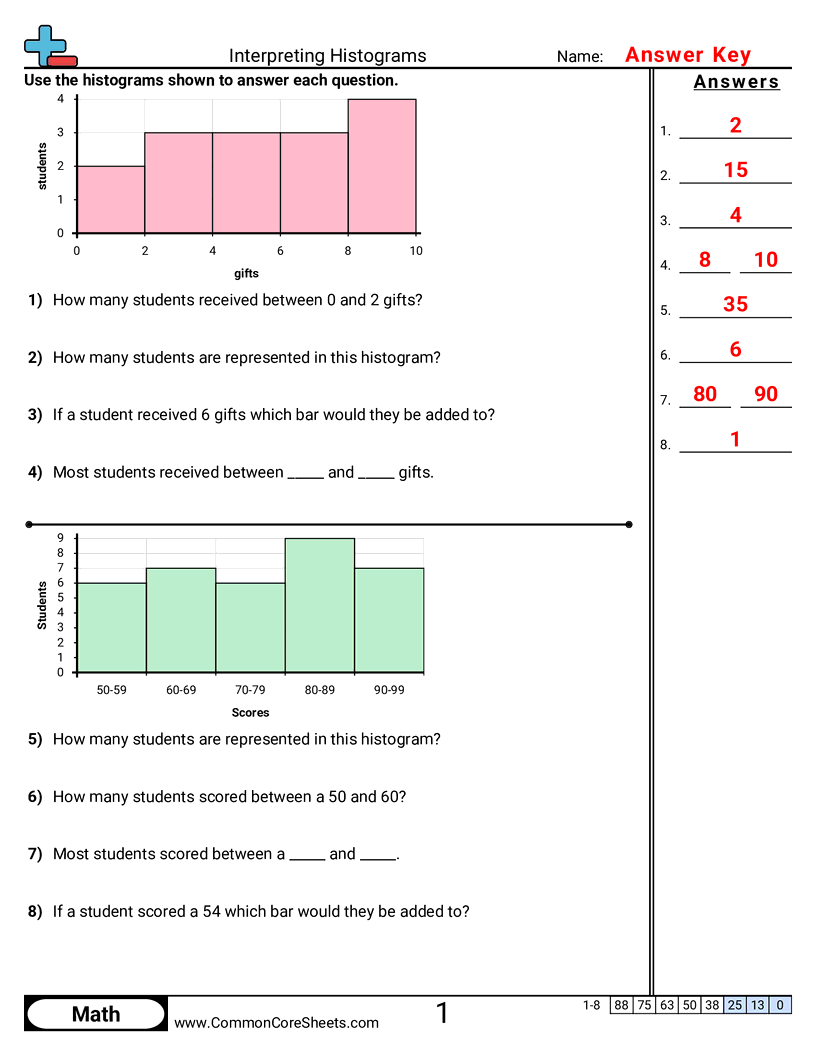


GCF & LCM
Find greatest common factors and least common multiples and factor sums.
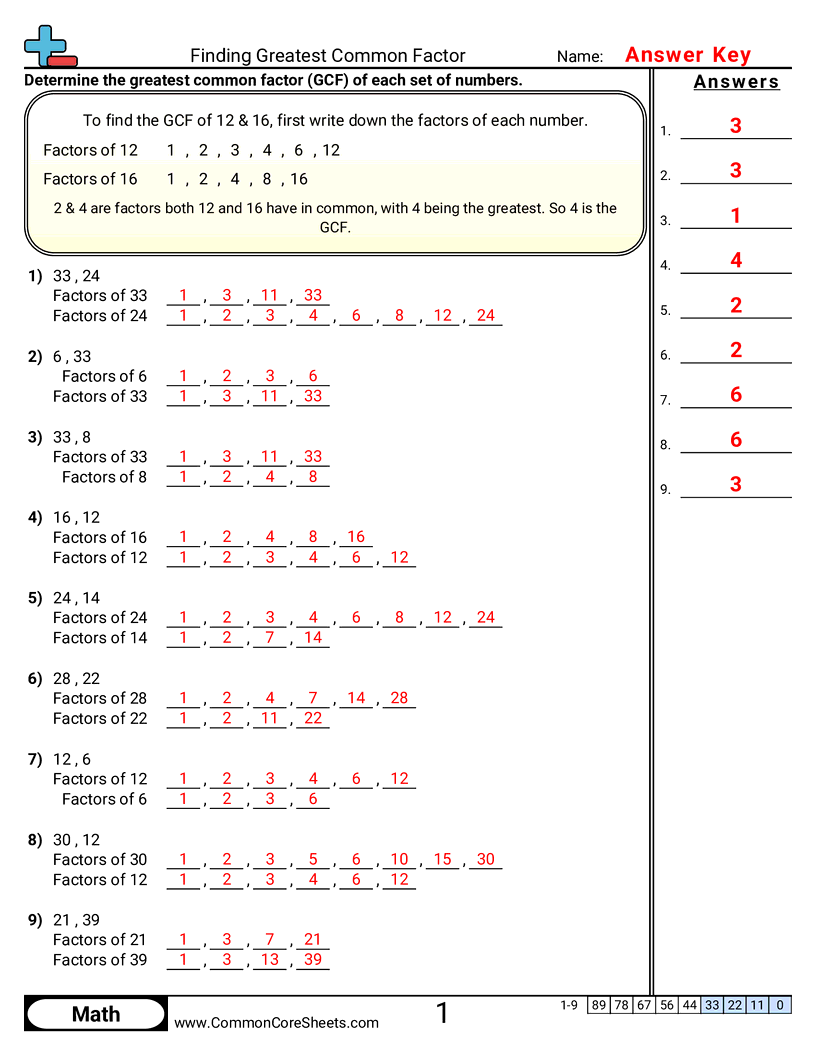 Identifying Greatest Common Factor (With Help)
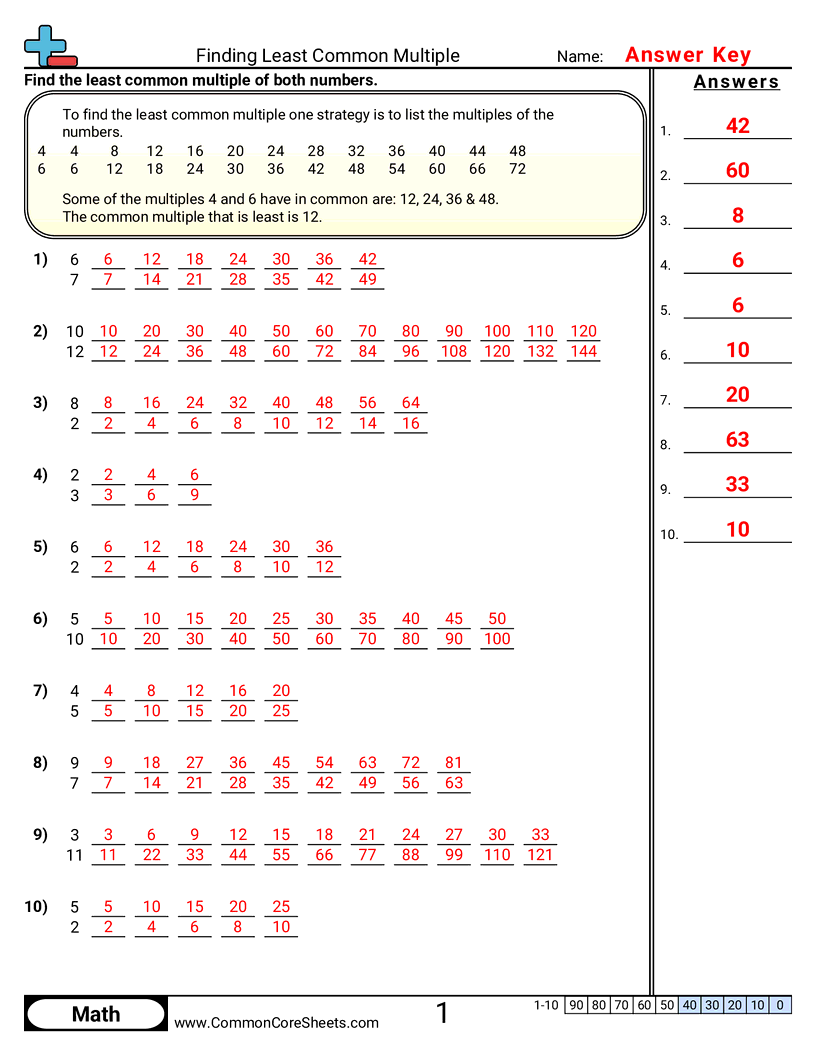 Finding LCM
 Rewriting Expressions as Multiples of a Sum
One-Step Equations
Solve one-step equations, test values, and write rules from tables.
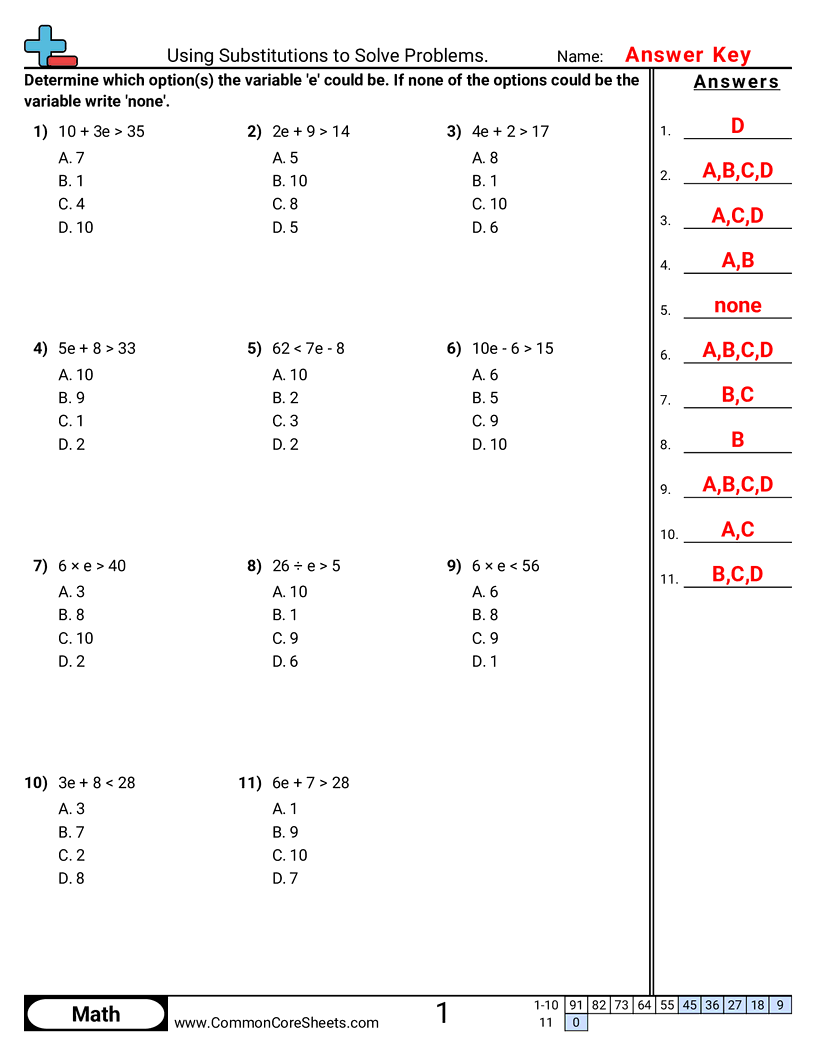 Using Substitution to Solve Problems
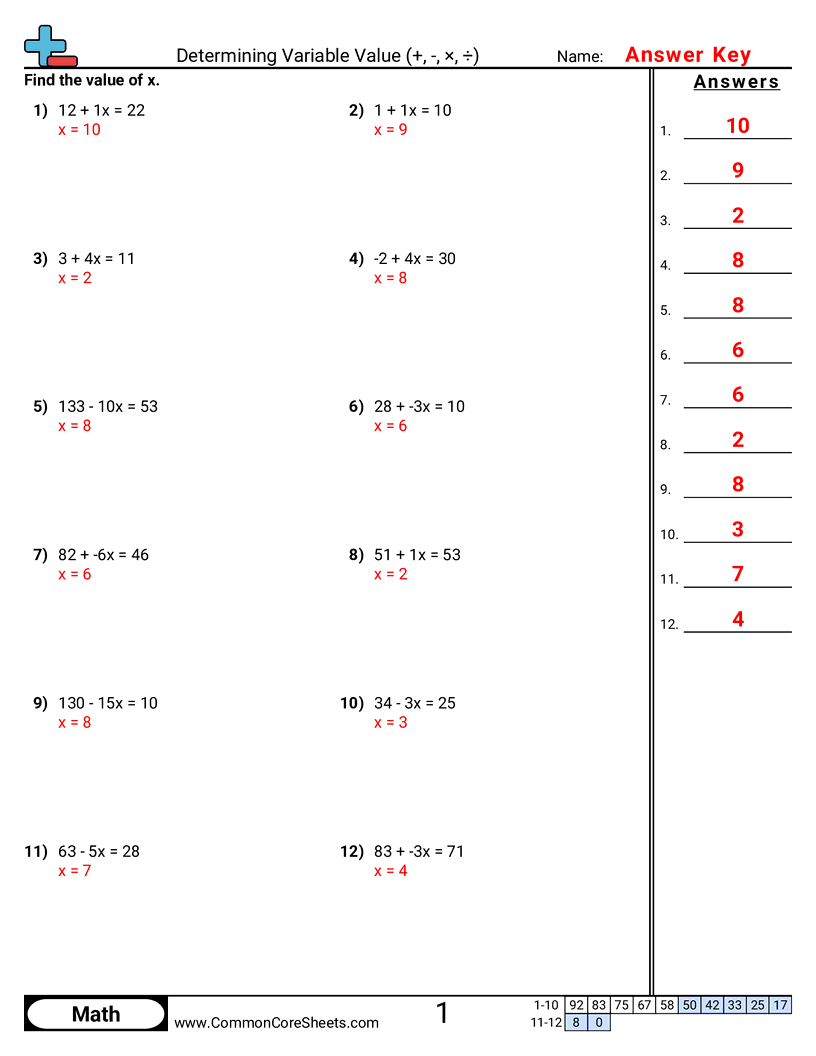 Determining Variable Value (+, -, ×, ÷)
 Determining Variable Value to Balance Equations
Writing & Simplifying Expressions
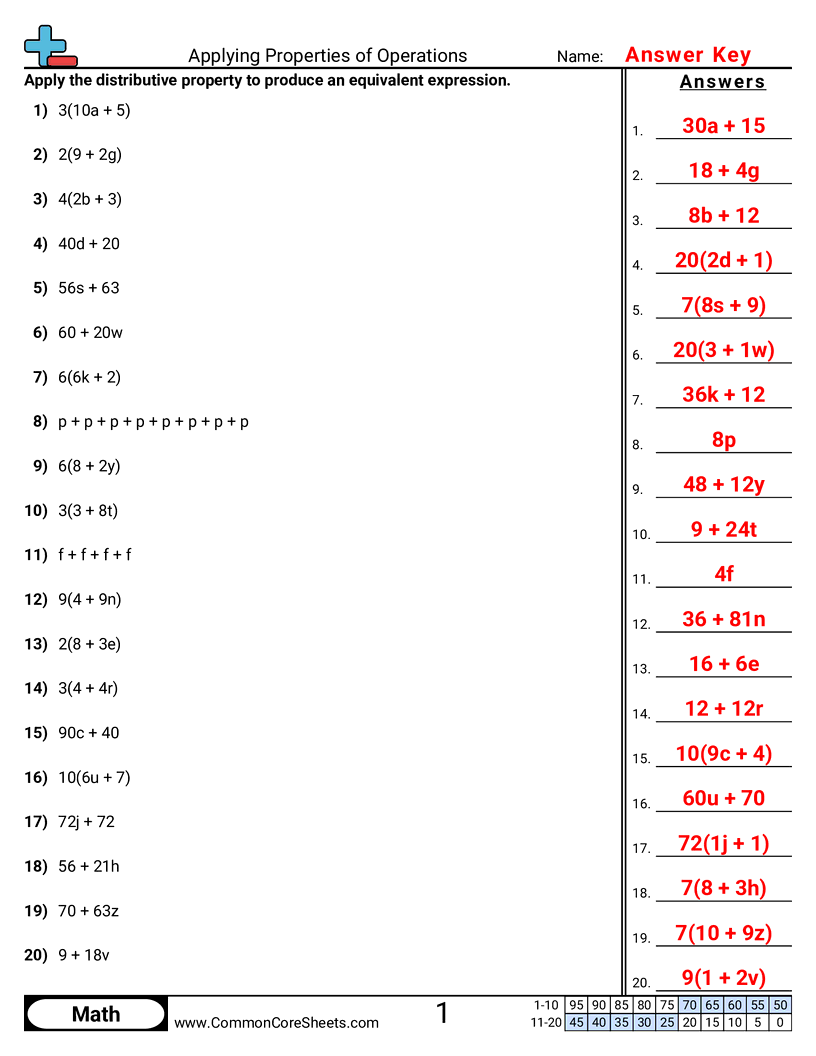
Write expressions from words and use the distributive property to make equivalent ones.
+10+11 more worksheets →

Volume & Surface Area
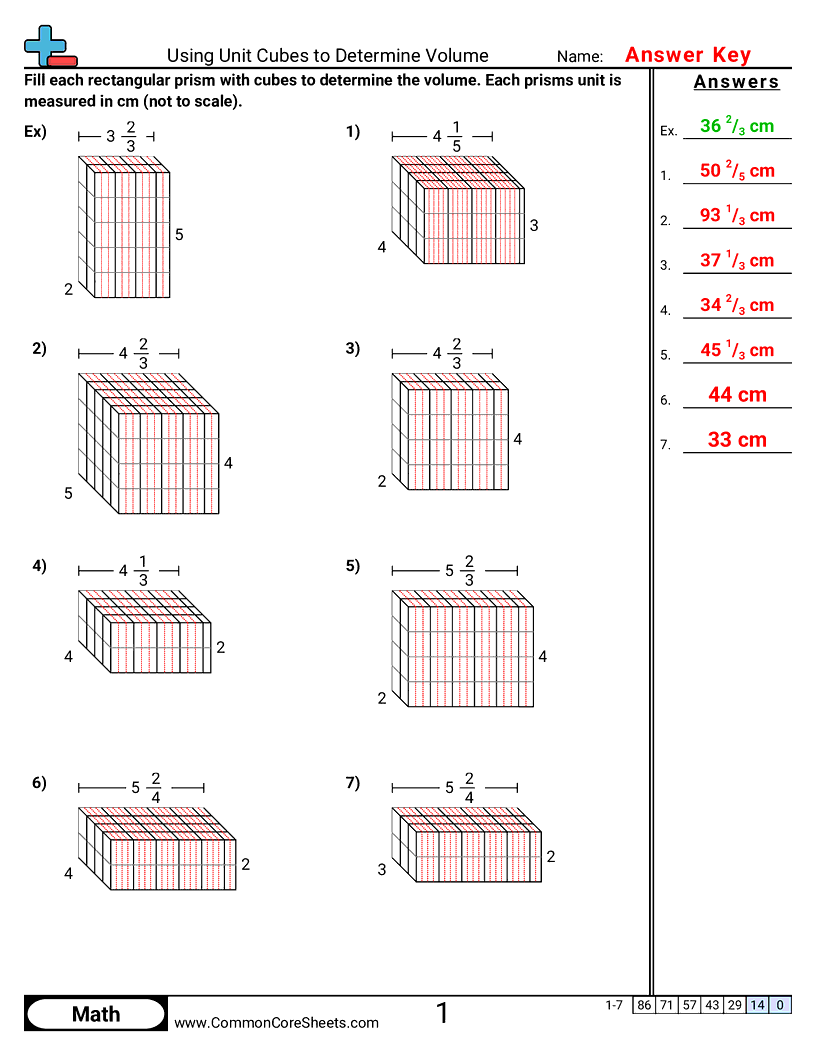
Find volume with fractional edges, match nets to solids, and find surface area.
+6+7 more worksheets →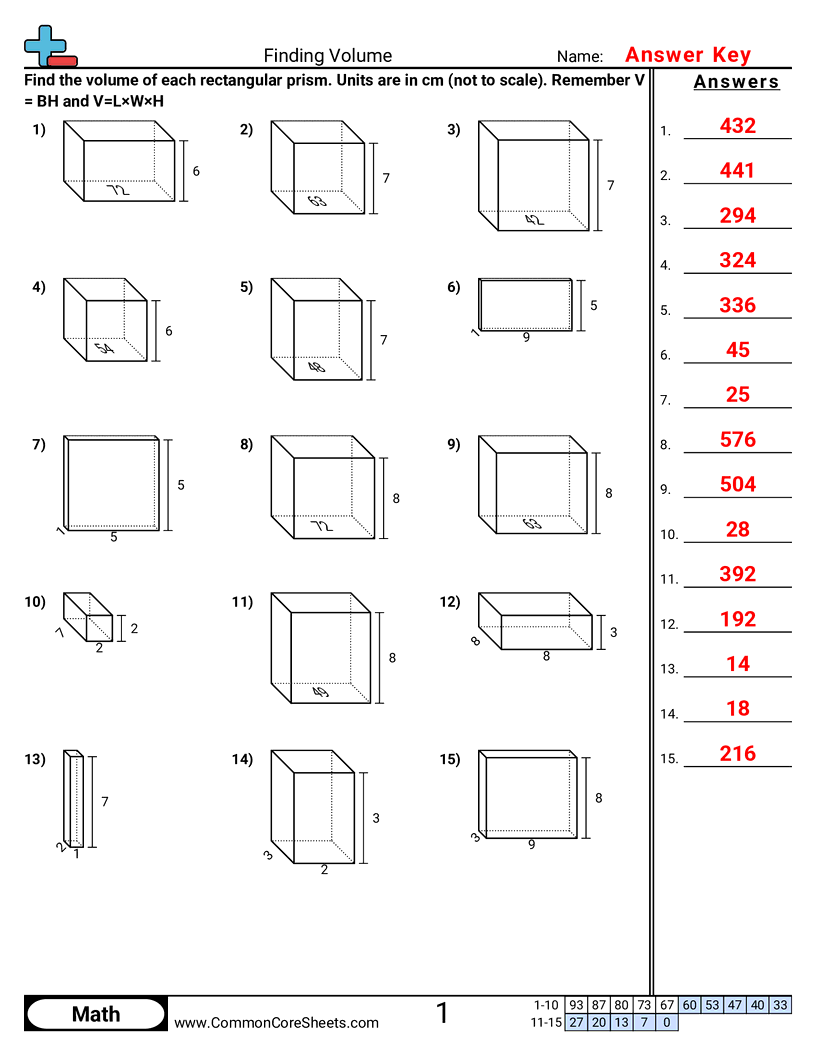

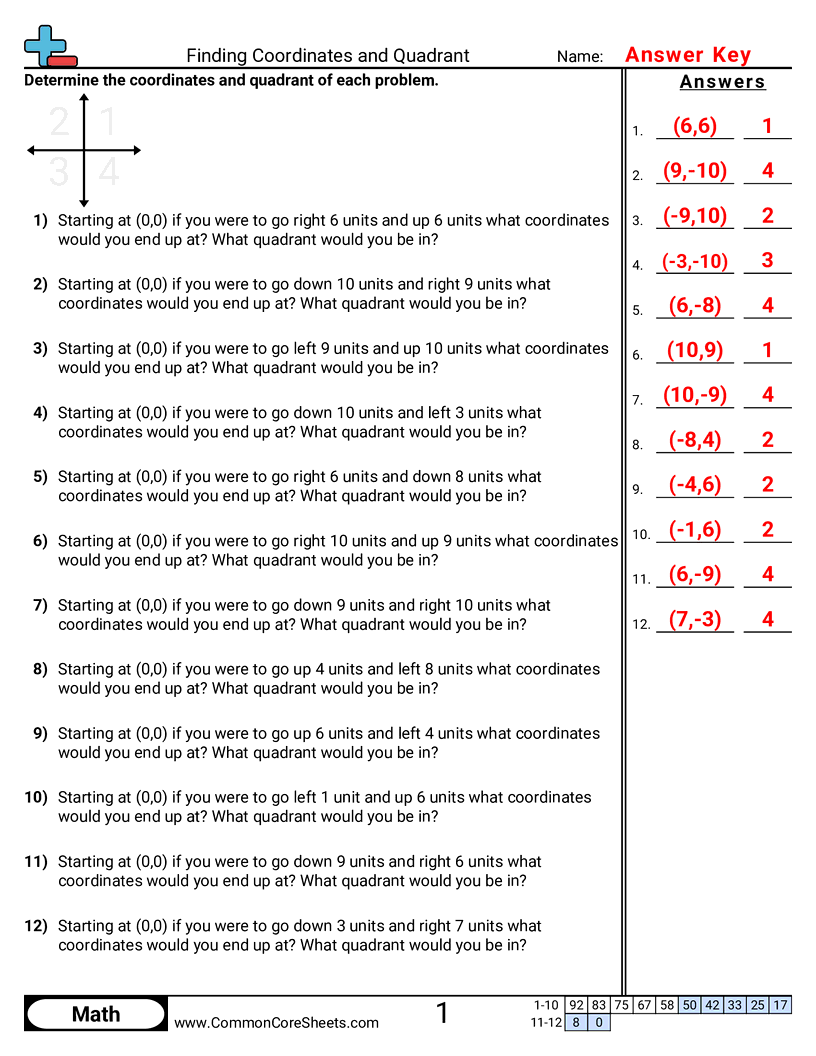
Coordinate Plane
Plot points in all four quadrants, reflect them, and find distances between them.
+6+7 more worksheets →