4nbt6×Description:
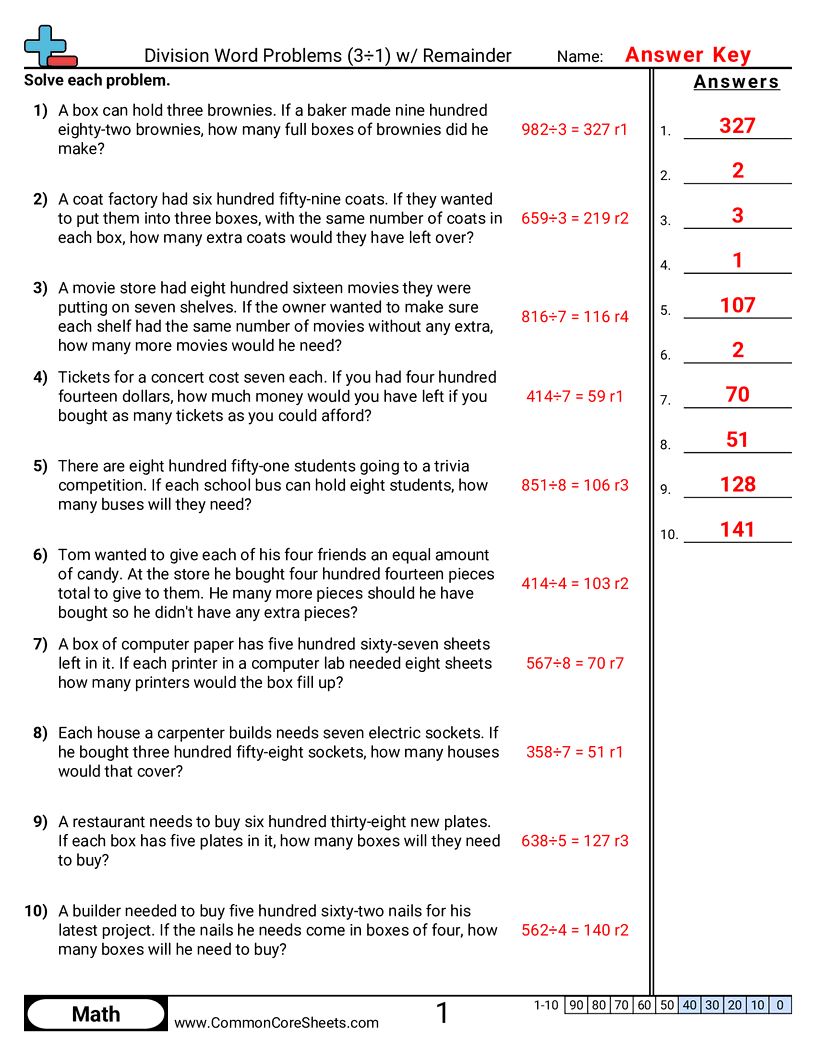
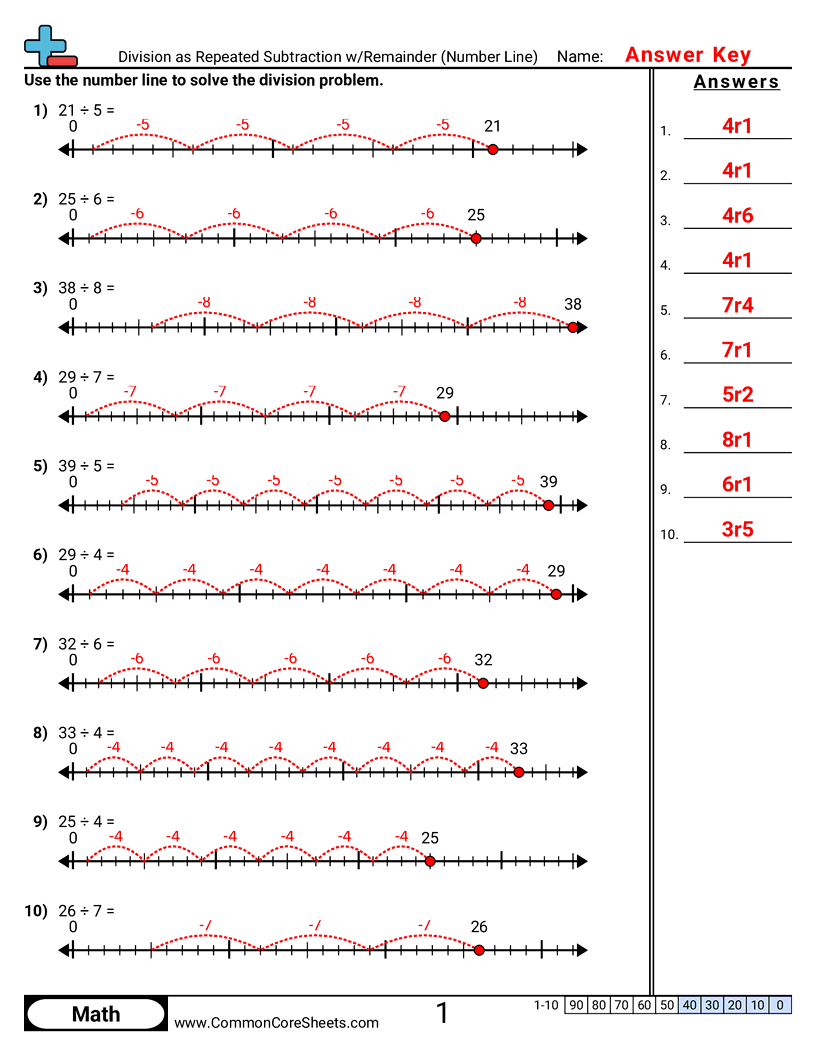
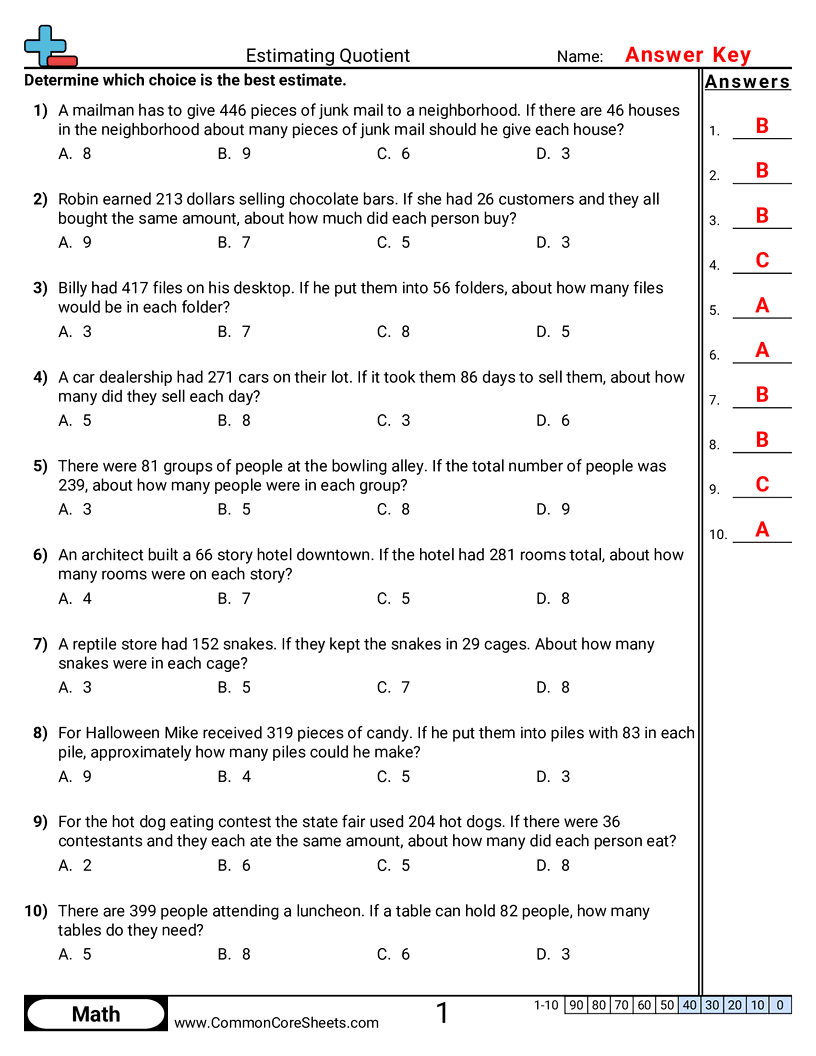
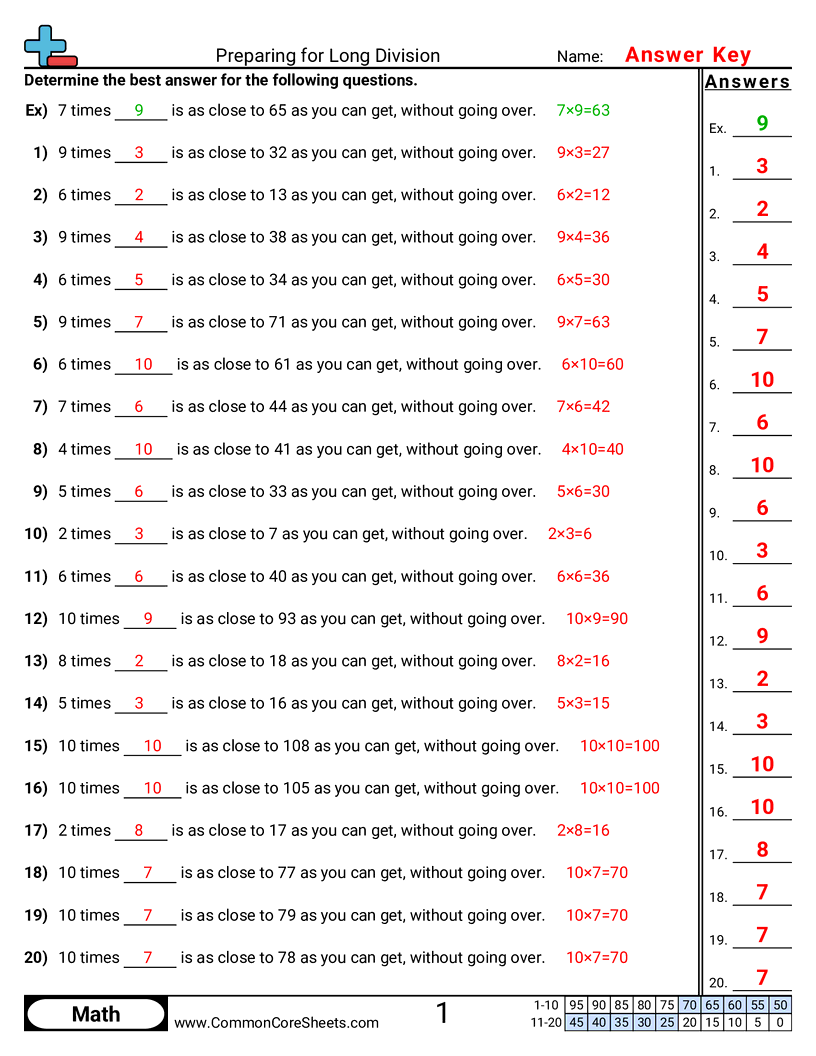
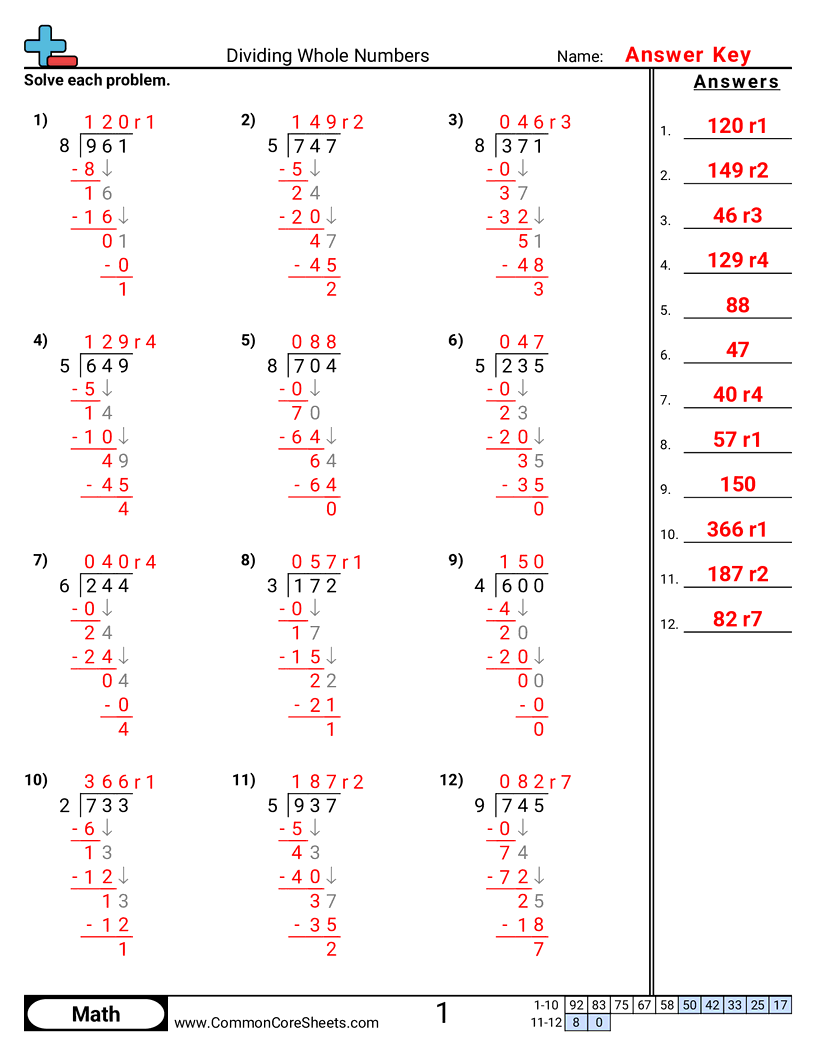
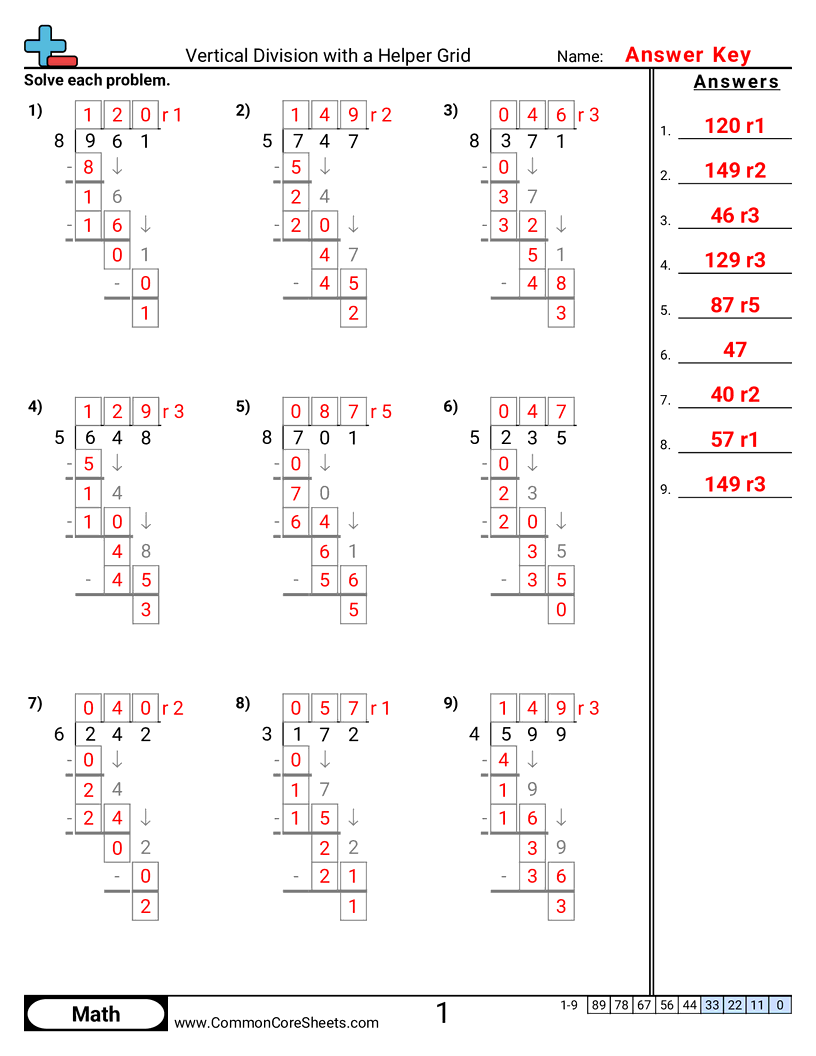
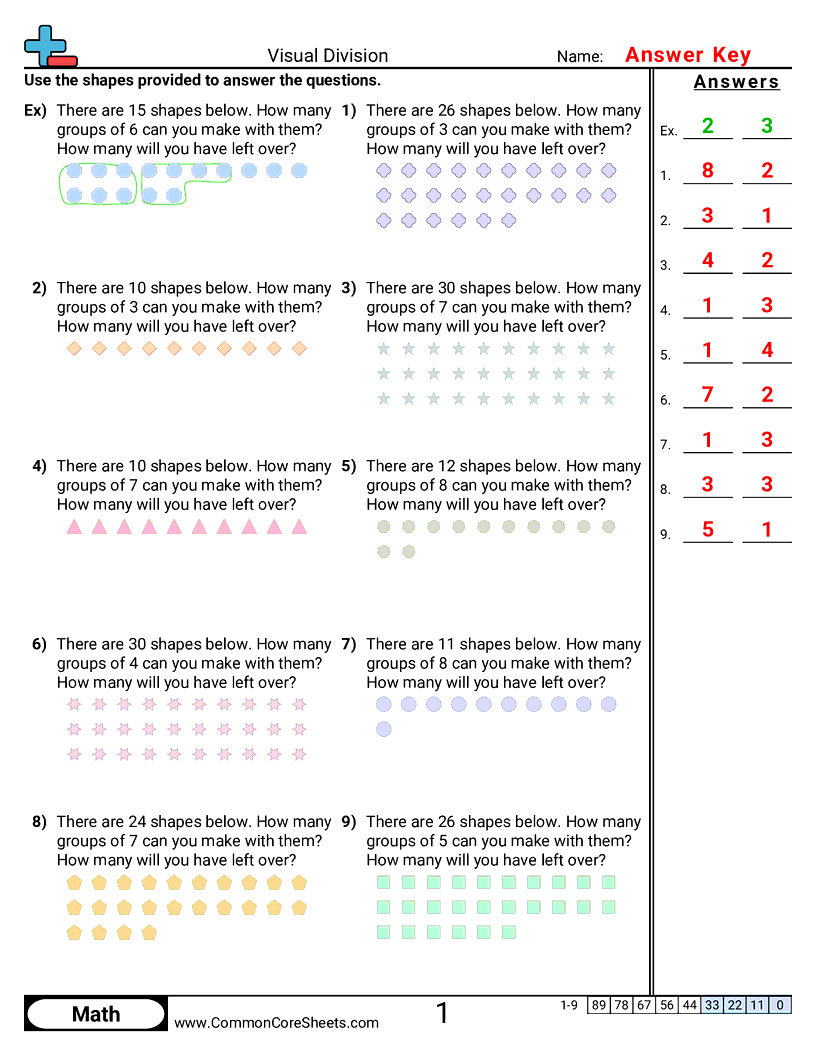
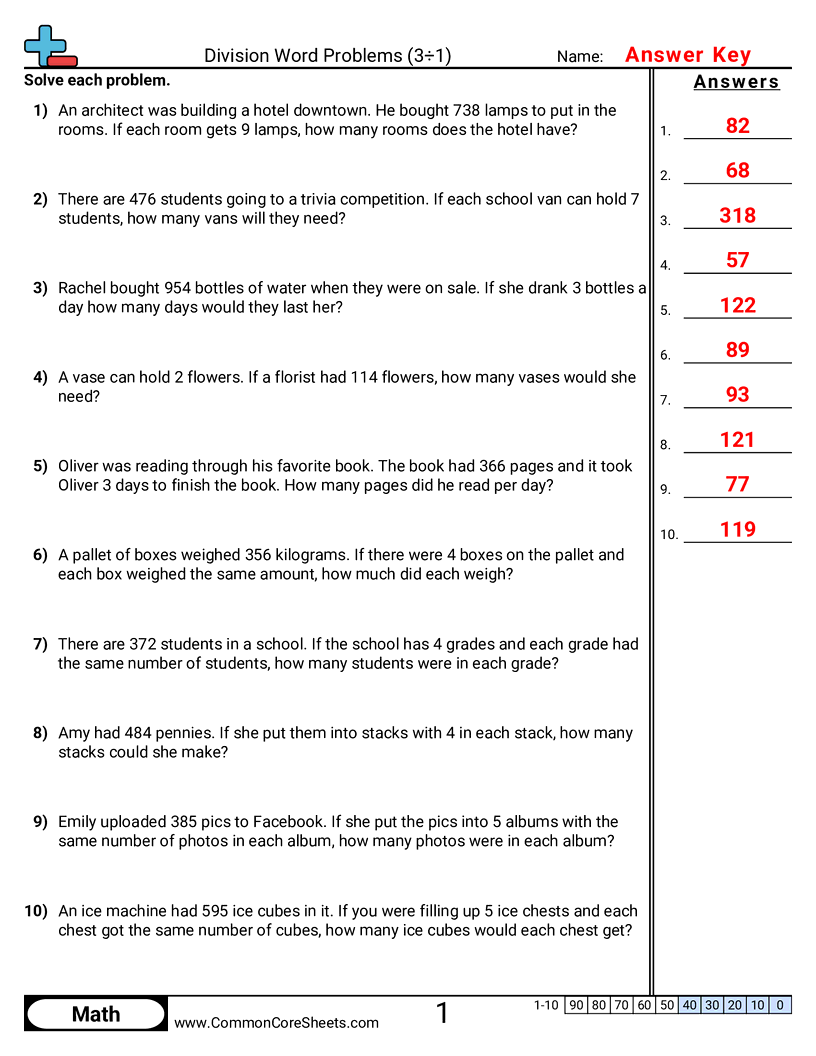
"This worksheet is designed to engage children in the subject of math, specifically division with remainders. It contains 10 practical word problems with real-life applications to help children understand the concept of division while inviting them to solve problems involving popcorn buckets, pennies, and fair tickets. This versatile worksheet can be effortlessly customized to suit individual needs, converted into flashcards for targeted practice, or utilized efficiently for distance learning."
×Student Goals: Division Mastery SkillsUpon the completion of this worksheet, students should have achieved mastery in dividing larger numbers and handling remainders in real-world contexts. These problem scenarios require using division operations with a deeper understanding of the remainder. They should be equipped to divide numbers that result in a quotient and a remainder, allowing them to handle any division situation correctly and confidently.Enhanced Problem-Solving AbilitiesThrough tackling division problems in diverse real-world scenarios, students develop their problem-solving skill set. Solving word problems necessitates reading comprehension, interpreting context, connecting mathematical operations to concrete scenarios, and picking the appropriate operation, thereby honing their strategic thinking and logical reasoning abilities.Mathematical Reasoning and CommunicationThis worksheet would also have facilitated the development of mathematical reasoning and communication. By engaging with the problems, students learn to systematically interpret and solve equations, then articulate their procedure and the rationale behind it. This ability to articulate their thought process is a crucial aspect of mathematical learning and communication.Understanding of Real-World Math ApplicationsAfter completion, students should have a greater appreciation for the real-world applications of mathematics. The worksheet's problems touch on various life aspects, like shopping, gaming, cooking, and more. This linkage between math and daily life situations allows students to see the relevance of learning mathematical operations like division in the context of their personal lives.Improved Computational FluencyWorking through these division problems will also lead to an improvement in students’ computational fluency. They should be able to perform arithmetic operations with speed and accuracy, and understand the concepts underlying these operations. This fluency lays the foundation for problem-solving using more complex and advanced mathematical concepts.